Chevron Parquet Flooring: Precision V-Shape Patterns for Luxury Spaces

Get a Free Quote

Our representative will contact you soon.
Email
Mobile/WhatsApp
Name
Company Name
Message
0/1000

Andiwilson Chevron Parquet Flooring for Continuous V-Shaped Patterns

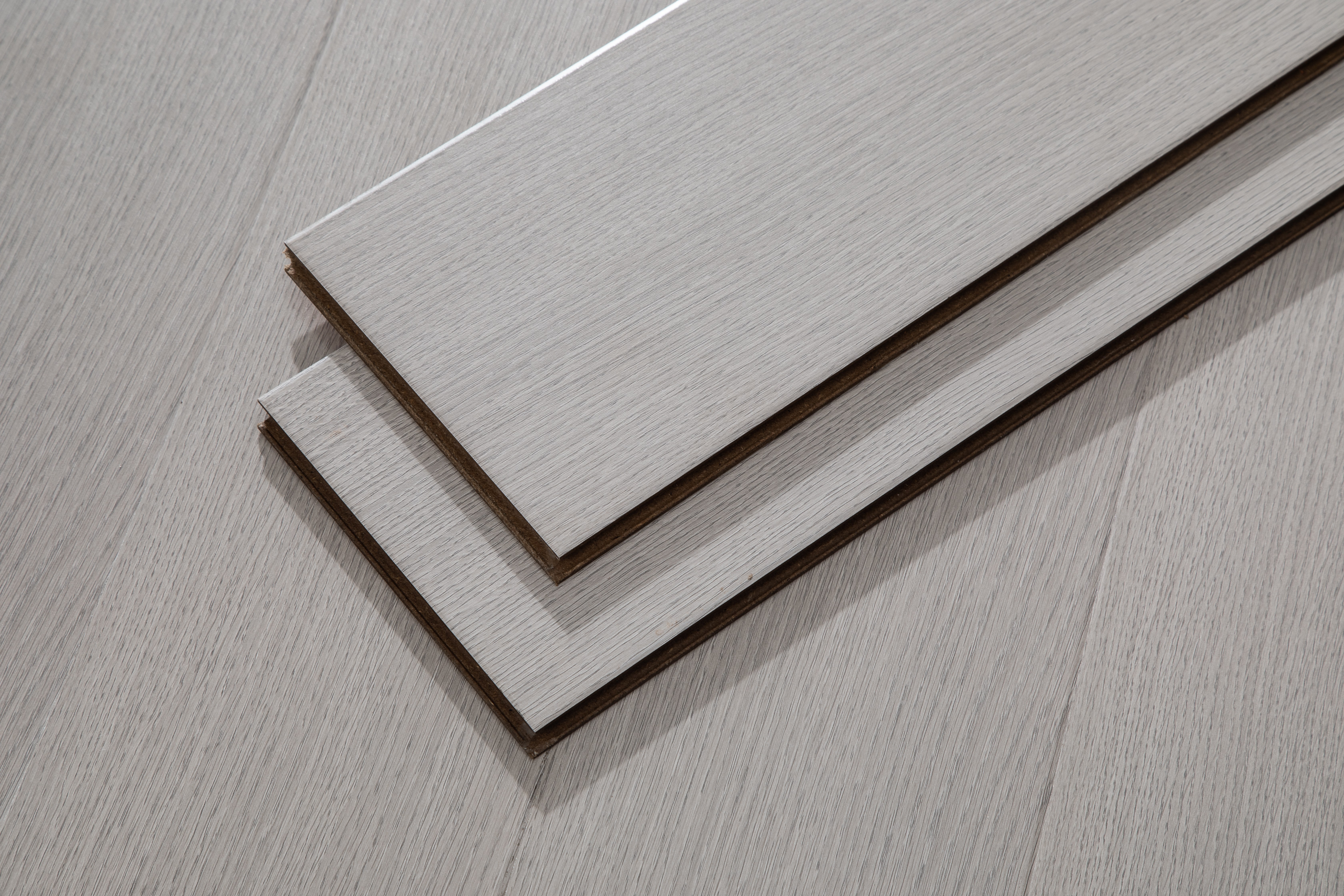
Chevron parquet is cut with angled ends so planks meet in a continuous V-shaped line, unlike herringbone where rectangular ends interlock. The pattern needs precise angle cutting and a carefully set centre line, because errors show along the full run. Andiwilson reviews species, plank width, angle tolerance, backing and finish before specification. Illustrative projects include boutique hotels, art galleries and high-end apartments. Dry-lay samples help check point alignment and shade variation. Cutting waste can be higher than straight lays, so extra material is discussed early. Suitability should be confirmed against current technical documents and installation guidance.
Get A Quote

Case Study

Boutique Hotel Corridor with French Oak Chevron

An illustrative boutique hotel used 15 mm French oak chevron parquet across a 90 m corridor. Planks were cut at 45 degrees and dry-laid to check the centre line against door openings. A matte hardwax oil was chosen to reduce glare from wall lights. The contractor allowed extra bundles for angled cuts at thresholds. Housekeeping agreed dry mopping and prompt spill wiping. Two spare bundles were stored. The brief focused on continuous point alignment, shade blending and corridor maintenance, with suitability checked against current technical documents and installation guidance.

Art Gallery with Walnut Chevron and Shadow Gap

An illustrative gallery used 18 mm walnut chevron parquet across 65 m², with a shadow gap at the perimeter walls. The pattern was set out from a central axis so the V-points aligned with the entrance. Boards were acclimatised and dry-laid to check angle accuracy and shade before glue-down over concrete with a vapour barrier. A matte oil finish reduced reflections near artwork. The curator agreed dry mopping and periodic oil inspection. Two spare bundles were retained. The brief addressed point alignment, shade variation and reflection control.

High-End Apartment with Smoked Oak Chevron and Underfloor Heating

An illustrative apartment used 15 mm smoked oak chevron parquet across 52 m² over a low-temperature underfloor heating system. Heating was commissioned gradually before installation. Planks were acclimatised, and a dry-lay checked centre-line alignment in the living and dining zone. The engineered backing improved stability. A matte lacquer was chosen for easier cleaning. The owner agreed dry mopping and felt pads. Two spare bundles were stored. The brief focused on heating compatibility, point alignment and maintenance, with suitability checked against current documents.

Related products

Chevron parquet flooring is made from planks cut at an angle at both ends, so they meet in a continuous V-shaped line. This differs from herringbone, where rectangular ends interlock in a zigzag. The angled cut demands precise machining and a carefully set centre line, because misalignment shows along the whole run. Andiwilson supports projects by reviewing species, plank width, angle tolerance, backing, thickness and finish before order. Illustrative specifications use 15–18 mm planks, 90–150 mm wide, in oak or walnut. Installation may be glue-down, secret-nail or floating for engineered formats, with a dry-lay to check point alignment and shade. Cutting waste is often higher than straight lays because of the angled ends, so extra material is discussed early. Subfloor flatness and moisture are checked before fitting. Andiwilson provides care notes covering dry mopping, neutral cleaner and periodic finish inspection. Performance depends on machining accuracy, site conditions and maintenance, so project teams should confirm current technical documents and installation guidance before ordering.
Frequently Asked Questions

How does chevron parquet differ from herringbone?

Chevron planks are cut at an angle at both ends and meet in a continuous V-line. Herringbone uses rectangular planks that interlock in a zigzag. Chevron needs precise angle cutting and a set centre line. Andiwilson advises checking machining accuracy and current technical documents before specification.
Chevron often needs more cutting than straight lays because of the angled ends and centre-line set-out. A common allowance is around 10–15% extra, but it depends on room shape and layout. Andiwilson advises agreeing a cutting plan and confirming current guidance before ordering.
Some engineered chevron products suit low-temperature underfloor heating when confirmed by the manufacturer. Heating should be commissioned gradually, and surface limits checked. Andiwilson advises reviewing backing, thickness and current documents before specification, because not every chevron product is suitable.
The centre line is usually set from a focal wall, entrance or room axis, then checked with a dry-lay before fixing. Point alignment matters across the full run. Andiwilson advises agreeing the set-out with the installer and reviewing a dry-lay sample before work begins, because changes later are costly.
Routine care usually involves dry mopping and occasional damp wiping with a neutral cleaner. Avoid wet mopping and abrasive products. Felt pads and entrance matting help reduce marks. Andiwilson provides care notes, but finishes and cleaning products should be checked against the selected system and current recommendations.

Related article

Quartz Fiber Board for Medical and Commercial Buildings: A New Generation of A-Class Fireproof Decorative Wall Panels

30

Jul

Quartz Fiber Board for Medical and Commercial Buildings: A New Generation of A-Class Fireproof Decorative Wall Panels

View More
Prefabricated Modular Walls Take Another Leap Forward! Integrated Invisible Door Solutions Redefine the Boundaries of Spatial Aesthetics and Practicality

26

Jul

Prefabricated Modular Walls Take Another Leap Forward! Integrated Invisible Door Solutions Redefine the Boundaries of Spatial Aesthetics and Practicality

View More
How Do Exterior Wall Laminated Panels Help Reduce Carbon Footprint in Construction?

12

Oct

How Do Exterior Wall Laminated Panels Help Reduce Carbon Footprint in Construction?

The Carbon Argument Starts With How Little Aluminium Goes Into the Panel A laminated exterior panel is not a thin coat of paint over a solid metal sheet. It is a sandwich. Two thin aluminium skins sit on either side of a core that does most of the di...
View More
How to Choose the Right High Pressure Laminate Finish for Your Interior Surfaces?

19

Oct

How to Choose the Right High Pressure Laminate Finish for Your Interior Surfaces?

Start With the Wear Layer, Not the Color Card High pressure laminate finish selection often begins with a color card and a visual preference. That sequence is backward. The finish on an HPL surface is a performance layer before it is a decorative lay...
View More

Chevron Parquet Flooring Planning Notes

Laura Chen

An illustrative hotel corridor note described 15 mm French oak chevron parquet across 90 m. Planks were cut at 45 degrees and dry-laid to check the centre line against door openings. A matte hardwax oil reduced glare from wall lights. Extra bundles were allowed for angled cuts at thresholds, and housekeeping agreed dry mopping and prompt spill wiping. Two spare bundles were stored. The note focused on continuous point alignment, shade blending and corridor maintenance, with suitability checked against current technical documents.

James Patel

An illustrative gallery note described 18 mm walnut chevron parquet across 65 m² with a shadow gap at perimeter walls. The pattern was set out from a central axis so V-points aligned with the entrance. Boards were acclimatised and dry-laid to check angle accuracy and shade before glue-down over concrete with a vapour barrier. A matte oil finish reduced reflections. The curator agreed dry mopping and periodic oil inspection. Two spare bundles were retained. The note addressed point alignment, shade variation and reflection control.

Get a Free Quote

Our representative will contact you soon.
Email
Mobile/WhatsApp
Name
Company Name
Message
0/1000
Angled End Cutting and Point Alignment

Angled End Cutting and Point Alignment

Chevron parquet depends on precise angled cuts at both ends so planks meet in a continuous V-line. Andiwilson discusses angle tolerance, machining and centre-line set-out before order. In an illustrative hotel corridor, planks were cut at 45 degrees and dry-laid to check alignment against door openings. The aim is a continuous line, not a universal angle. Machining accuracy and current technical documents should be confirmed before production.
Centre-Line Set-Out and Dry-Lay Checks

Centre-Line Set-Out and Dry-Lay Checks

The centre line determines how chevron V-points align across a room. Andiwilson discusses focal walls, entrances and room axes before installation. In an illustrative gallery, the pattern was set out from a central axis so V-points aligned with the entrance. A dry-lay checked angle accuracy and shade before glue-down. The aim is a balanced layout, not a universal starting point. Site measurements and current installation guidance should be confirmed before work begins.
Cutting Waste and Extra Material Planning

Cutting Waste and Extra Material Planning

Chevron patterns generate more offcuts than straight lays because of the angled ends and centre-line set-out. Andiwilson discusses cutting plans and extra material before order. In an illustrative apartment, extra bundles were allowed for angled cuts at thresholds and walls. The allowance depends on room shape and layout, not a fixed percentage. Agreeing a dry-lay sample and cutting plan helps manage expectations. Current guidance and availability should be confirmed before ordering.
onlineONLINE