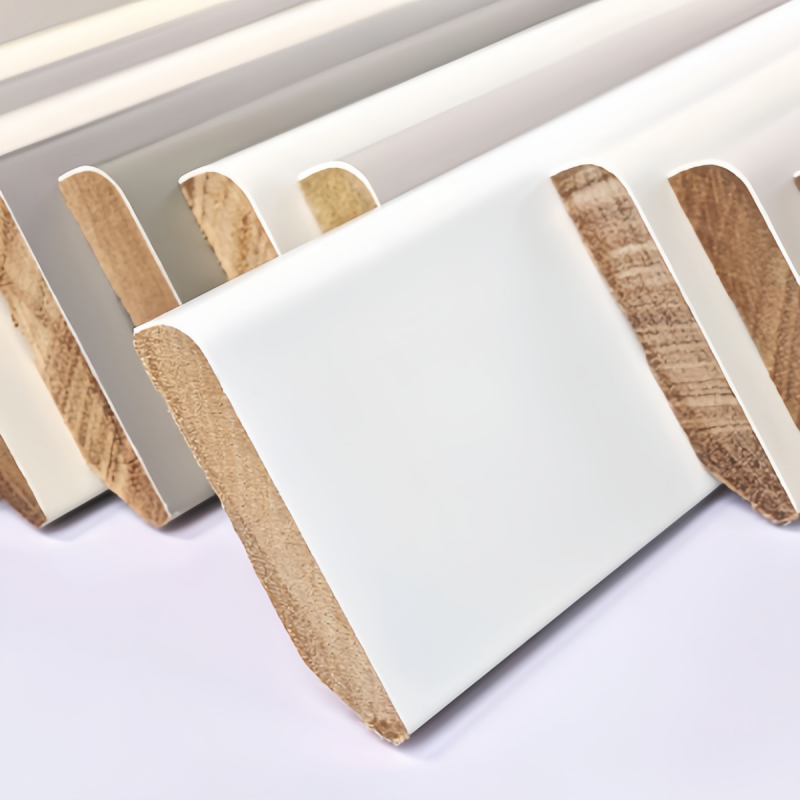
Frame Wood Moulding: Premium Pine, Oak & Ash Profiles

Get a Free Quote

Our representative will contact you soon.
Email
Mobile/WhatsApp
Name
Company Name
Message
0/1000

Andiwilson Frame Wood Moulding for Picture Frames and Joinery Trim

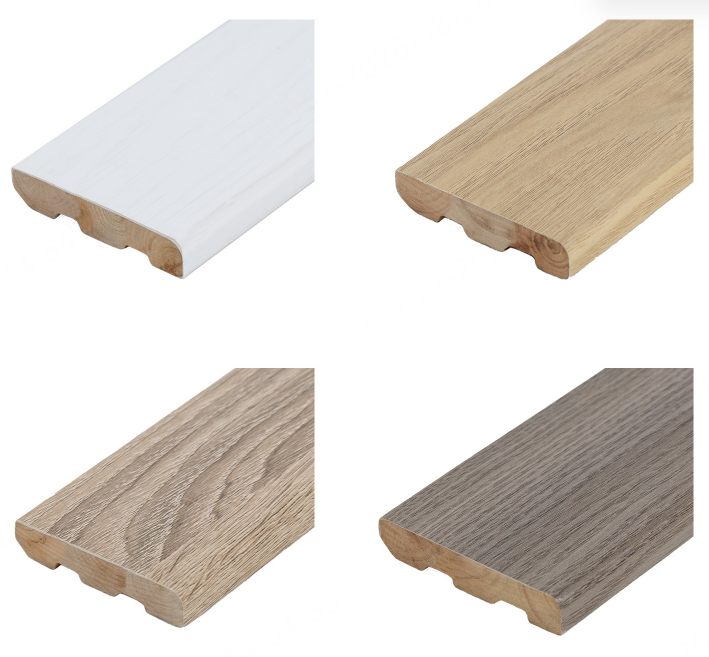
Frame wood moulding is profiled timber used to build picture frames, mirror surrounds, door casings and decorative trim. Andiwilson reviews species, profile, width, moisture content and finish before order. Illustrative specifications often use pine, oak or ash profiles from 25 mm to 75 mm wide, supplied in 2.4 m or 3 m lengths. Rebates can be machined for glass and backing, while chamfers and beads suit decorative edges. Cut ends should be sealed before finishing. Acclimatisation and storage conditions are agreed early. Suitability should be confirmed against current product data and the intended frame or joinery use rather than assumed for every application.
Get A Quote

Case Study

Museum Print Frames in Oak Moulding

An illustrative museum project used 25 mm oak frame wood moulding for 30 framed prints. Profiles were rebated for glass and acid-free backing, with a narrow sight edge. Moulding was conditioned in the gallery before assembly, and cut ends were sealed. A dry-fit checked mitre joints and rebate depth against print size. The curator agreed dust wiping and periodic wax inspection. Two spare lengths were stored for repairs. The brief focused on profile accuracy, rebate fit and finish compatibility, with suitability checked against product data and frame construction.

Hotel Corridor Mirror Frames in Ash

An illustrative hotel corridor used 50 mm ash frame wood moulding for 18 mirror frames. Profiles were supplied unfinished for site painting to match corridor joinery. Rebates were machined to suit mirror thickness, and end grain was primed before assembly. A dry-fit checked corner joints and wall fixing points. Works were phased by floor. Housekeeping agreed damp wiping and touch-up paint. Two spare lengths per floor were stored. The brief addressed rebate fit, paint finish and phased delivery, with suitability confirmed against product data and site conditions.

Residential Cabinet Trim in Pine Moulding

An illustrative residential kitchen used 40 mm pine frame wood moulding as decorative trim around cabinet edges. Profiles were machined with a simple bead to match existing joinery. Moulding was acclimatised and primed on all faces before fixing. A dry-fit checked mitre joints and alignment at eight cabinet runs. The owner agreed damp wiping and touch-up paint. One spare length was retained. The brief focused on profile matching, joint alignment and paint finish, with suitability checked against product data and cabinet construction.

Related products

Frame wood moulding is linear timber machined into profiles for picture frames, mirror surrounds, door casings and cabinet trim. Profiles may include rebates for glass and backing, chamfers, beads or simple square edges. Andiwilson reviews species, profile, width, moisture content, machining tolerance and finish before order. Illustrative specifications often use pine, oak or ash moulding from 25 mm to 75 mm wide, supplied in 2.4 m or 3 m lengths. Rebate depth should suit the glass, mirror or backing being fitted. Moisture content is discussed for interior joinery, with values confirmed against product data rather than assumed. Cut ends and end grain should be sealed before finishing to limit moisture uptake. Acclimatisation and site humidity are agreed before assembly, because timber moves. Mitre joints benefit from a dry-fit and consistent clamping. Finishes include paint, stain, oil and lacquer, with sample approval under room lighting. Delivery can be labelled by frame size or room to support phased work. Andiwilson provides care notes covering dust wiping, touch-up and finish inspection. Performance depends on species, profile and site conditions, so project teams should confirm current product data and machining tolerances before ordering.
Frequently Asked Questions

What profiles suit mirror frames?

Mirror frames often use rebated profiles that hold the mirror and backing, with a sight edge bead or chamfer. Rebate depth should match mirror thickness. Andiwilson advises checking profile drawings, mirror size and current product data before ordering, because larger mirrors may need wider profiles.
Moulding should be stored flat, dry and off the floor, in conditions similar to the final room. Acclimatisation time depends on species and climate. Andiwilson advises confirming storage and conditioning requirements in the product data, especially where heating or air conditioning runs.
Yes, narrower profiles can suit cabinet edges and decorative trim. The profile should be machined to match existing joinery or design intent. Andiwilson advises checking width, thickness, fixing method and current product data before order, because cabinet trim may need different dimensions from picture frames.
Mitre joints benefit from accurate machining, a dry-fit and consistent clamping. Cut ends should be sealed before finishing. Andiwilson advises checking profile tolerance and assembly method before production, and confirming current guidance for the selected species and finish.
Paint, stain, oil and lacquer can be used, depending on species and appearance. Cut ends should be sealed before finishing. Andiwilson advises reviewing finish samples under room lighting and confirming compatibility with the selected timber and current product data before application.

Related article

Quartz Fiber Board for Medical and Commercial Buildings: A New Generation of A-Class Fireproof Decorative Wall Panels

30

Jul

Quartz Fiber Board for Medical and Commercial Buildings: A New Generation of A-Class Fireproof Decorative Wall Panels

View More
Prefabricated Modular Walls Take Another Leap Forward! Integrated Invisible Door Solutions Redefine the Boundaries of Spatial Aesthetics and Practicality

26

Jul

Prefabricated Modular Walls Take Another Leap Forward! Integrated Invisible Door Solutions Redefine the Boundaries of Spatial Aesthetics and Practicality

View More
How to Choose the Right High Pressure Laminate Finish for Your Interior Surfaces?

19

Oct

How to Choose the Right High Pressure Laminate Finish for Your Interior Surfaces?

Start With the Wear Layer, Not the Color Card High pressure laminate finish selection often begins with a color card and a visual preference. That sequence is backward. The finish on an HPL surface is a performance layer before it is a decorative lay...
View More
A Complete Guide to Choosing the Right Exterior Wall Laminated Panels for Your Next Project.

23

Oct

A Complete Guide to Choosing the Right Exterior Wall Laminated Panels for Your Next Project.

Fire Classification Comes Before Aesthetics Specifying exterior wall laminated panels for a new project usually begins with a finish sample, a color, and a profile. That order is risky. A facade panel on a commercial building is part of a life safety...
View More

Frame Wood Moulding Planning Notes

Laura Chen

An illustrative museum note described 25 mm oak frame wood moulding for 30 framed prints. Profiles were rebated for glass and acid-free backing, with a narrow sight edge. Moulding was conditioned in the gallery, and cut ends were sealed. A dry-fit checked mitre joints and rebate depth against print size. The curator agreed dust wiping and periodic wax inspection, and two spare lengths were stored. The note focused on profile accuracy, rebate fit and finish compatibility, with suitability checked against product data.

James Patel

An illustrative hotel note described 50 mm ash frame wood moulding for 18 mirror frames, supplied unfinished for site painting. Rebates were machined to suit mirror thickness, and end grain was primed. A dry-fit checked corner joints and wall fixings, and work was phased by floor. Housekeeping agreed damp wiping and touch-up paint, with two spare lengths per floor. The note addressed rebate fit, paint finish and phased delivery, with suitability confirmed against product data.

Get a Free Quote

Our representative will contact you soon.
Email
Mobile/WhatsApp
Name
Company Name
Message
0/1000
Rebate Depth and Frame Assembly

Rebate Depth and Frame Assembly

Rebate depth affects how glass, mirror and backing sit within a frame. Andiwilson discusses rebate dimensions, profile shape and frame size before order. In an illustrative museum project, 25 mm oak moulding was rebated for glass and acid-free backing, with a narrow sight edge. The aim is a profile matched to frame assembly, not a universal rebate size. A dry-fit helps check depth before production. Current profile drawings and product data should be confirmed before ordering.
Species Choice and Machining Tolerance

Species Choice and Machining Tolerance

Pine, oak and ash machine differently, and tolerance affects mitre joints and finish. Andiwilson discusses species, grain and profile complexity before production. In an illustrative hotel project, 50 mm ash moulding was machined for mirror frames and supplied unfinished for painting. The aim is a profile that machines cleanly and holds a tight joint. Grain direction and moisture content also matter. Current product data and samples should be confirmed before ordering.
End Sealing and Finish Compatibility

End Sealing and Finish Compatibility

Cut ends and end grain should be sealed before finishing to limit moisture uptake and support paint or lacquer adhesion. Andiwilson discusses priming, finish type and touch-up before assembly. In an illustrative residential project, pine moulding was primed on all faces before fixing, and mitre joints were checked at eight cabinet runs. The aim is a finish that holds at joints and edges, not a universal coating. Current finish guidance and site conditions should be confirmed before application.
onlineONLINE