Wide Plank Engineered Hardwood Flooring: Seamless Open Interiors

Get a Free Quote

Our representative will contact you soon.
Email
Mobile/WhatsApp
Name
Company Name
Message
0/1000

Andiwilson Wide Plank Engineered Hardwood for Open, Seamless Interiors

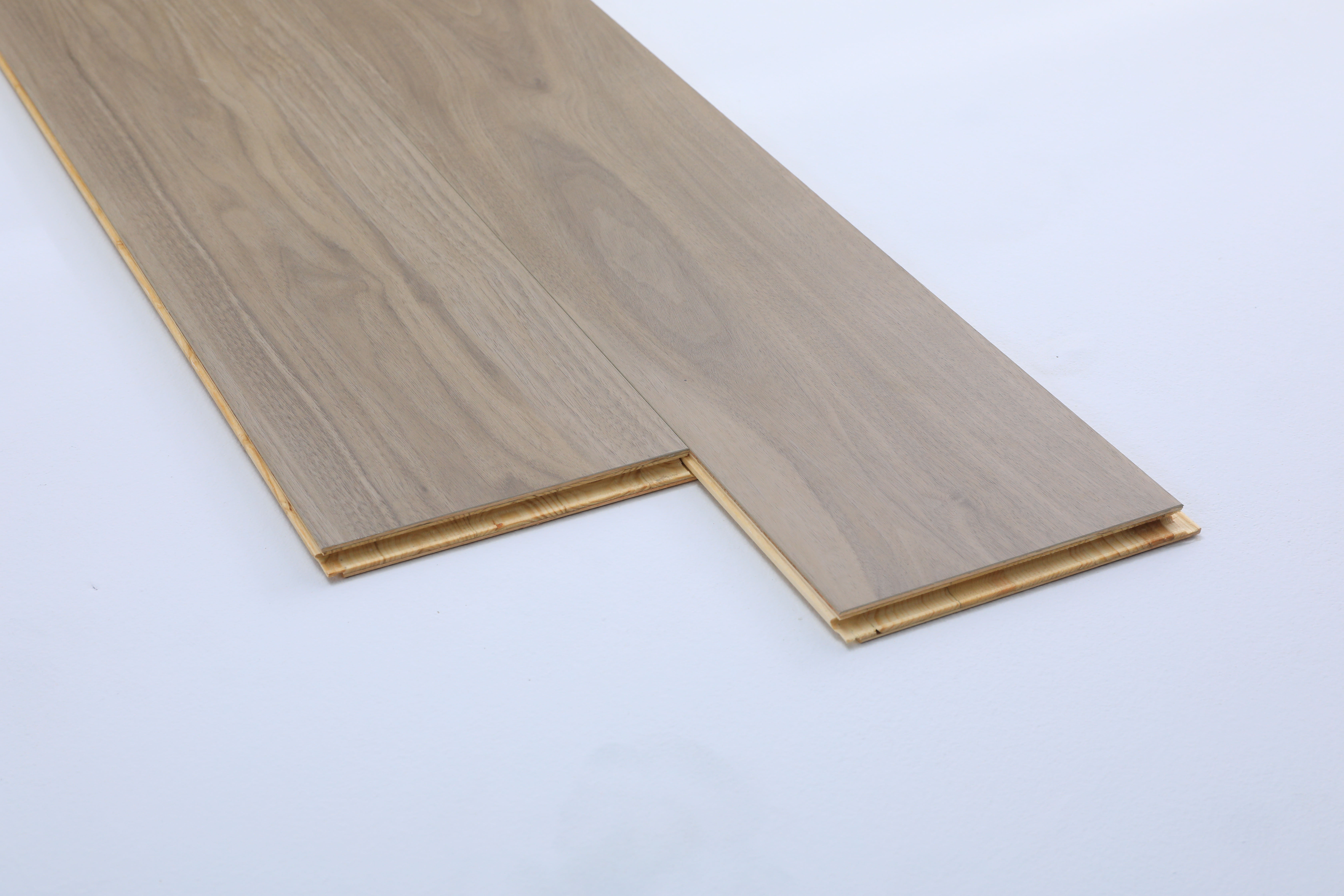
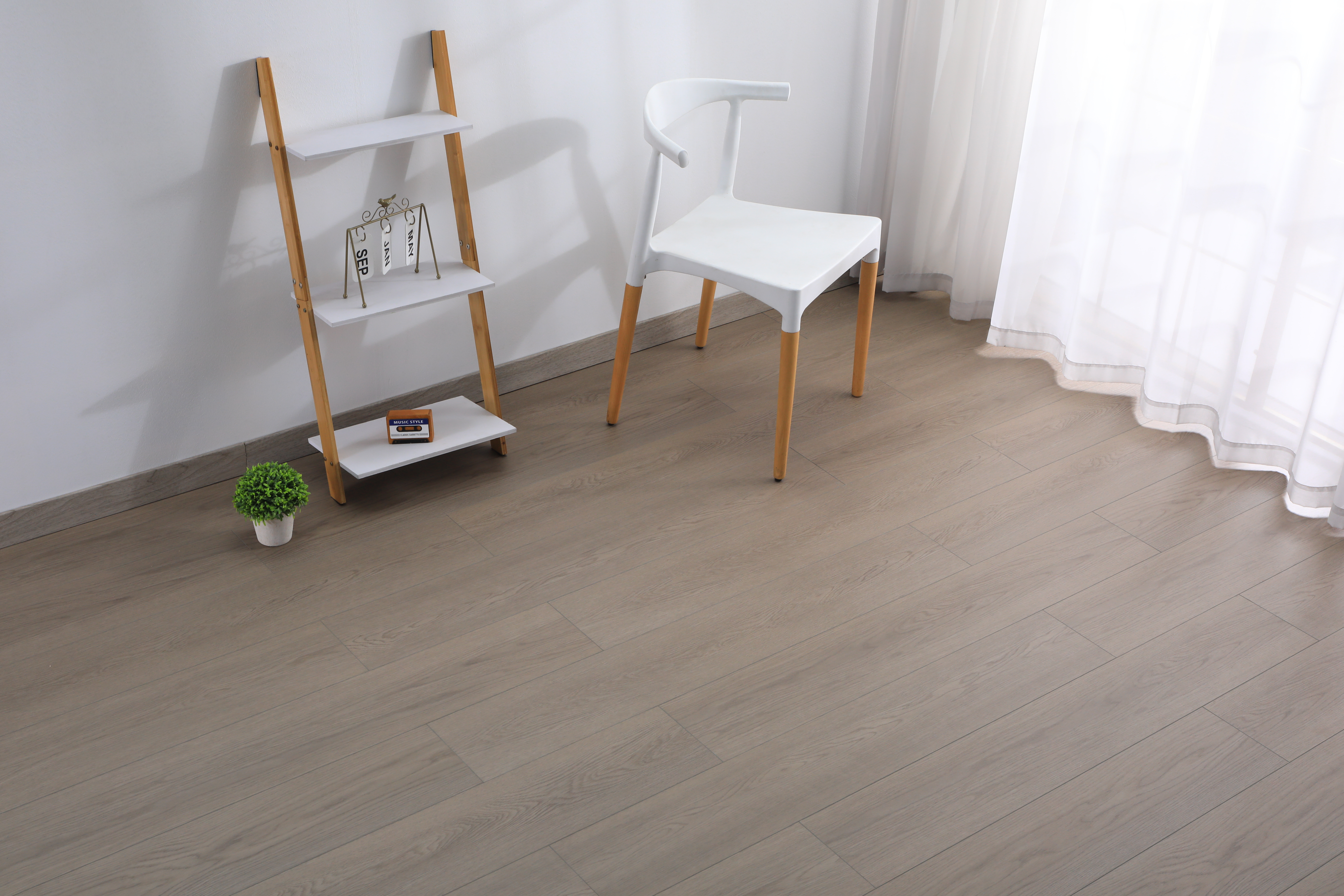
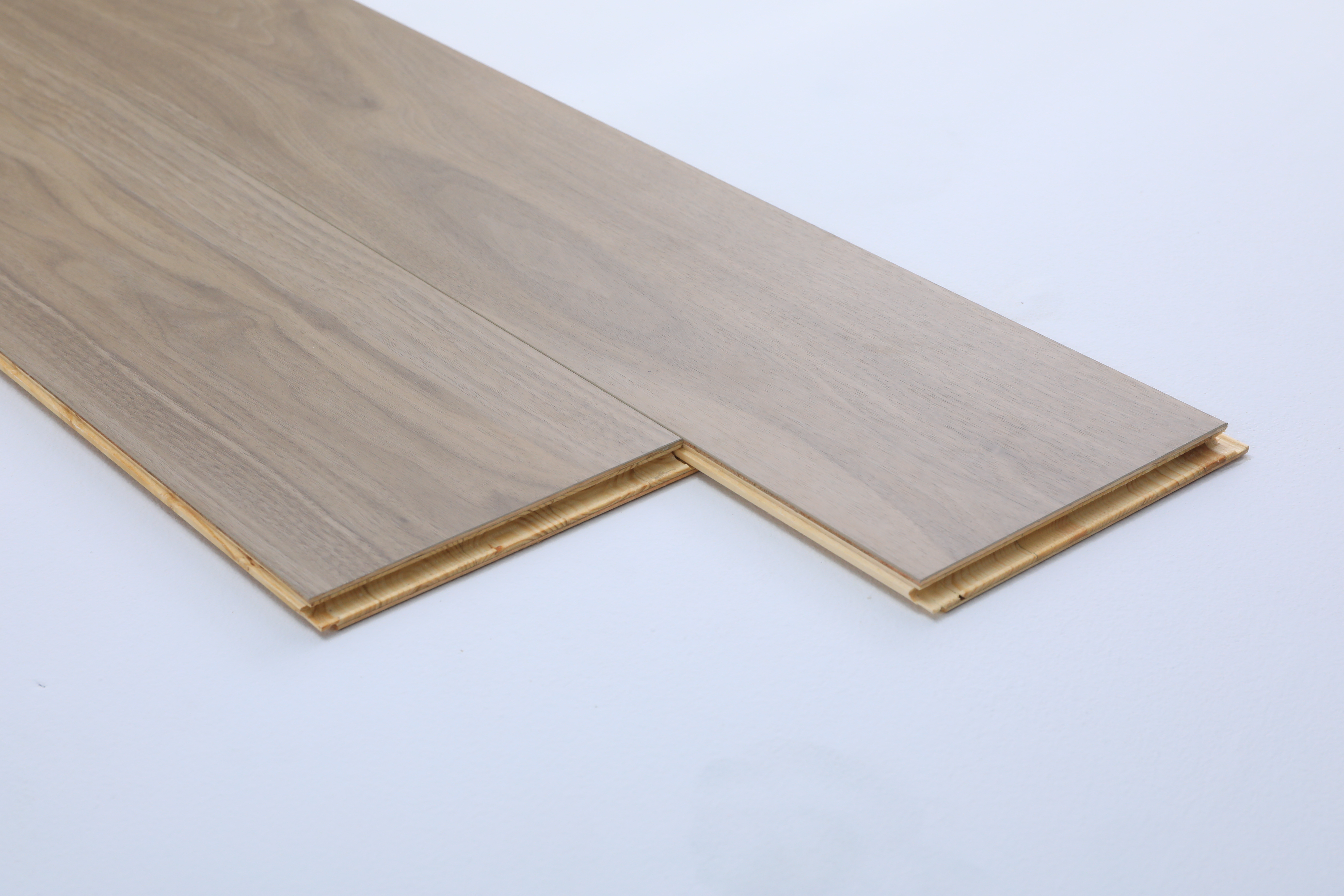
Wide plank engineered hardwood uses boards typically 180–300 mm wide, reducing visible seams and creating a calmer surface across open rooms. The engineered core, usually plywood or HDF, improves dimensional stability compared with solid wide boards, which helps in spaces with humidity variation. Andiwilson reviews wear layer thickness, core construction, board width and finish before specification. Illustrative projects include open-plan living areas, boutique hotel suites and retail flagships. Acclimatisation and subfloor moisture checks are agreed before fitting. Suitability should be confirmed against current technical documents and site conditions rather than assumed for every interior.
Get A Quote

Case Study

Open-Plan Living Area with White Oak Wide Planks

An illustrative open-plan living area used 15 mm engineered white oak boards, 220 mm wide, across 65 m². The wide format reduced seam lines and created a continuous visual flow toward the garden windows. Boards were acclimatised and dry-laid to check grain and shade variation before floating over acoustic underlay. A matte hardwax oil was chosen to soften reflections. The household agreed humidity monitoring and felt pads under furniture. Two spare boards were stored for future repairs. The brief focused on visual continuity, joint stability and finish maintenance, with suitability checked against current technical documents.

Boutique Hotel Suite with Hickory Wide Planks and Heating

An illustrative boutique hotel suite used 14 mm engineered hickory boards, 190 mm wide, across 45 m² over a low-temperature underfloor heating system. Heating was commissioned gradually before installation, and subfloor moisture was checked. Boards were acclimatised and glue-down over a levelled screed. A dry-lay sample checked colour variation and board layout. A matte lacquer was chosen for easier cleaning. Housekeeping agreed dry mopping and prompt spill wiping. Two spare boards were retained. The brief addressed heating compatibility, shade blending and maintenance, with suitability confirmed against current documents.

Retail Flagship with Walnut Wide Planks

An illustrative retail flagship used 15 mm engineered walnut boards, 260 mm wide, across 90 m². The wide planks created a calm backdrop for displays and reduced visible joints under track lighting. Boards were acclimatised and glue-down over concrete with a vapour barrier. A dry-lay checked grain and shade before fixing. A matte oil finish reduced glare. Staff agreed daily dust mopping and prompt spill wiping. Two spare boards were stored. The brief focused on visual calm, joint stability and cleaning routine, with suitability checked against current technical documents.

Related products

Wide plank engineered hardwood flooring combines a hardwood wear layer with a plywood or HDF core, allowing boards 180–300 mm wide while improving dimensional stability compared with solid wide boards. The wider format reduces visible seams and can make open rooms feel calmer and more continuous. Andiwilson supports projects by reviewing wear layer thickness, core construction, board width, finish and installation method before order. Illustrative specifications use 14–15 mm boards in living areas, hotel suites and retail flagships. Installation may be floating over underlay, glue-down over concrete or staple-down over wood subfloors, with a vapour barrier where required. Acclimatisation and subfloor moisture checks are agreed before fitting. A dry-lay helps check grain, shade variation and layout. Engineered wide planks can suit low-temperature underfloor heating when confirmed by the manufacturer, but heating should be commissioned gradually. Andiwilson provides care notes covering dry mopping, neutral cleaner and furniture pads. Performance depends on core quality, site humidity and maintenance, so project teams should confirm current technical documents and installation guidance before ordering.
Frequently Asked Questions

How does wide plank engineered hardwood differ from narrow planks?

Wide planks are typically 180–300 mm wide and reduce visible seams, creating a calmer visual flow. Narrow planks show more joints but can suit smaller rooms. Andiwilson advises considering room proportions, layout and current technical documents before choosing a width.
The engineered core improves dimensional stability compared with solid wide boards, but humidity still matters. Acclimatisation, expansion gaps and moisture checks help. Andiwilson advises reviewing core construction and site conditions before specification, because stability depends on product and installation.
Some engineered products suit low-temperature underfloor heating when confirmed by the manufacturer. Heating should be commissioned gradually, and surface limits checked. Andiwilson advises reviewing core construction, heating guidance and current documents before specification, because not every wide plank is suitable.
Floating over underlay, glue-down over concrete or staple-down over wood subfloors are common, depending on the product. Acclimatisation and moisture checks are still needed. Andiwilson advises following current installation guidance for the selected core and fixing method before work begins.
Routine care usually involves dry mopping and occasional damp wiping with a neutral cleaner. Avoid wet mopping and abrasive products. Felt pads and entrance matting help reduce marks. Andiwilson provides care notes, but finishes and cleaning products should be checked against the selected system.

Related article

Quartz Fiber Board for Medical and Commercial Buildings: A New Generation of A-Class Fireproof Decorative Wall Panels

30

Jul

Quartz Fiber Board for Medical and Commercial Buildings: A New Generation of A-Class Fireproof Decorative Wall Panels

View More
How Do Exterior Wall Laminated Panels Help Reduce Carbon Footprint in Construction?

12

Oct

How Do Exterior Wall Laminated Panels Help Reduce Carbon Footprint in Construction?

The Carbon Argument Starts With How Little Aluminium Goes Into the Panel A laminated exterior panel is not a thin coat of paint over a solid metal sheet. It is a sandwich. Two thin aluminium skins sit on either side of a core that does most of the di...
View More
How to Choose the Right High Pressure Laminate Finish for Your Interior Surfaces?

19

Oct

How to Choose the Right High Pressure Laminate Finish for Your Interior Surfaces?

Start With the Wear Layer, Not the Color Card High pressure laminate finish selection often begins with a color card and a visual preference. That sequence is backward. The finish on an HPL surface is a performance layer before it is a decorative lay...
View More
A Complete Guide to Choosing the Right Exterior Wall Laminated Panels for Your Next Project.

23

Oct

A Complete Guide to Choosing the Right Exterior Wall Laminated Panels for Your Next Project.

Fire Classification Comes Before Aesthetics Specifying exterior wall laminated panels for a new project usually begins with a finish sample, a color, and a profile. That order is risky. A facade panel on a commercial building is part of a life safety...
View More

Wide Plank Engineered Hardwood Planning Notes

Laura Chen

An illustrative living area note described 15 mm engineered white oak boards, 220 mm wide, across 65 m². The wide format reduced seam lines and created a continuous flow toward garden windows. Boards were acclimatised and dry-laid to check grain and shade before floating over acoustic underlay. A matte hardwax oil softened reflections. The household agreed humidity monitoring and felt pads, and two spare boards were stored. The note focused on visual continuity, joint stability and finish maintenance, with suitability checked against current technical documents.

James Patel

An illustrative hotel suite note described 14 mm engineered hickory boards, 190 mm wide, across 45 m² over underfloor heating. Heating was commissioned gradually, and subfloor moisture was checked before glue-down over a levelled screed. A dry-lay sample checked colour variation and layout, and a matte lacquer was chosen for easier cleaning. Housekeeping agreed dry mopping and prompt spill wiping, and two spare boards were retained. The note addressed heating compatibility, shade blending and maintenance, with suitability confirmed against current documents.

Get a Free Quote

Our representative will contact you soon.
Email
Mobile/WhatsApp
Name
Company Name
Message
0/1000
Wide Format and Visual Continuity

Wide Format and Visual Continuity

Wider planks reduce visible seams and can make open rooms feel calmer and more continuous. Andiwilson discusses board width, room proportions and layout before specification. In an illustrative living area, 220 mm white oak boards created a continuous flow toward garden windows. The aim is a balanced visual effect, not a universal width recommendation. Narrower rooms may suit narrower planks. Dry-lay samples and current technical documents should be confirmed before ordering.
Engineered Core Stability for Wide Boards

Engineered Core Stability for Wide Boards

The engineered core improves dimensional stability compared with solid wide boards, which helps with wider planks and humidity variation. Andiwilson discusses core type, wear layer and board width before specification. In an illustrative hotel suite, a stable core supported 190 mm hickory boards over underfloor heating. The core is not a single formula; products differ. Site humidity and heating conditions also matter. Current technical documents and samples should be confirmed before ordering.
Finish Choice and Maintenance for Wide Planks

Finish Choice and Maintenance for Wide Planks

Finish choice affects appearance and cleaning on wide plank floors. Matte oils soften reflections, while lacquer can be easier to wipe. Andiwilson discusses finish samples and maintenance routine before specification. In an illustrative retail flagship, a matte oil finish reduced glare under track lighting. In a hotel suite, a matte lacquer was chosen for easier cleaning. The aim is a practical routine, not a universal finish recommendation. Current care guidance and site conditions should be confirmed before ordering.
onlineONLINE