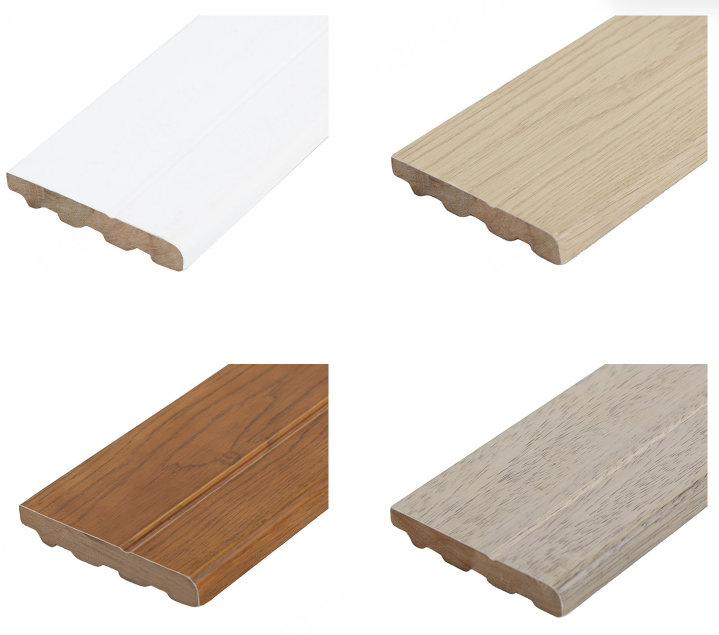
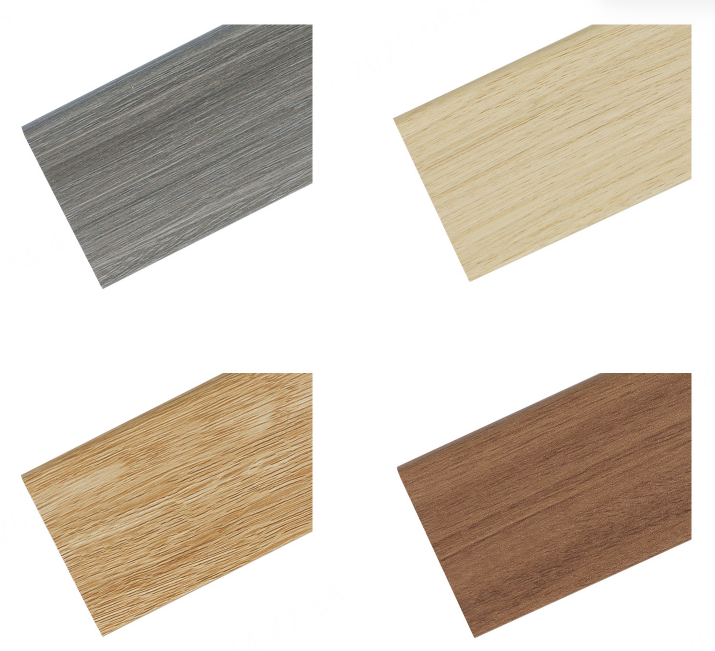
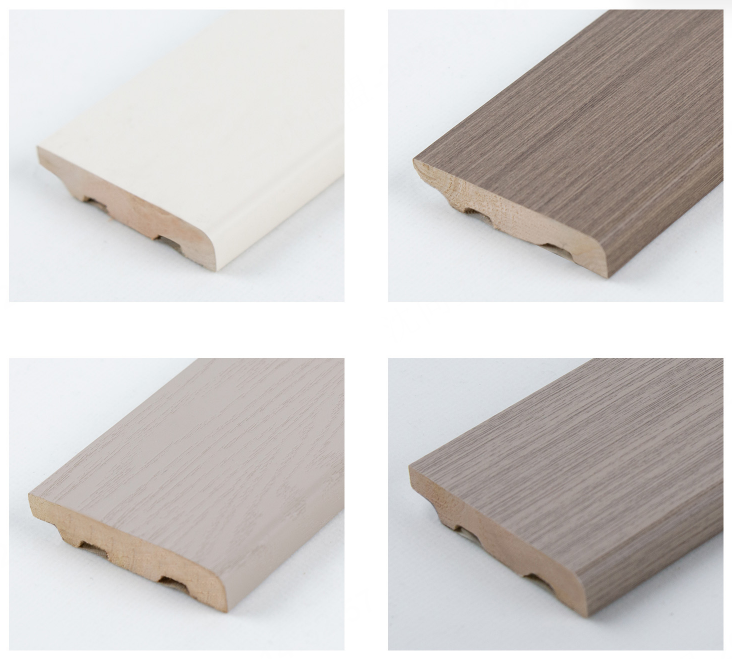
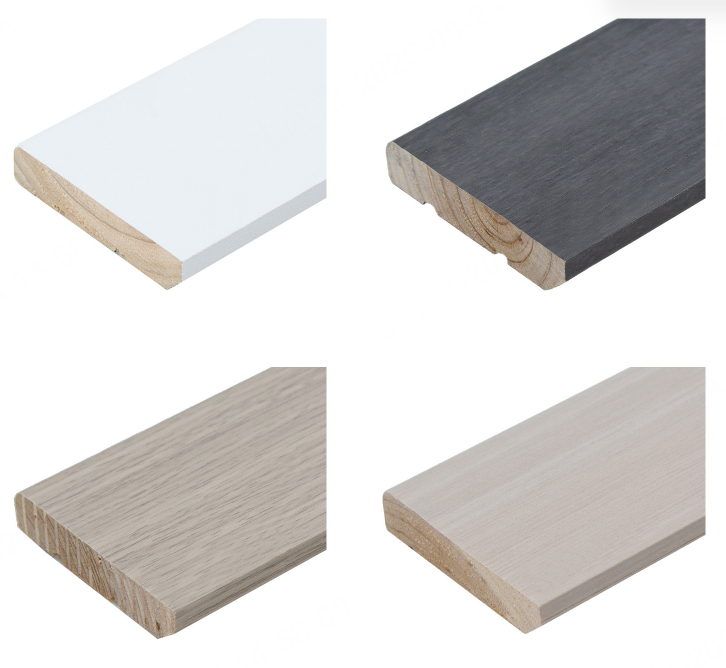
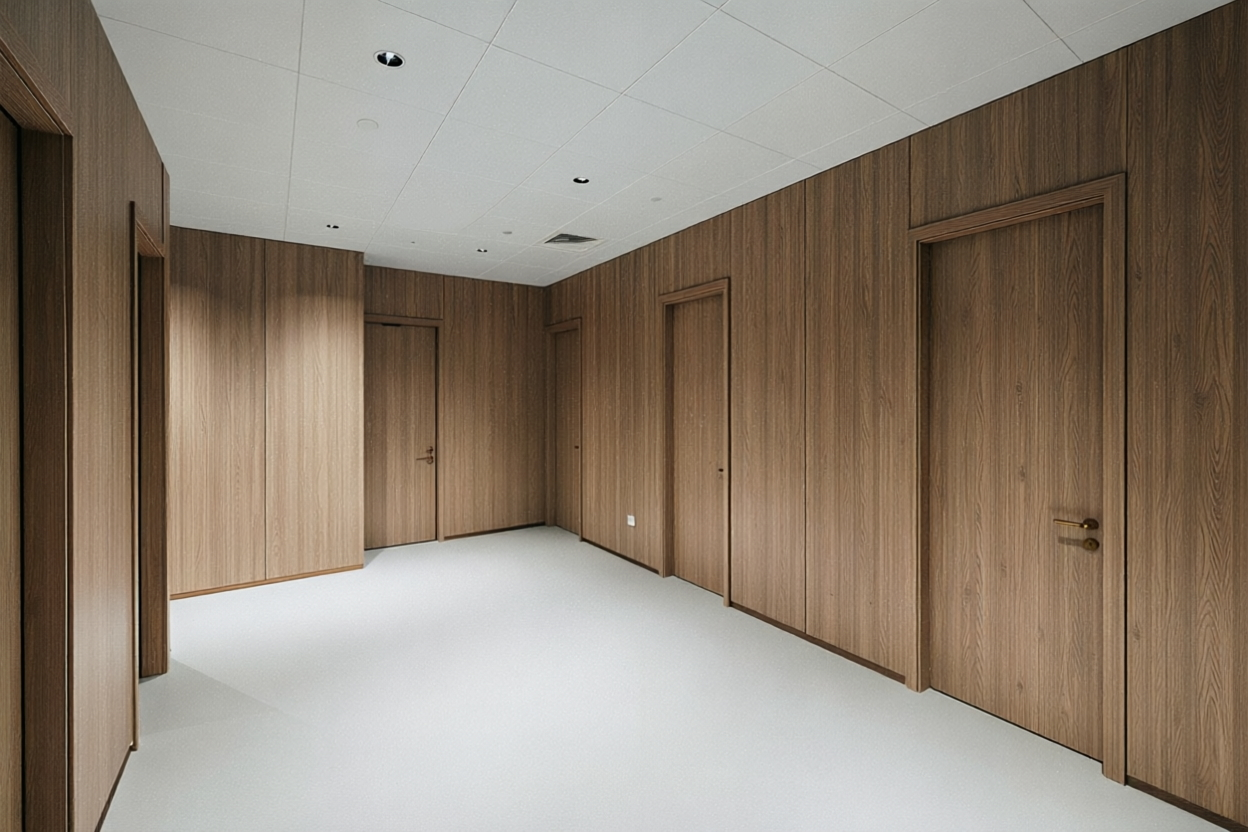
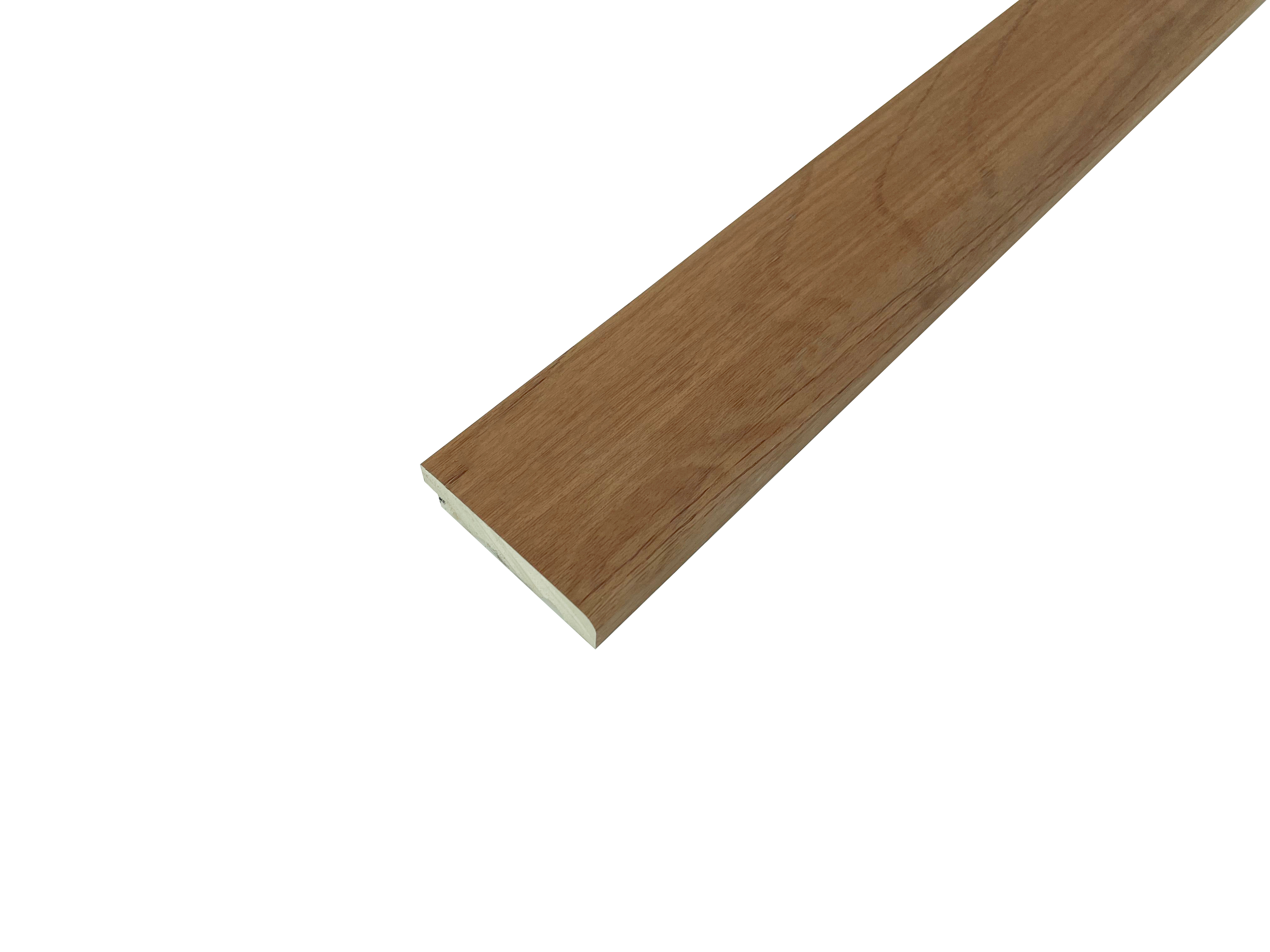
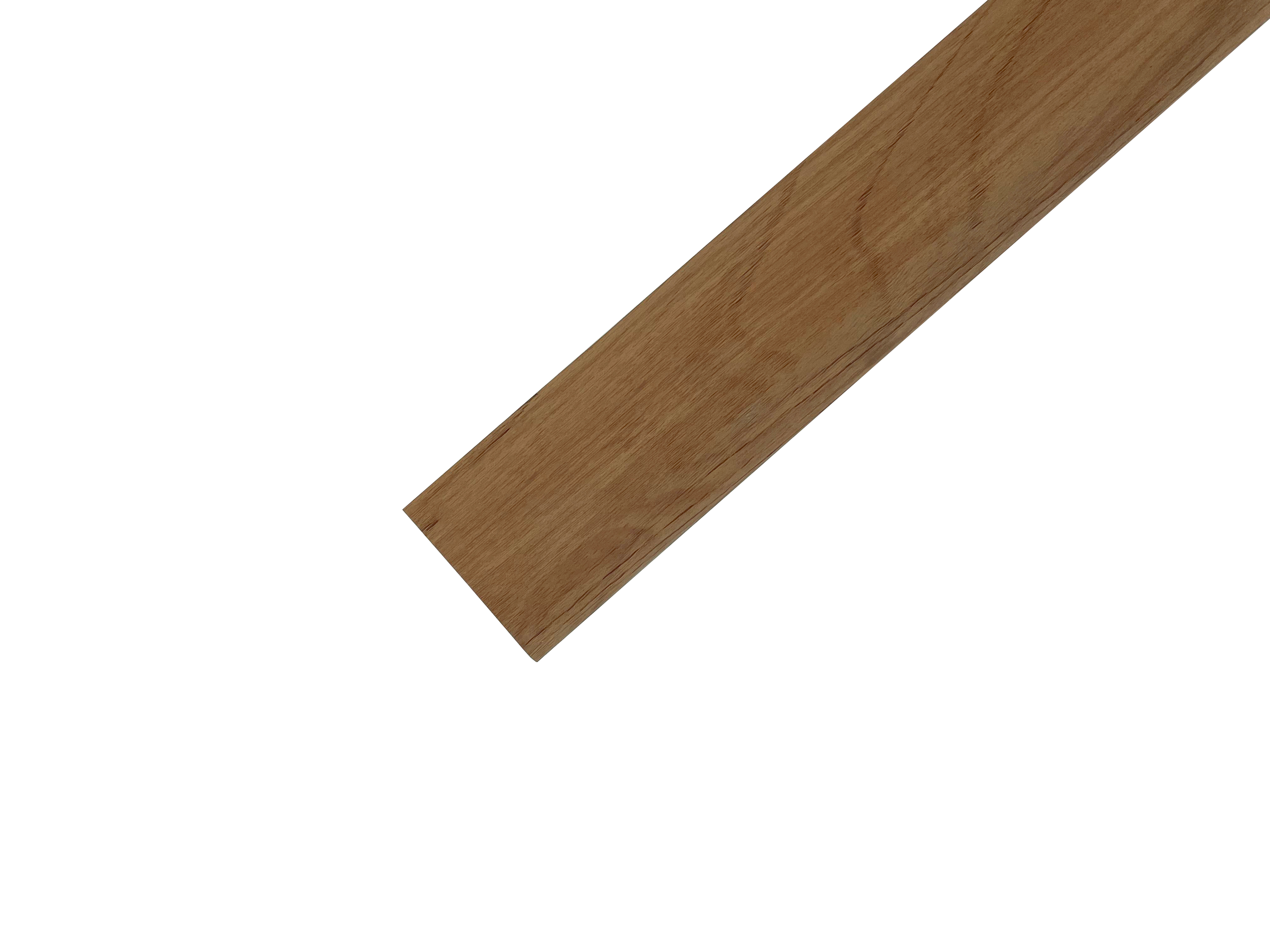
Wood door trim molding frames interior door openings and protects plaster edges from daily traffic. It is usually machined from pine, oak or tulipwood into casing and header profiles, with widths often between 70 mm and 100 mm. Andiwilson reviews casing width, header profile, species, moisture content, machining tolerance and finish before order. A door set may combine side casings, a header and a small backband, and these should be machined from the same batch where possible to reduce colour mismatch. Timber is acclimatised before installation, and cut ends are sealed to limit moisture uptake and support paint adhesion. Wall plumb, frame alignment and skirting height are checked early, because mitre and scribe joints show gaps once fixed. Fixing may be adhesive and pin-nail into plasterboard, secret-nail through a rebate, or plug-and-screw into masonry. Finishes include paint, stain, oil and lacquer, with samples approved under room lighting. Lengths can be labelled by room or floor and packed in installation sequence. Andiwilson provides care notes covering damp wiping, touch-up and finish inspection. Performance depends on species, profile and wall conditions, so project teams should confirm current product data and machining tolerances before ordering.
30
Jul
07
Oct
19
Oct
23
Oct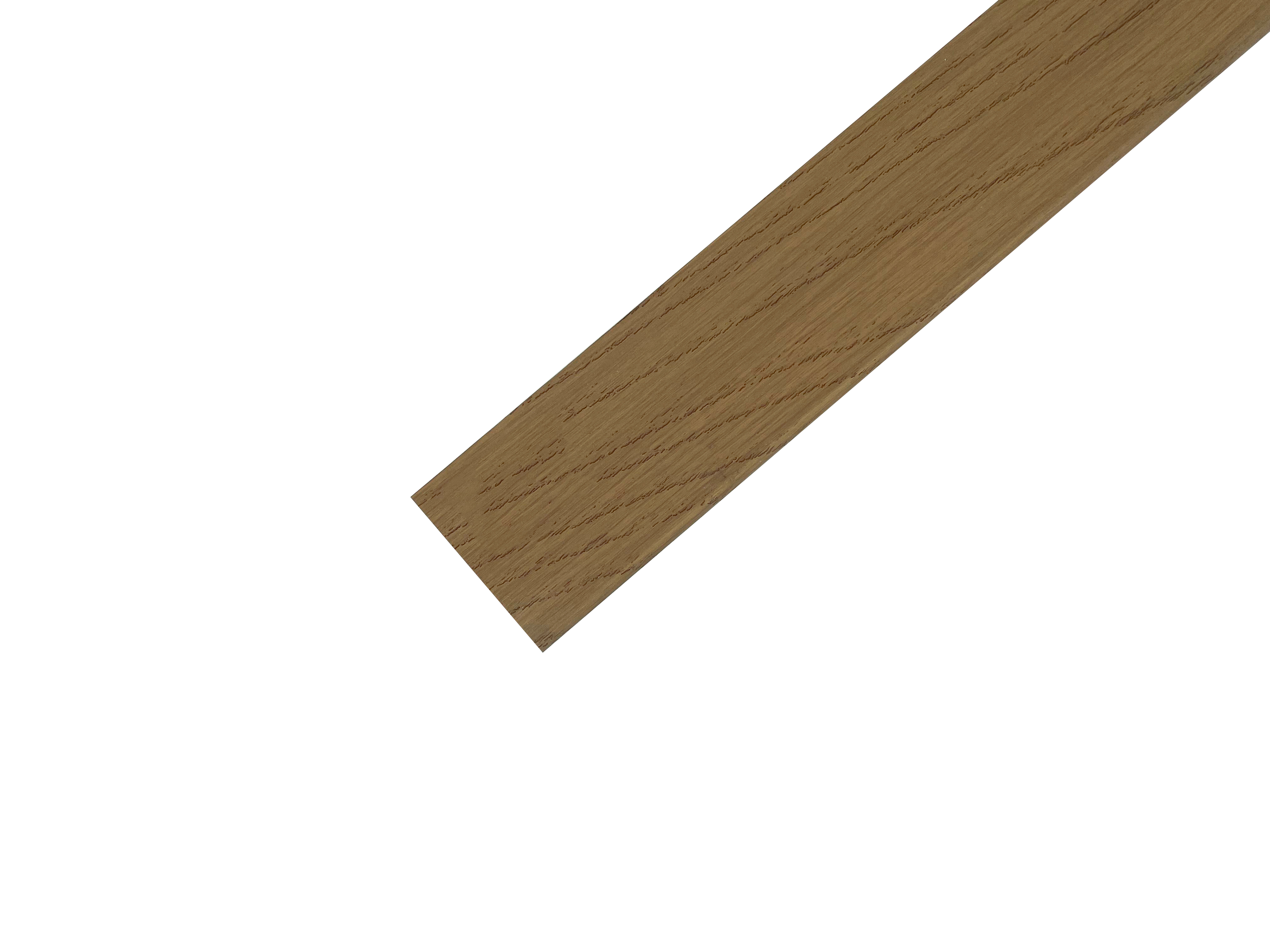
 ONLINE

Shanghai Xingjinxin International Trade Co., Ltd. | We specialize in decorative wall panels, flooring, mouldings, and interior decoration materials for residential and commercial projects. Combining reliable quality, innovative designs, and professional service, we provide customized solutions that help customers create durable, stylish, and functional interior spaces worldwide.
Room 1316, Yongsheng Building, 2025 Zhongshan West Road, Xuhui District, Shanghai
Copyright © 2026 By Shanghai Xingjinxin International Trade Co., Ltd. Privacy Policy
 EN