WPC Flooring for Homes & Commercial Spaces | Andiwilson

Get a Free Quote

Our representative will contact you soon.
Email
Mobile/WhatsApp
Name
Company Name
Message
0/1000

Andiwilson WPC Flooring for Homes, Retail and Sheltered Outdoor Use

WPC flooring describes a family of boards built on a wood-plastic composite core with a vinyl or laminate surface. The core resists moisture better than some wood-based cores and gives a firmer feel than flexible vinyl. Andiwilson reviews core density, wear layer, joint system and exposure before specification. Illustrative projects include an apartment living room, a hotel corridor and a covered balcony. Indoor and outdoor grades behave differently, so project teams should distinguish the two before ordering. Acclimatisation and expansion gaps are agreed early. Suitability should be confirmed against current product documents.
Get A Quote

Case Study

Apartment Living Room with WPC Click Planks

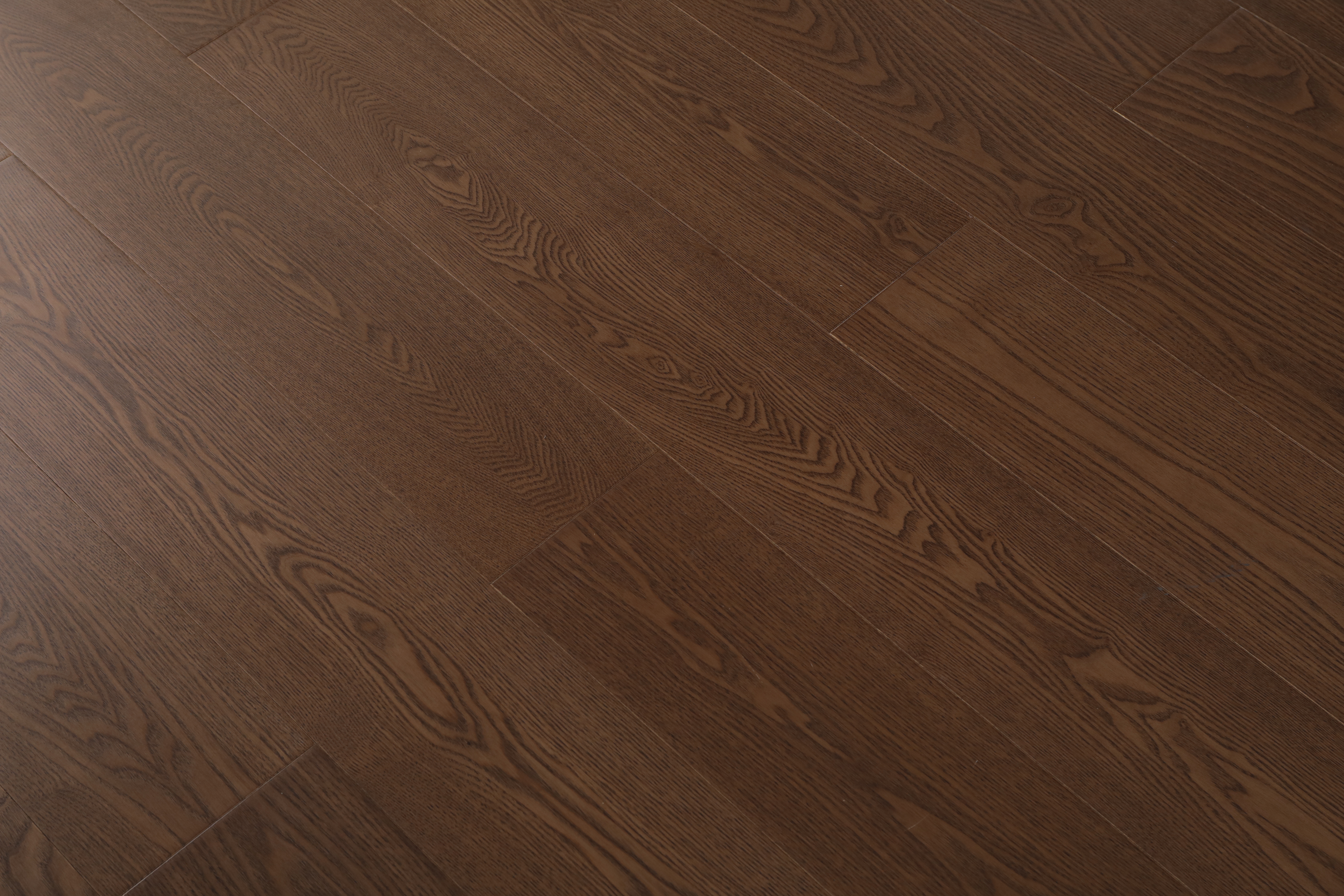
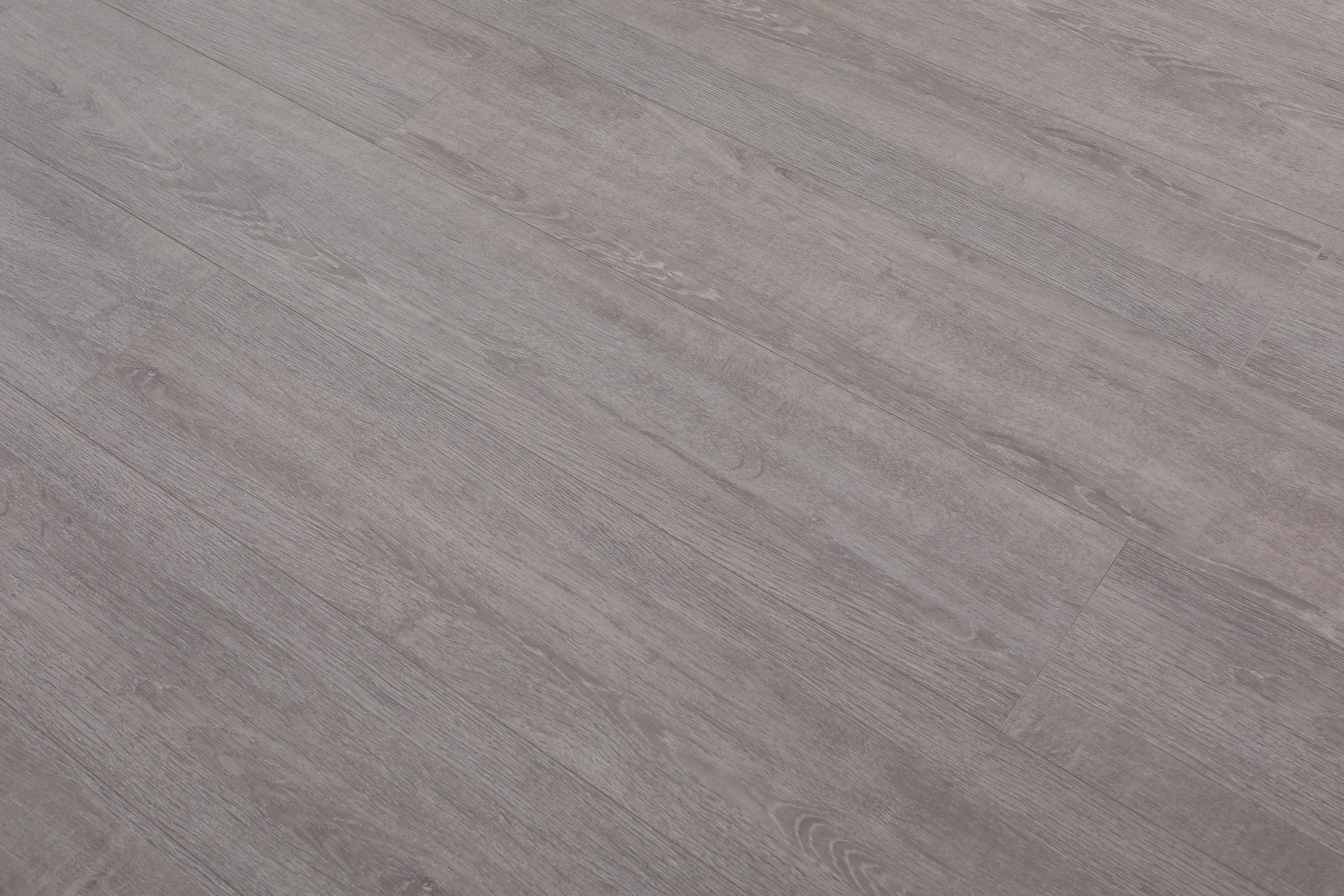
An illustrative apartment living room used 5.5 mm WPC click planks in a pale oak decor across 42 m². The rigid core was chosen for stability over a plywood subfloor, and an acoustic underlay softened footfall for the flat below. Planks were conditioned before clicking together, and perimeter gaps were left at walls. The household agreed dry mopping and felt pads under furniture. Two spare planks were stored for repairs. The brief focused on joint stability, footfall comfort and simple upkeep, with suitability checked against product documents.

Hotel Corridor with WPC Stone-Effect Boards

An illustrative hotel corridor used 5 mm WPC boards in a stone-effect decor across 80 m. The vinyl wear layer was selected for scuff resistance under trolley traffic. Boards were acclimatised and glued over a levelled screed with a vapour barrier. A dry-lay checked decor and shade before fixing. Expansion gaps were detailed at door frames. Housekeeping agreed dry mopping and prompt spill wiping. Two spare packs were stored. The brief addressed joint stability, cleanability and phased delivery, with suitability confirmed against product documents.

Covered Balcony with Sheltered WPC Deck Boards

An illustrative covered balcony used 22 mm WPC deck boards with a grooved profile over adjustable pedestals. The roof limited direct rain, but wind-driven moisture still reached the edges. Joist spacing, ventilation and clip gaps followed supplier drawings. Boards were laid with a gap for thermal movement. The owner agreed sweeping and periodic washing with a pH-neutral cleaner. Two spare boards were stored. The brief addressed thermal movement, drainage and surface texture, with outdoor suitability confirmed against current documents.

Related products

WPC flooring is a family of products built on a wood-plastic composite core. Interior versions usually carry a printed vinyl decor and click edges, while exterior deck boards use a grooved profile and hidden clips. The core resists moisture better than some wood-based cores and gives a firmer feel than flexible vinyl, but indoor and outdoor grades are not interchangeable. Andiwilson supports projects by reviewing core density, wear layer, joint system, fixing method and exposure before order. Illustrative projects include apartment living rooms, hotel corridors and covered balconies. Acclimatisation, expansion gaps and ventilation are agreed at specification stage. Colour batches and surface embossing are checked against retained samples. Cleaning usually involves sweeping and periodic washing with a pH-neutral cleaner, with prompt removal of spills. Because exposure conditions vary, project teams should confirm current product documents, fixing details and thermal movement allowances before ordering. This practical approach helps designers use WPC flooring without overstating weather or moisture resistance.
Frequently Asked Questions

What does WPC flooring mean?

WPC stands for wood-plastic composite. The core mixes wood flour, polymer and additives, with a vinyl or laminate surface on top. It is used indoors and, in different grades, for sheltered decks. Andiwilson advises confirming the grade and exposure before specification.
No. Interior click boards are not intended for rain, UV exposure or standing water. Exterior use requires deck boards rated for outdoor conditions, with suitable joists, clips and drainage. Andiwilson advises checking product documents and fixing guidance before considering any outdoor installation.
WPC cores contain more polymer and wood flour, giving a slightly softer feel, while SPC cores are mineral-based and feel harder. Both carry vinyl wear layers. Andiwilson advises comparing core composition, thickness and joint system against the room conditions before choosing between them.
Interior WPC may include an attached underlay or need a separate foam or acoustic layer. A vapour barrier may be needed over concrete. Andiwilson advises checking flatness and matching underlay to the click system and current fitting guidance before laying.
Routine care usually involves sweeping or dry mopping and occasional damp wiping with a neutral cleaner. Avoid wet mopping, steam cleaners and abrasive pads unless product guidance permits them. Andiwilson provides care notes, but products should be checked against the selected grade.

Related article

Quartz Fiber Board for Medical and Commercial Buildings: A New Generation of A-Class Fireproof Decorative Wall Panels

30

Jul

Quartz Fiber Board for Medical and Commercial Buildings: A New Generation of A-Class Fireproof Decorative Wall Panels

View More
Why Should Designers Use Custom Textured Wall Panels for Feature Walls?

07

Oct

Why Should Designers Use Custom Textured Wall Panels for Feature Walls?

A Feature Wall Is a Working Surface, Not a Backdrop Designers often choose a feature wall from a rendering first. A bold texture or metallic finish looks convincing in perspective, then the built wall reveals problems the image never showed: glare fr...
View More
How to Choose the Right High Pressure Laminate Finish for Your Interior Surfaces?

19

Oct

How to Choose the Right High Pressure Laminate Finish for Your Interior Surfaces?

Start With the Wear Layer, Not the Color Card High pressure laminate finish selection often begins with a color card and a visual preference. That sequence is backward. The finish on an HPL surface is a performance layer before it is a decorative lay...
View More
A Complete Guide to Choosing the Right Exterior Wall Laminated Panels for Your Next Project.

23

Oct

A Complete Guide to Choosing the Right Exterior Wall Laminated Panels for Your Next Project.

Fire Classification Comes Before Aesthetics Specifying exterior wall laminated panels for a new project usually begins with a finish sample, a color, and a profile. That order is risky. A facade panel on a commercial building is part of a life safety...
View More

WPC Flooring Planning Notes

Laura Chen

A planning note for an apartment living room described 5.5 mm WPC click planks in a pale oak decor across 42 m². The rigid core was chosen for stability over plywood, and acoustic underlay softened footfall. Planks were conditioned before clicking together, and perimeter gaps were left at walls. The household agreed dry mopping and felt pads, and two spare planks were stored. The note focused on joint stability, footfall comfort and simple upkeep, with suitability checked against product documents.

James Patel

A planning note for a hotel corridor described 5 mm WPC boards in a stone-effect decor across 80 m. The vinyl wear layer was selected for scuff resistance under trolley traffic. Boards were acclimatised and glued over a levelled screed with a vapour barrier. A dry-lay checked decor before fixing, and housekeeping agreed dry mopping and prompt spill wiping. Two spare packs were stored. The note addressed joint stability, cleanability and phased delivery, with suitability confirmed against product documents.

Get a Free Quote

Our representative will contact you soon.
Email
Mobile/WhatsApp
Name
Company Name
Message
0/1000
Interior and Exterior WPC Grades

Interior and Exterior WPC Grades

WPC flooring covers indoor click boards and exterior deck boards, and the two are not interchangeable. Andiwilson discusses core density, surface wear layer, fixing method and exposure before order. In an illustrative covered balcony, 22 mm grooved deck boards were laid over adjustable pedestals with clip gaps for thermal movement. The aim is a grade matched to exposure, not a universal board. Current product documents and fixing guidance should be confirmed before ordering.
Core Density and Joint Stability

Core Density and Joint Stability

Core density affects plank rigidity, joint strength and how the floor feels underfoot. Andiwilson discusses core density, plank thickness and click profile before specification. In an illustrative hotel corridor, 5 mm boards were glued over a levelled screed to keep joints stable under trolley traffic. A denser core is not automatically better for every room; underlay and subfloor also matter. The aim is a build-up matched to the application. Current product documents and samples should be confirmed before ordering.
Thermal Movement and Clip Spacing Outdoors

Thermal Movement and Clip Spacing Outdoors

WPC boards expand and contract with temperature, so exterior decks need expansion gaps and clip spacing that allow movement. Andiwilson discusses profile design, joist spacing and drainage before installation. In an illustrative covered balcony, clip gaps followed supplier drawings and boards were laid with a gap for thermal movement. These details support a serviceable deck but do not remove the need for correct exposure and ventilation. Current fixing guidance and site conditions should be confirmed before work begins.
onlineONLINE