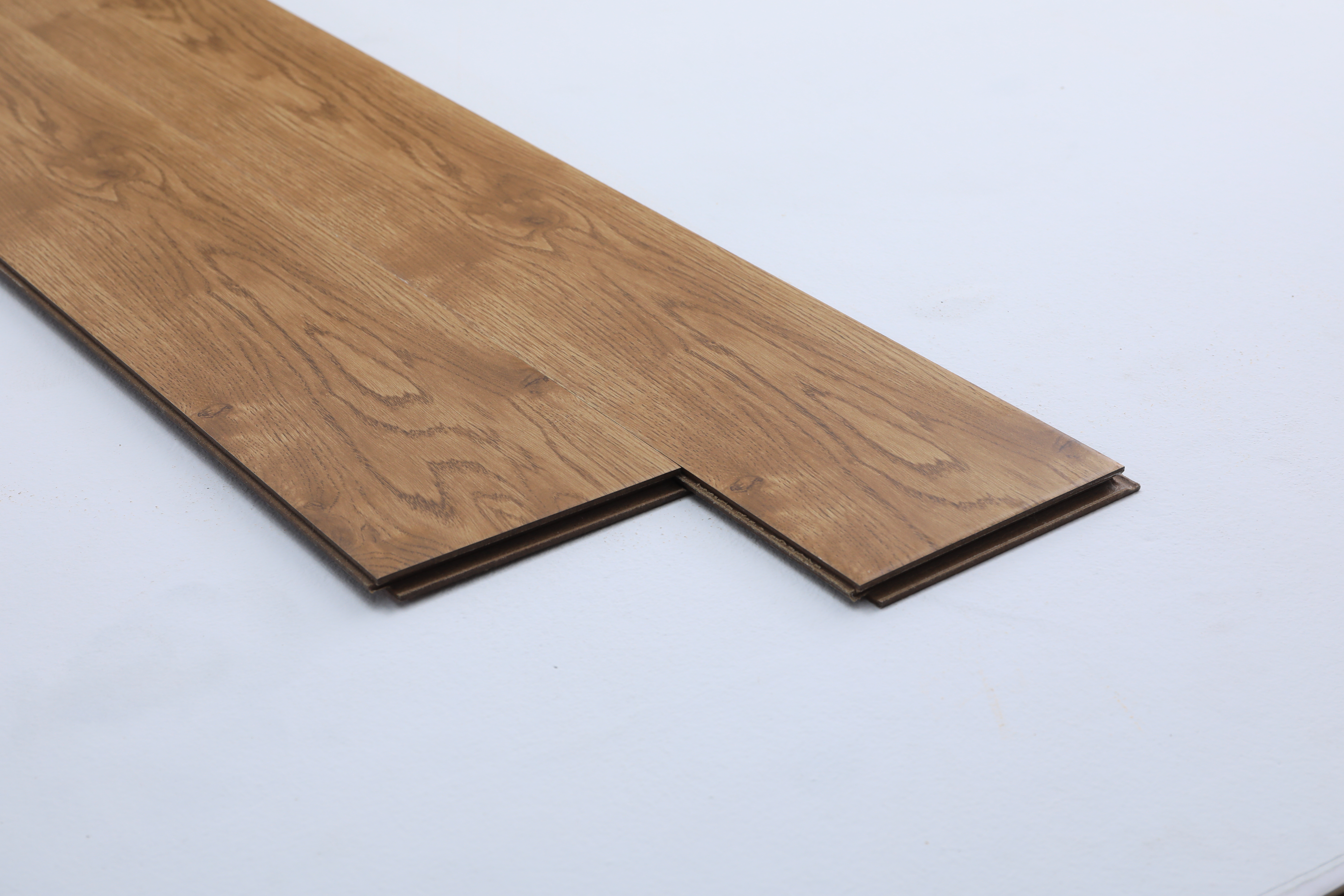
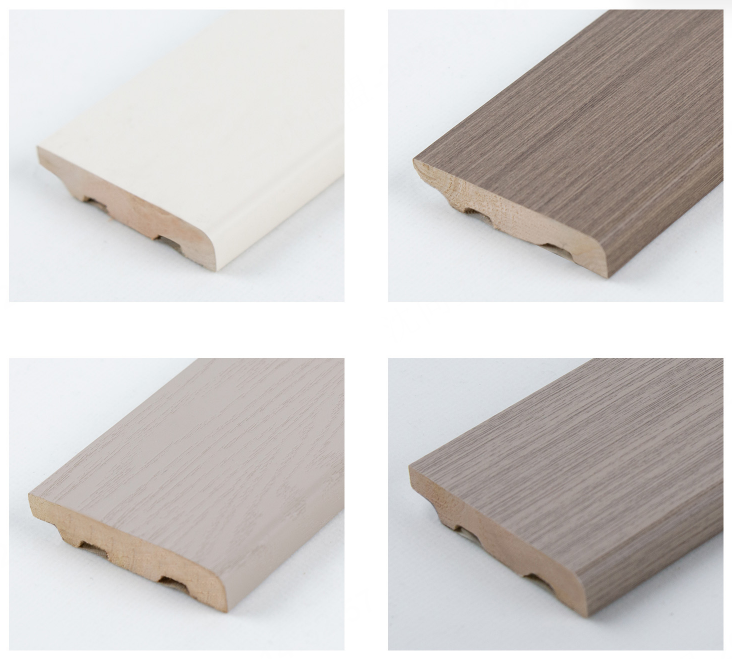
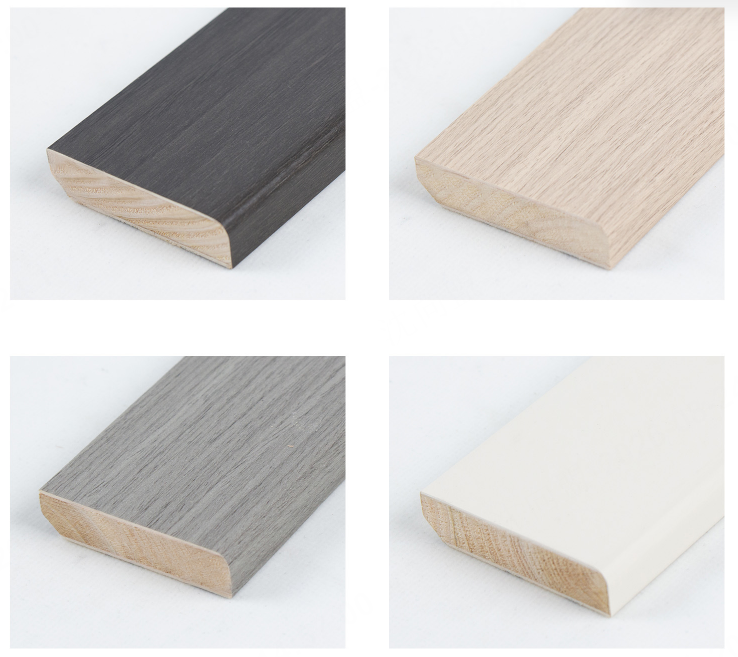
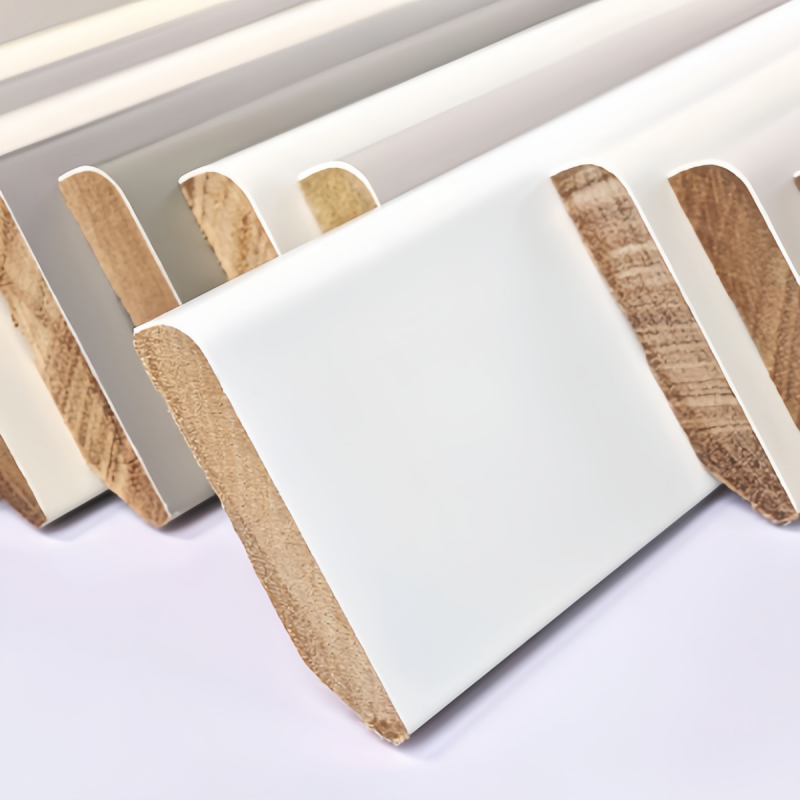
Hardwood Baseboards: Premium Solid Timber Skirting for Heritage & Modern Interiors

Get a Free Quote

Our representative will contact you soon.
Email
Mobile/WhatsApp
Name
Company Name
Message
0/1000

Andiwilson Hardwood Baseboards for Heritage and Premium Interiors

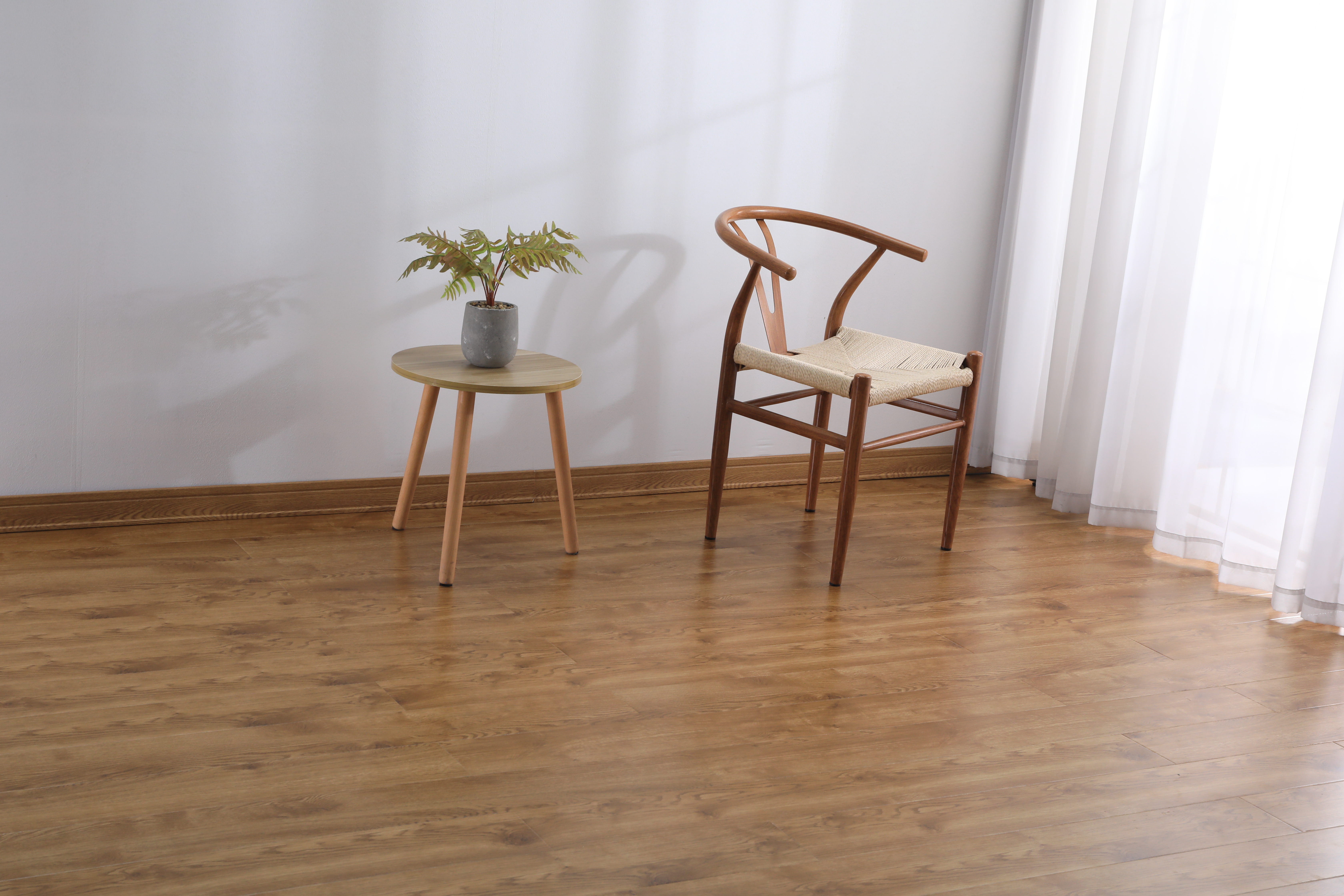
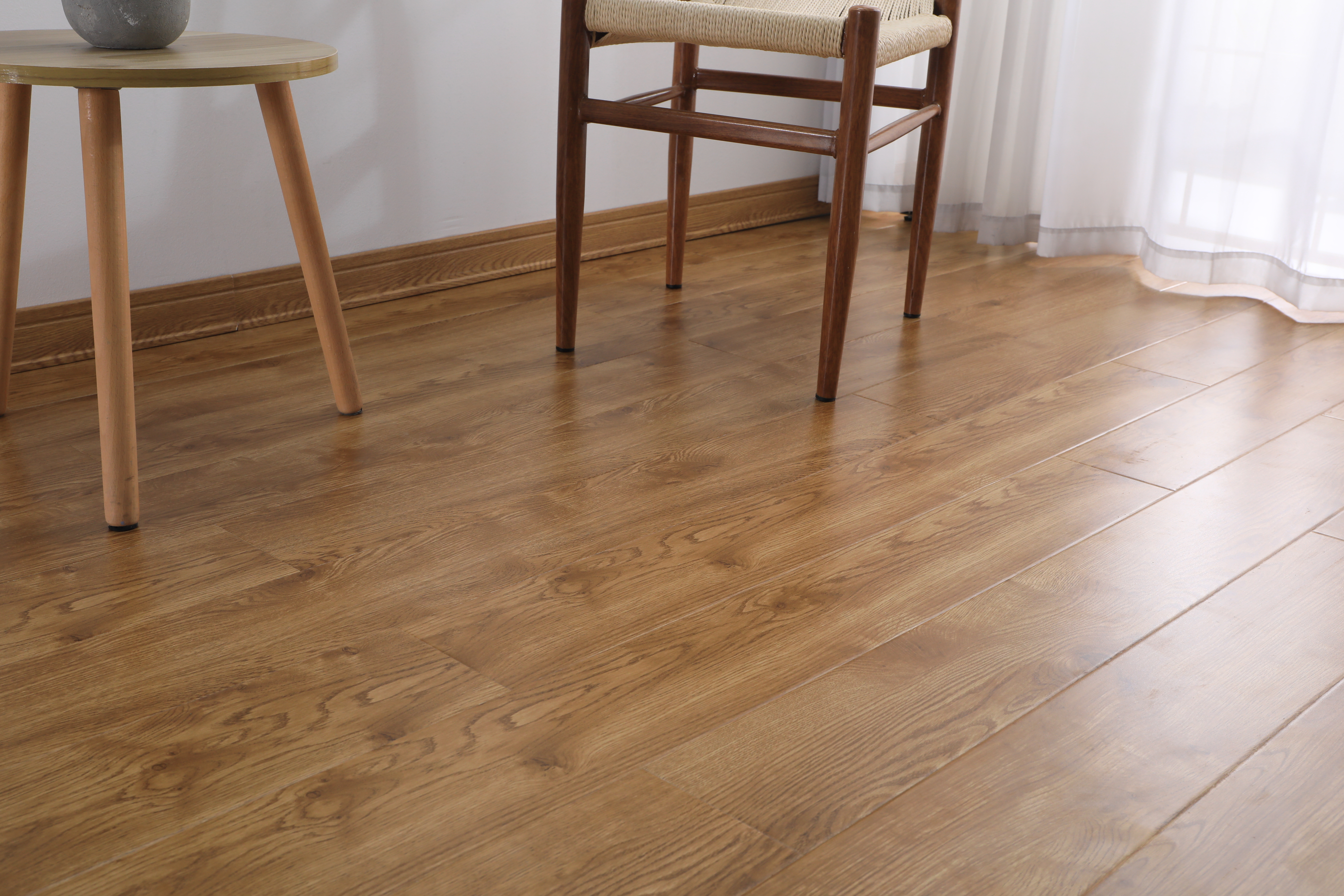
Hardwood baseboards are milled from solid timber such as oak, ash, maple or walnut, then fixed at the wall-floor junction. Andiwilson reviews species, profile, height, thickness, moisture content and finish before order. Illustrative specifications often use 15–20 mm thick boards, 90–200 mm high, in 2.4 m or 3 m lengths. Hardwood accepts staining and painting, and can be matched to skirting, architraves and flooring. End grain should be sealed before fitting. Acclimatisation and wall condition are agreed early. Suitability should be confirmed against current technical documents and site humidity rather than assumed for every room.
Get A Quote

Case Study

Heritage Townhouse with Oak Baseboards Matching Flooring

An illustrative heritage townhouse used 18 mm solid oak baseboards, 150 mm high, in a traditional torus profile. Profiles were machined to match existing architraves and finished with a hardwax oil to coordinate with the oak floor. Boards were acclimatised and end grain sealed before fixing. Fixing was secret-nail through a rebate into masonry plugs. A dry-fit sample checked the wall-floor junction before production. The owner agreed dry wiping and periodic oil inspection. Two spare lengths were retained. The brief addressed profile matching, finish compatibility and movement allowance.

Boutique Hotel Suites with Walnut Baseboards and Shadow Gap

An illustrative boutique hotel used 20 mm solid walnut baseboards, 120 mm high, with a shadow gap detail in 24 suites. Profiles were machined from American black walnut and supplied unfinished for site finishing. A dry-fit sample checked the gap against plaster and carpet levels. Fixing was adhesive and pin-nail into plasterboard, with joints set over studs. Works were phased by floor. Housekeeping agreed damp wiping and impact reporting. Two spare lengths per floor were stored. The brief focused on shadow-gap alignment, finish consistency and phased delivery.

Modern Apartment with Ash Baseboards Painted On Site

An illustrative modern apartment used 15 mm solid ash baseboards, 90 mm high, in a simple square-edge profile. Ash was chosen for stability under paint and a fine grain that does not telegraph through the finish. Boards were acclimatised and primed on all faces, including end grain, before fixing. Fixing was adhesive and pin-nail into plasterboard. A dry-fit sample checked door architrave alignment. The owner agreed damp wiping and touch-up paint. One spare length was retained. The brief addressed paint finish, end sealing and joint alignment.

Related products

Hardwood baseboards are linear profiles milled from solid timber, used to finish the wall-floor junction and protect plaster edges. Common species include oak, ash, maple and walnut, each with different grain, colour and movement behaviour. Andiwilson supports projects by reviewing species, profile, height, thickness, moisture content, fixing method and finish before order. Illustrative specifications often use 15–20 mm thick boards, 90–200 mm high, in 2.4 m or 3 m lengths. Profiles may be torus, chamfer, square edge or shadow gap, and can be machined to match existing architraves. Hardwood accepts stain, paint, oil and lacquer, but end grain should be sealed before fitting to limit moisture uptake. Acclimatisation and wall condition are agreed early. Fixing may be secret-nail, adhesive or plug-and-screw depending on substrate. Andiwilson provides care notes covering dry wiping, touch-up and periodic finish inspection. Performance depends on species, site humidity and maintenance, so project teams should confirm current technical documents and installation guidance before ordering.

Frequently Asked Questions

How do hardwood baseboards differ from MDF baseboards?

Hardwood is solid timber with natural grain and movement, while MDF is an engineered board with a uniform surface. Hardwood suits staining and heritage profiles; MDF suits painted finishes. Andiwilson advises comparing moisture behaviour, fixing method and finish requirements before choosing between them.
Yes, when species and finish are coordinated. Boards can be machined from the same species and finished to complement the floor. Andiwilson advises approving floor and baseboard samples together under room lighting, because grain and stain can vary between batches.
Hardwood can be stained, painted, oiled or lacquered. End grain should be sealed before fitting, and all faces primed where painting is planned. Andiwilson advises checking finish compatibility with the floor and current guidance before application, because some finishes darken or warm the timber.
Fixing may be secret-nail through a rebate, adhesive and pin-nail, or plug-and-screw into masonry. The method depends on substrate and profile weight. Andiwilson advises agreeing fixing details and current guidance before installation to avoid damage and ensure neat joints.
Yes, timber responds to humidity. Boards should be conditioned in the room before fitting, with moisture content checked against site conditions. Andiwilson advises confirming acclimatisation requirements and expansion allowances in the current documents before delivery, especially where heating or air conditioning runs.

Related article

What Makes Compact Laminate the Ultimate Choice for High-Moisture Environments?

29

Sep

What Makes Compact Laminate the Ultimate Choice for High-Moisture Environments?

The Failure Point Is Almost Never the Face Most moisture damage in built environments does not start on the visible surface. It starts at a cut edge, a drilled hole, a seam, or a junction where one material meets another. A laminate-faced MDF board...
View More
Why Should Designers Use Custom Textured Wall Panels for Feature Walls?

07

Oct

Why Should Designers Use Custom Textured Wall Panels for Feature Walls?

A Feature Wall Is a Working Surface, Not a Backdrop Designers often choose a feature wall from a rendering first. A bold texture or metallic finish looks convincing in perspective, then the built wall reveals problems the image never showed: glare fr...
View More
How Do Exterior Wall Laminated Panels Help Reduce Carbon Footprint in Construction?

12

Oct

How Do Exterior Wall Laminated Panels Help Reduce Carbon Footprint in Construction?

The Carbon Argument Starts With How Little Aluminium Goes Into the Panel A laminated exterior panel is not a thin coat of paint over a solid metal sheet. It is a sandwich. Two thin aluminium skins sit on either side of a core that does most of the di...
View More
A Complete Guide to Choosing the Right Exterior Wall Laminated Panels for Your Next Project.

23

Oct

A Complete Guide to Choosing the Right Exterior Wall Laminated Panels for Your Next Project.

Fire Classification Comes Before Aesthetics Specifying exterior wall laminated panels for a new project usually begins with a finish sample, a color, and a profile. That order is risky. A facade panel on a commercial building is part of a life safety...
View More

Hardwood Baseboard Specification Notes

Laura Chen

An illustrative heritage townhouse specification note described 18 mm solid oak baseboards, 150 mm high, in a torus profile matched to existing architraves. Boards were acclimatised and end grain sealed before secret-nail fixing into masonry plugs. A dry-fit sample checked the wall-floor junction. The owner agreed dry wiping and periodic oil inspection, and two spare lengths were retained. The note addressed profile matching, finish compatibility and movement allowance, with suitability checked against current technical documents.

James Patel

An illustrative boutique hotel specification note described 20 mm solid walnut baseboards, 120 mm high, with a shadow gap in 24 suites. Profiles were supplied unfinished for site finishing, and a dry-fit sample checked gap alignment against plaster and carpet levels. Fixing was adhesive and pin-nail into plasterboard. Housekeeping agreed damp wiping and impact reporting. Two spare lengths per floor were stored. The note focused on shadow-gap alignment, finish consistency and phased delivery.

Get a Free Quote

Our representative will contact you soon.
Email
Mobile/WhatsApp
Name
Company Name
Message
0/1000
Species, Grain and Profile Selection

Species, Grain and Profile Selection

Hardwood baseboards can be machined from oak, ash, maple or walnut, each with different grain, colour and movement. Profile choice affects visual weight and matching with architraves. Andiwilson discusses species, profile and dry-fit samples before order. In an illustrative townhouse, a torus profile was machined to match existing joinery. The aim is an informed appearance choice, not a promise that every board will match exactly. Current samples and technical documents should be confirmed before ordering.
Matching Baseboards to Floors and Architraves

Matching Baseboards to Floors and Architraves

Baseboards read as part of the room's joinery, so height, profile and finish should relate to floors and architraves. Andiwilson discusses height, shadow gaps and finish samples before specification. In an illustrative hotel project, walnut baseboards were dry-fitted to check a shadow gap against carpet and plaster. In an apartment, ash boards were checked against door architraves. The aim is a balanced junction, not a universal height. Site measurements should always be verified before production.
End Sealing, Fixing and Finish Care

End Sealing, Fixing and Finish Care

End grain and cut edges on hardwood baseboards should be sealed before fitting to limit moisture uptake. Andiwilson discusses priming, fixing method and touch-up before installation. In an illustrative apartment, ash boards were primed on all faces, including end grain, before adhesive and pin-nail fixing. In a heritage project, oak boards were secret-nailed through a rebate. These details support neat joints and finish durability. Current guidance and site conditions should be confirmed before work begins.
onlineONLINE