Square Parquet Flooring: Geometric Layouts & Installation Guide

Get a Free Quote

Our representative will contact you soon.
Email
Mobile/WhatsApp
Name
Company Name
Message
0/1000

Andiwilson Square Parquet Flooring for Geometric Interior Layouts

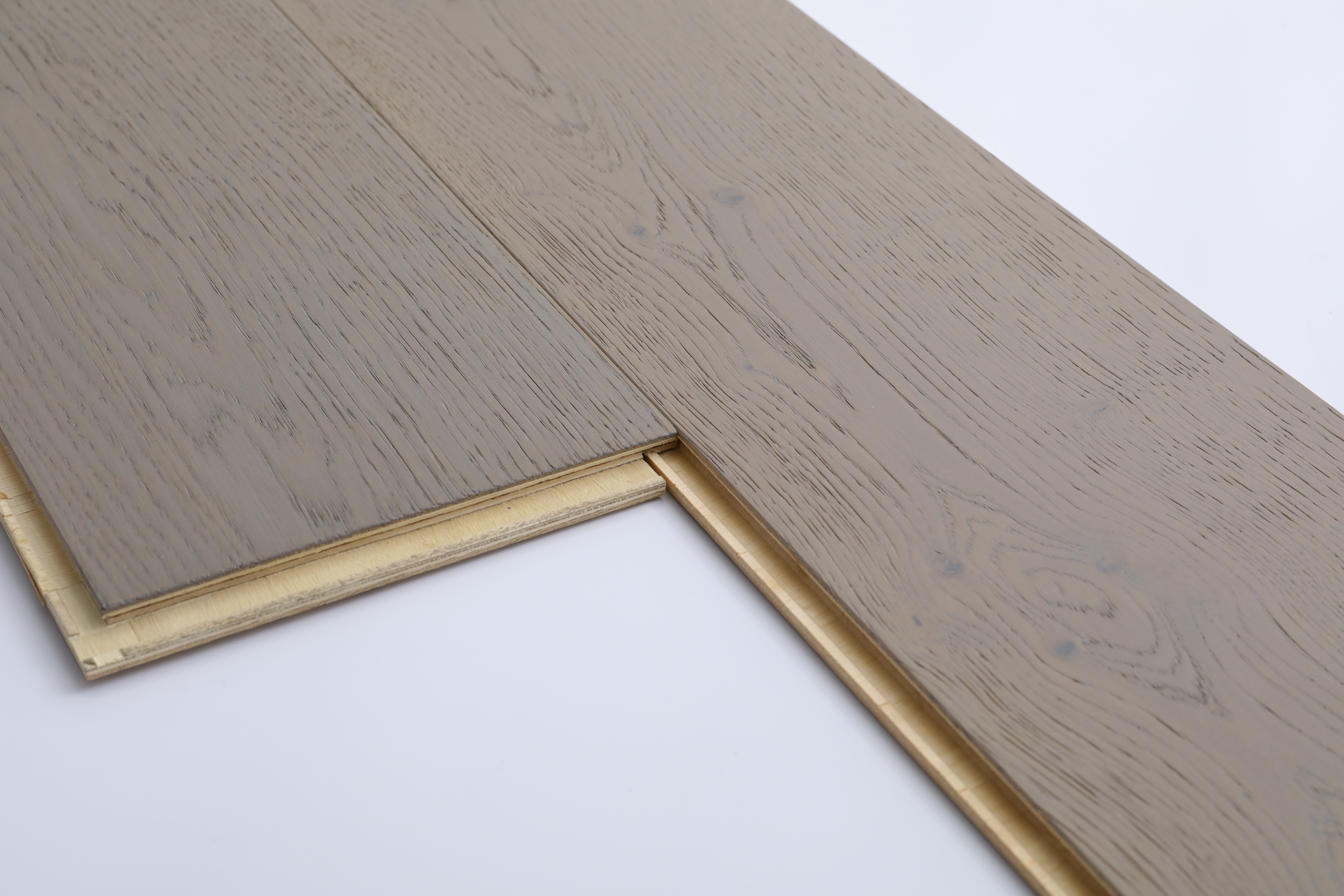
Square parquet modules suit foyers, galleries and dining rooms where a geometric layout is wanted without laying individual strips on site. Andiwilson reviews module size, pattern, species, thickness and backing before specification. Illustrative schemes often use 300–500 mm square units, 15–20 mm thick, in oak or walnut. A dry-lay grid helps check borders and pattern alignment. Subfloor flatness, adhesive choice and humidity are agreed early. Finish samples are reviewed under room lighting. Suitability should be confirmed against current technical documents and site conditions.
Get A Quote

Case Study

Boutique Hotel Foyer with Versailles-Style Square Modules

An illustrative hotel foyer used 400 mm square oak modules in a Versailles-style layout across 70 m². Modules were dry-laid on a set-out grid to check borders and centre alignment before glue-down over a levelled screed. A matte hardwax oil reduced glare from chandeliers. The contractor checked subfloor moisture and acclimatised modules before fitting. Housekeeping agreed damp wiping and prompt spill removal. Two spare modules were stored for repairs. The brief focused on geometric accuracy, border detailing and finish maintenance, with suitability checked against current technical documents.

Art Gallery Reception with Geometric Square Parquet

An illustrative gallery reception used 300 mm square walnut modules in a geometric pattern across 45 m². Modules were glue-down over concrete with a vapour barrier after a dry-lay checked pattern orientation and shade variation. A matte oil finish was chosen to reduce reflections near artwork. Humidity was monitored during the first heating season. The curator agreed dry mopping and periodic oil inspection. Two spare modules were retained. The brief addressed pattern accuracy, shade blending and reflection control, with suitability confirmed against current documents and site conditions.

Residential Dining Room with Basket-Weave Square Blocks

An illustrative residential dining room used 500 mm square oak modules in a basket-weave pattern across 28 m². Modules were glue-down over plywood after a dry-lay checked grid lines and border width. Underfloor heating compatibility was confirmed before adhesive selection. The owner agreed dry mopping and felt pads under chairs. Perimeter gaps were concealed with skirting. Two spare modules were stored for future repairs. The brief focused on pattern balance, heating compatibility and maintenance planning, with suitability checked against current technical documents and installation guidance.

Related products

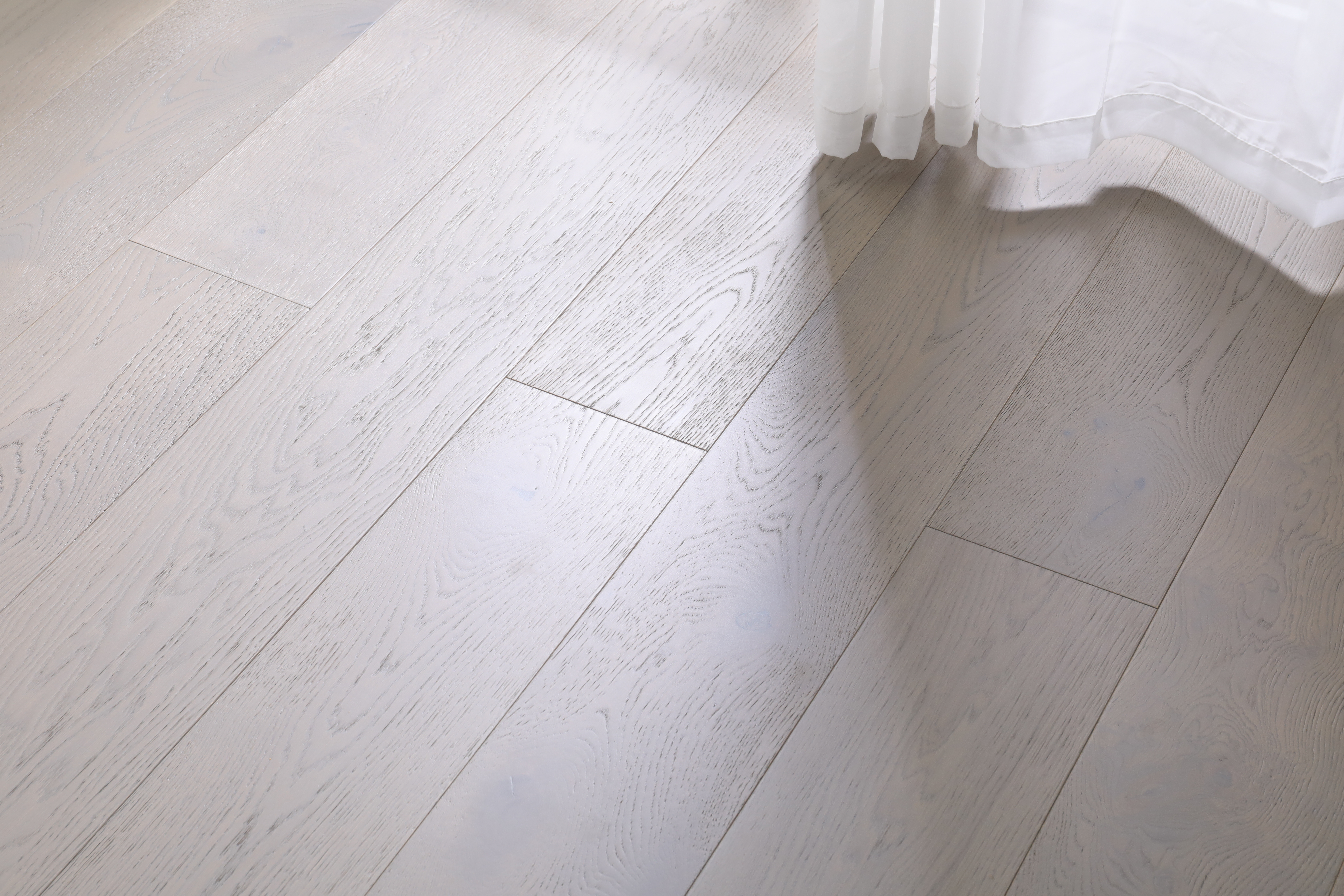
Square parquet flooring is assembled from small timber strips arranged into square modules, often 300–500 mm across and 15–20 mm thick. The strips may be held by a paper or mesh backing, which allows the module to be laid as a single unit. Common patterns include Versailles, basket weave, checkerboard and geometric designs. Andiwilson reviews module size, pattern, species, backing, thickness and adhesive before order. Installation usually begins with a set-out grid from the room centre or a focal wall, followed by a dry-lay to check borders and pattern alignment. Modules are then glue-down over a flat, dry subfloor, with a vapour barrier where required. Sanding and site finishing can follow, and finish samples are reviewed under room lighting. Humidity control and subfloor moisture checks matter because timber moves. Andiwilson provides care notes covering dry mopping, neutral cleaner and periodic finish inspection. Performance depends on module construction, site conditions and maintenance, so project teams should confirm current technical documents and installation guidance before ordering.
Frequently Asked Questions

What is square parquet flooring?

Square parquet flooring is made from small timber strips assembled into square modules, usually 300–500 mm across and 15–20 mm thick. Modules are laid as units, which can simplify pattern work. Andiwilson advises checking module size, backing, species and current technical documents before specification.
Common patterns include Versailles, basket weave, checkerboard and geometric designs. Pattern choice affects cutting, set-out and visual scale. Andiwilson recommends a dry-lay sample and room measurements before ordering, because borders and focal walls influence how the pattern reads. Current guidance should be confirmed.
Modules are usually glue-down over a flat, dry subfloor after a set-out grid and dry-lay. A vapour barrier may be required over concrete. Andiwilson advises checking adhesive, subfloor moisture and current installation guidance before work begins, because square modules need consistent support across the backing.
Some square parquet modules suit low-temperature underfloor heating when confirmed by the manufacturer. Heating should be commissioned gradually, and surface limits checked. Andiwilson advises reviewing module thickness, adhesive and current technical documents before specification, because not every parquet module is suitable for heated floors.
Routine care usually involves dry mopping and occasional damp wiping with a neutral cleaner. Avoid wet mopping and abrasive products. Felt pads and entrance matting help reduce marks. Andiwilson provides care notes, but finishes and cleaning products should be checked against the selected system and current recommendations.

Related article

Prefabricated Modular Walls Take Another Leap Forward! Integrated Invisible Door Solutions Redefine the Boundaries of Spatial Aesthetics and Practicality

26

Jul

Prefabricated Modular Walls Take Another Leap Forward! Integrated Invisible Door Solutions Redefine the Boundaries of Spatial Aesthetics and Practicality

View More
Why Should Designers Use Custom Textured Wall Panels for Feature Walls?

07

Oct

Why Should Designers Use Custom Textured Wall Panels for Feature Walls?

A Feature Wall Is a Working Surface, Not a Backdrop Designers often choose a feature wall from a rendering first. A bold texture or metallic finish looks convincing in perspective, then the built wall reveals problems the image never showed: glare fr...
View More
How Do Exterior Wall Laminated Panels Help Reduce Carbon Footprint in Construction?

12

Oct

How Do Exterior Wall Laminated Panels Help Reduce Carbon Footprint in Construction?

The Carbon Argument Starts With How Little Aluminium Goes Into the Panel A laminated exterior panel is not a thin coat of paint over a solid metal sheet. It is a sandwich. Two thin aluminium skins sit on either side of a core that does most of the di...
View More
A Complete Guide to Choosing the Right Exterior Wall Laminated Panels for Your Next Project.

23

Oct

A Complete Guide to Choosing the Right Exterior Wall Laminated Panels for Your Next Project.

Fire Classification Comes Before Aesthetics Specifying exterior wall laminated panels for a new project usually begins with a finish sample, a color, and a profile. That order is risky. A facade panel on a commercial building is part of a life safety...
View More

Square Parquet Flooring Planning Notes

Laura Chen

An illustrative hotel foyer planning note described 400 mm square oak modules in a Versailles-style layout across 70 m². Modules were dry-laid on a set-out grid to check borders and centre alignment before glue-down over a levelled screed. A matte hardwax oil reduced glare from chandeliers. Subfloor moisture was checked, and housekeeping agreed damp wiping and prompt spill removal. Two spare modules were stored. The note focused on geometric accuracy, border detailing and finish maintenance, with suitability checked against current technical documents.

James Patel

An illustrative gallery reception note described 300 mm square walnut modules in a geometric pattern across 45 m². Modules were glue-down over concrete with a vapour barrier after a dry-lay checked pattern orientation and shade variation. A matte oil finish reduced reflections near artwork. Humidity was monitored during the first heating season, and the curator agreed dry mopping and periodic oil inspection. Two spare modules were retained. The note addressed pattern accuracy, shade blending and reflection control, with suitability confirmed against current documents and site conditions.

Get a Free Quote

Our representative will contact you soon.
Email
Mobile/WhatsApp
Name
Company Name
Message
0/1000
Modular Set-Out and Pattern Alignment

Modular Set-Out and Pattern Alignment

Square parquet depends on a clear set-out grid and border decision. Andiwilson discusses module size, room proportions and focal walls before order. In an illustrative hotel foyer, 400 mm modules were dry-laid on a grid to check centre alignment and border width before glue-down. The aim is a balanced pattern, not a universal starting point. Dry-lay also helps identify cutting waste. Current layout guidance and site measurements should be confirmed before work begins.
Square Block Thickness and Subfloor Support

Square Block Thickness and Subfloor Support

Square module thickness and subfloor support affect how a parquet floor performs. Andiwilson discusses thickness, backing and adhesive before specification. In an illustrative residential dining room, 500 mm oak modules were glue-down over plywood, with underfloor heating compatibility confirmed first. Consistent support across each module helps reduce movement and hollow spots. Adhesive choice should match the backing and subfloor. Site conditions and current installation guidance should always be confirmed before work begins.
Finish and Humidity Control for Parquet Modules

Finish and Humidity Control for Parquet Modules

Finish and humidity control matter for square parquet modules because timber moves. Andiwilson discusses finish type, humidity targets and maintenance before order. In an illustrative gallery reception, a matte oil finish reduced reflections near artwork, and humidity was monitored during the first heating season. Dry mopping and periodic oil inspection were agreed. The aim is stable appearance, not a guarantee against all movement. Site humidity and finish guidance should be checked.
onlineONLINE