Waterproof Engineered Hardwood Flooring: B2B Guide

Get a Free Quote

Our representative will contact you soon.
Email
Mobile/WhatsApp
Name
Company Name
Message
0/1000

Andiwilson Waterproof Engineered Hardwood Flooring for Splash-Prone Interiors

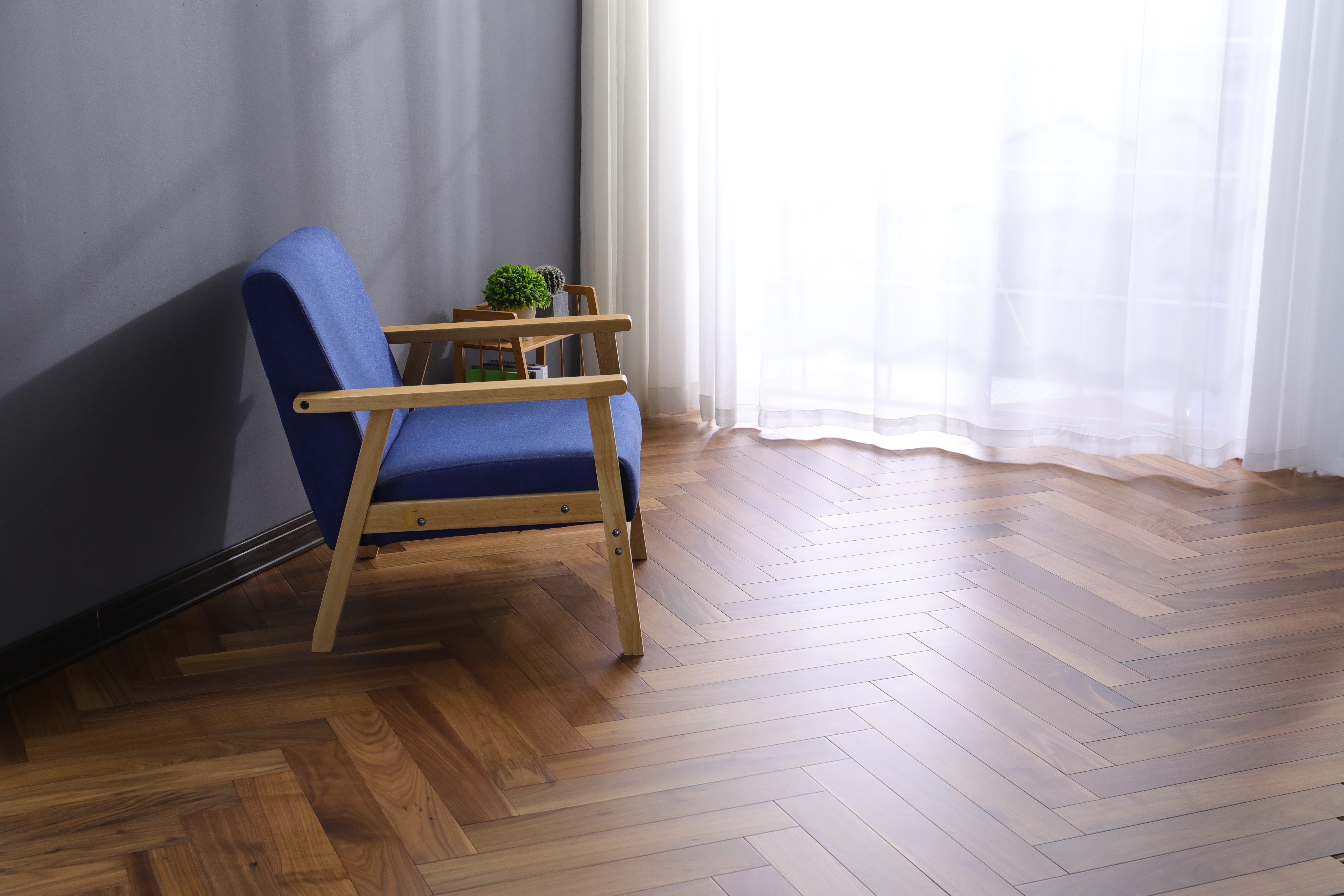
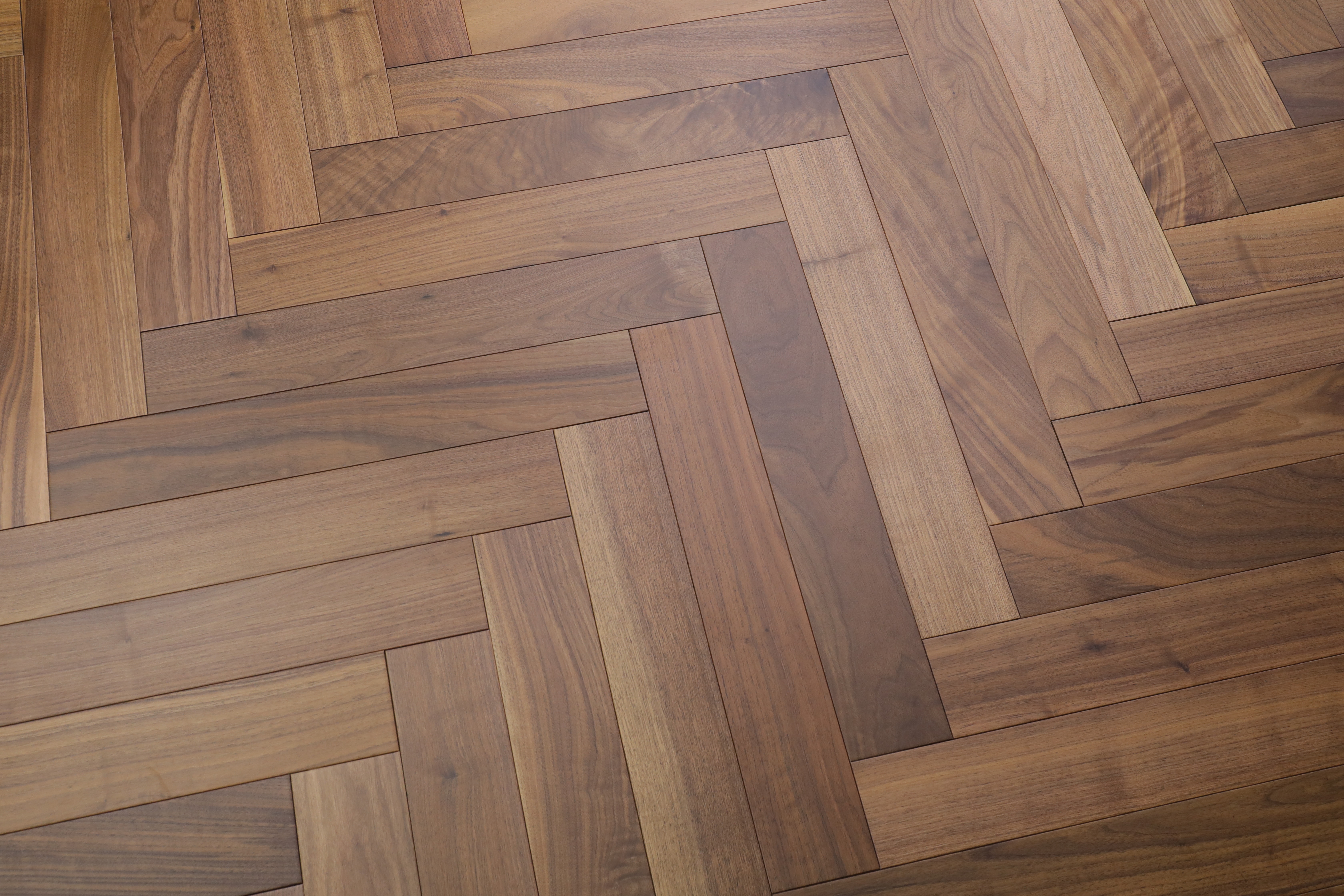
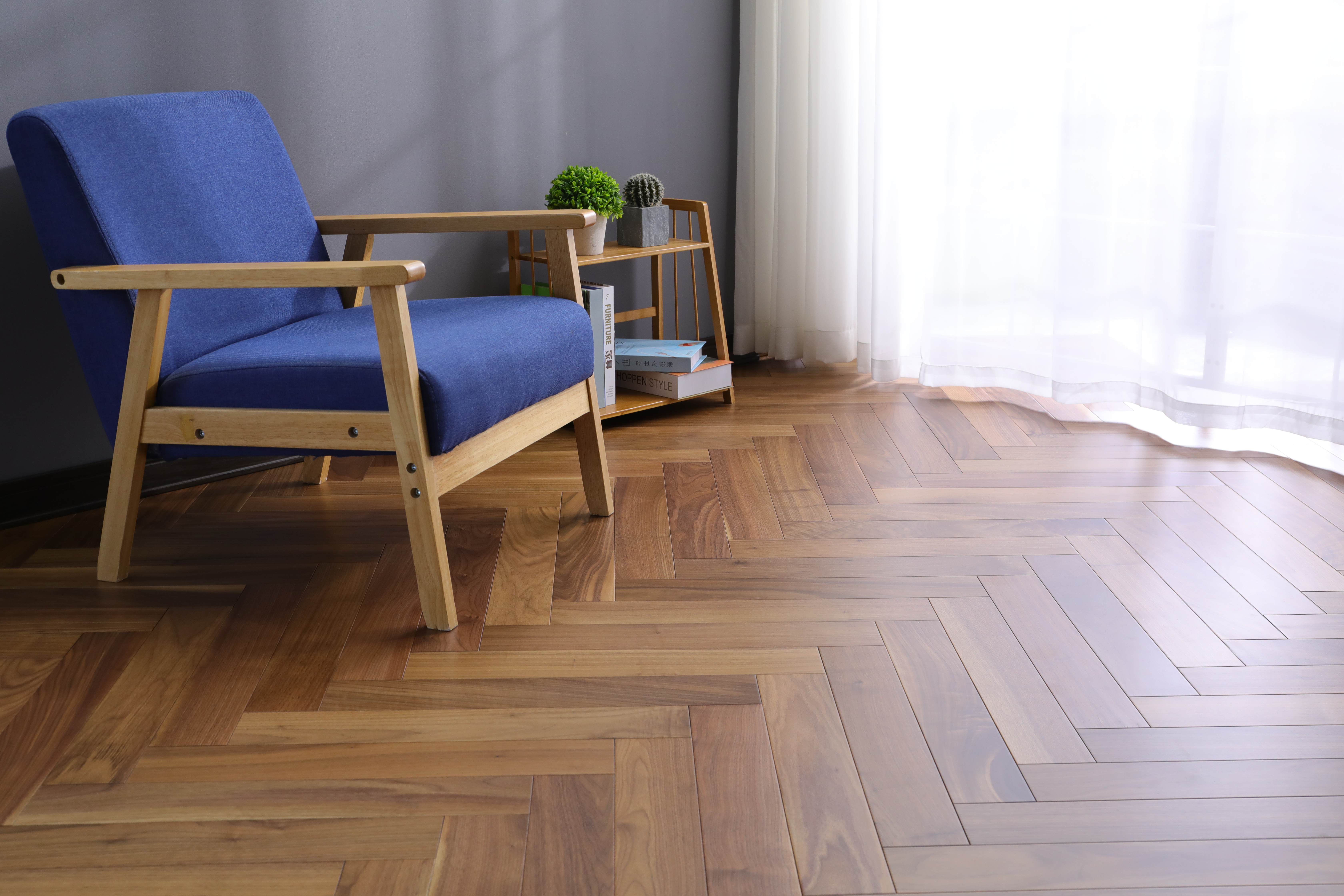
Waterproof engineered hardwood combines a hardwood wear layer with a stabilised plywood or HDF core and sealed edges. The term usually means the core and joint system resist occasional moisture better than standard engineered boards, not that the floor suits standing water. Andiwilson reviews core type, wear layer, edge seal and finish before specification. Illustrative projects include spa reception areas, laundry rooms and basement bars. Sealed pipe collars and prompt spill removal are agreed early. Suitable for dry zones and occasional splashes, not shower floors.
Get A Quote

Case Study

Spa Reception and Towel Area

An illustrative spa reception used 14 mm waterproof engineered oak boards across 38 m², including a towel collection zone. The stabilised core and sealed edges were chosen for damp towels and foot traffic. Boards were acclimatised and glue-down over a levelled screed with a vapour barrier. Pipe collars were sealed. A matte lacquer was chosen for wiping. Staff agreed prompt towel-drying of splashes and dry mopping. Two spare boards were stored. The brief focused on moisture awareness, joint sealing and easy cleaning, with suitability checked against current technical documents.

Laundry Room with Appliance Leak Awareness

An illustrative laundry room used 12 mm waterproof engineered hickory boards across 16 m². The core and sealed joint system were selected for occasional appliance leaks. Boards were floated over a moisture-resistant underlay with a vapour barrier. A dry-lay checked shade variation before fitting. Appliance legs were fitted with pads, and perimeter gaps were sealed at cabinetry. The household agreed prompt leak reporting and damp wiping. One spare bundle was retained. The brief addressed edge protection, transition sealing and simple upkeep, with suitability confirmed against current documents.

Basement Bar with Sealed Perimeter

An illustrative basement bar used 15 mm waterproof engineered walnut boards across 28 m². The floor met a tiled utility area at a sealed transition. Boards were glue-down over concrete with a vapour barrier after moisture checks. A dry-lay checked grain and shade before fitting. Perimeter gaps were sealed at the bar cabinetry, and pipe collars were sealed. The owner agreed dry mopping and prompt spill removal. Two spare boards were stored. The brief focused on moisture variation, edge sealing and finish care, with suitability checked against current technical documents.

Related products

Waterproof engineered hardwood flooring pairs a hardwood wear layer with a stabilised plywood or HDF core and treated edges or sealed joints. The waterproof claim usually means the core resists moisture better than standard boards, and the joint system limits water ingress, but seams, perimeter gaps and pipe collars still need sealing. Andiwilson reviews wear layer, core, edge treatment and finish before order. Illustrative projects use 12–15 mm boards in spa receptions, laundry rooms and basement bars. Installation may be floating, glue-down or staple-down, with a vapour barrier where required. Acclimatisation and subfloor moisture checks are agreed. Prompt spill removal and damp wiping remain essential. Planks can be labelled by room and spare boards retained. Andiwilson provides care notes covering neutral-detergent cleaning and edge inspection. Performance depends on core quality, sealing and maintenance, so project teams should confirm current technical documents and installation guidance before ordering.
Frequently Asked Questions

Is waterproof engineered hardwood fully waterproof?

No. The term usually means the core and joint system resist occasional moisture better than standard engineered boards. Seams, edges and pipe collars still need sealing. Andiwilson advises prompt spill removal and checking current technical documents before use in splash-prone areas.
It can suit spa receptions, laundry rooms, basement bars and bathroom dry zones when the product data supports the use. Shower floors and continuously wet areas need separate flooring. Andiwilson advises checking subfloor moisture, edge sealing and current installation guidance before specification.
Plywood and HDF cores are common. Some products use moisture-resistant adhesives or stabilised cores to limit swelling. Andiwilson advises comparing core construction, edge treatment and current technical documents rather than assuming every engineered board behaves the same way.
Routine care usually involves dry mopping and occasional damp wiping with a neutral cleaner. Avoid wet mopping, steam cleaners and abrasive pads unless product guidance permits them. Prompt spill removal helps protect seams and edges. Andiwilson provides care notes, but products should be checked against the selected finish.
It depends on wear layer thickness. Thicker wear layers may allow light sanding, but refinishing can affect sealed edges. Andiwilson advises checking current guidance and using an experienced contractor before scheduling work, because the waterproof system and finish may limit refinishing options.

Related article

Quartz Fiber Board for Medical and Commercial Buildings: A New Generation of A-Class Fireproof Decorative Wall Panels

30

Jul

Quartz Fiber Board for Medical and Commercial Buildings: A New Generation of A-Class Fireproof Decorative Wall Panels

View More
Why Should Designers Use Custom Textured Wall Panels for Feature Walls?

07

Oct

Why Should Designers Use Custom Textured Wall Panels for Feature Walls?

A Feature Wall Is a Working Surface, Not a Backdrop Designers often choose a feature wall from a rendering first. A bold texture or metallic finish looks convincing in perspective, then the built wall reveals problems the image never showed: glare fr...
View More
How Do Exterior Wall Laminated Panels Help Reduce Carbon Footprint in Construction?

12

Oct

How Do Exterior Wall Laminated Panels Help Reduce Carbon Footprint in Construction?

The Carbon Argument Starts With How Little Aluminium Goes Into the Panel A laminated exterior panel is not a thin coat of paint over a solid metal sheet. It is a sandwich. Two thin aluminium skins sit on either side of a core that does most of the di...
View More
How to Choose the Right High Pressure Laminate Finish for Your Interior Surfaces?

19

Oct

How to Choose the Right High Pressure Laminate Finish for Your Interior Surfaces?

Start With the Wear Layer, Not the Color Card High pressure laminate finish selection often begins with a color card and a visual preference. That sequence is backward. The finish on an HPL surface is a performance layer before it is a decorative lay...
View More

Waterproof Engineered Hardwood Planning Notes

Laura Chen

An illustrative spa reception note described 14 mm waterproof engineered oak boards across 38 m², including a towel collection zone. The stabilised core and sealed edges were chosen for damp towels. Boards were acclimatised and glue-down over a levelled screed with a vapour barrier. Pipe collars were sealed, and a matte lacquer was chosen for wiping. Staff agreed prompt towel-drying of splashes and dry mopping. Two spare boards were stored. The note focused on moisture awareness, joint sealing and easy cleaning, with suitability checked against current technical documents.

James Patel

An illustrative laundry room note described 12 mm waterproof engineered hickory boards across 16 m². The core and sealed joint system were selected for occasional appliance leaks. Boards were floated over moisture-resistant underlay with a vapour barrier, and appliance legs received pads. Perimeter gaps were sealed at cabinetry. The household agreed prompt leak reporting and damp wiping, and one spare bundle was retained. The note addressed edge protection, transition sealing and simple upkeep, with suitability confirmed against current documents.

Get a Free Quote

Our representative will contact you soon.
Email
Mobile/WhatsApp
Name
Company Name
Message
0/1000
Core Moisture Resistance and Edge Sealing

Core Moisture Resistance and Edge Sealing

Waterproof engineered hardwood relies on a moisture-resistant core and sealed edges to limit swelling from occasional splashes. Andiwilson discusses core type, edge treatment and joint seal before specification. In an illustrative laundry room, a stabilised core and sealed perimeter gaps were chosen for appliance leak awareness. These details support moisture resistance but do not make the floor suitable for standing water. Current technical documents and sealing guidance should be confirmed before ordering.
Sealing Pipe Collars and Perimeter Gaps

Sealing Pipe Collars and Perimeter Gaps

Water tracking at pipe collars and perimeter gaps can affect engineered hardwood in splash-prone rooms. Andiwilson discusses sealant, profiles and expansion gaps before installation. In an illustrative spa reception, pipe collars were sealed and a matte lacquer was chosen for wiping. These details support moisture awareness but need periodic inspection. Damaged sealant should be repaired promptly. Current installation guidance and suitable sealant types should be confirmed before work begins.
Acclimatisation and Subfloor Moisture Checks

Acclimatisation and Subfloor Moisture Checks

Engineered boards still respond to humidity, so acclimatisation and subfloor moisture checks matter before installation. Andiwilson advises checking concrete moisture, interior conditions and board moisture before fitting. In an illustrative basement bar, boards were acclimatised and glue-down over concrete with a vapour barrier. Expansion gaps were sealed at cabinetry. These steps support dimensional stability but do not remove the need for humidity control. Site conditions and current installation guidance should always be confirmed before work begins.
onlineONLINE