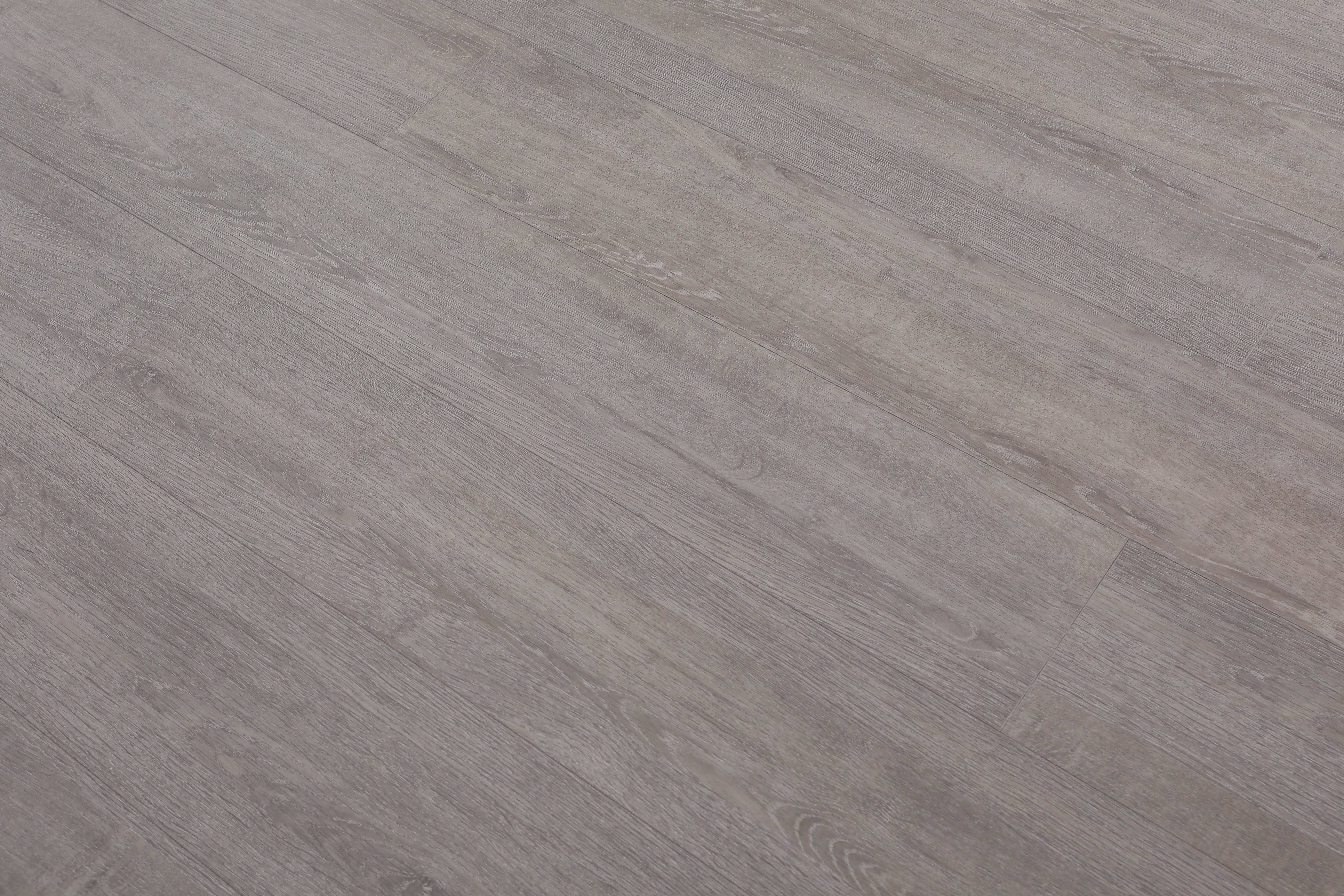
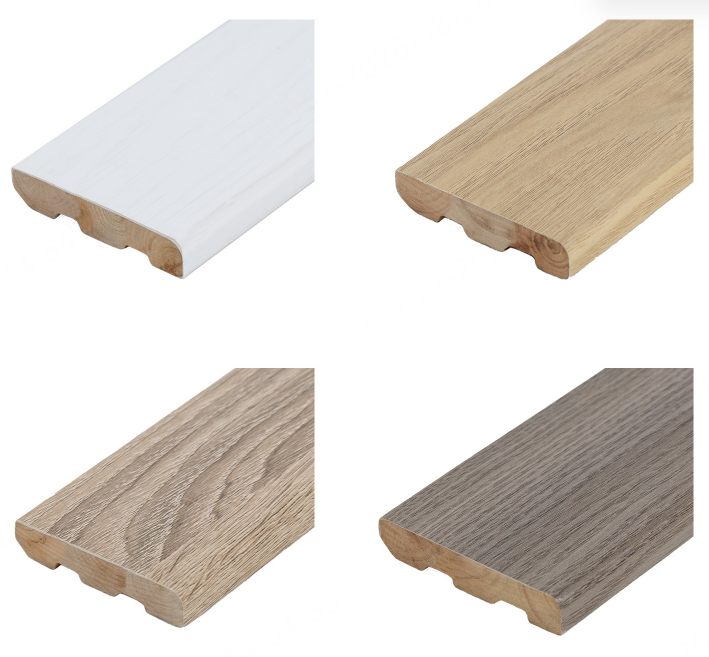
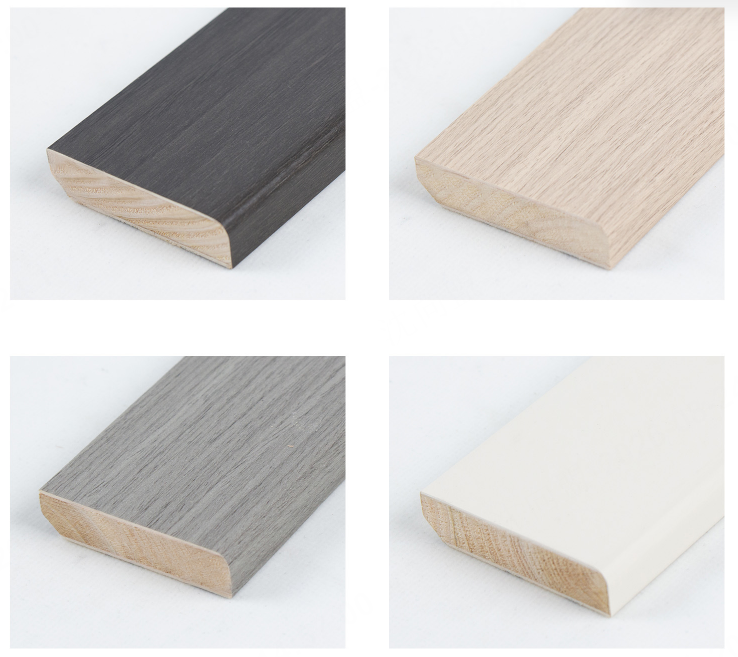
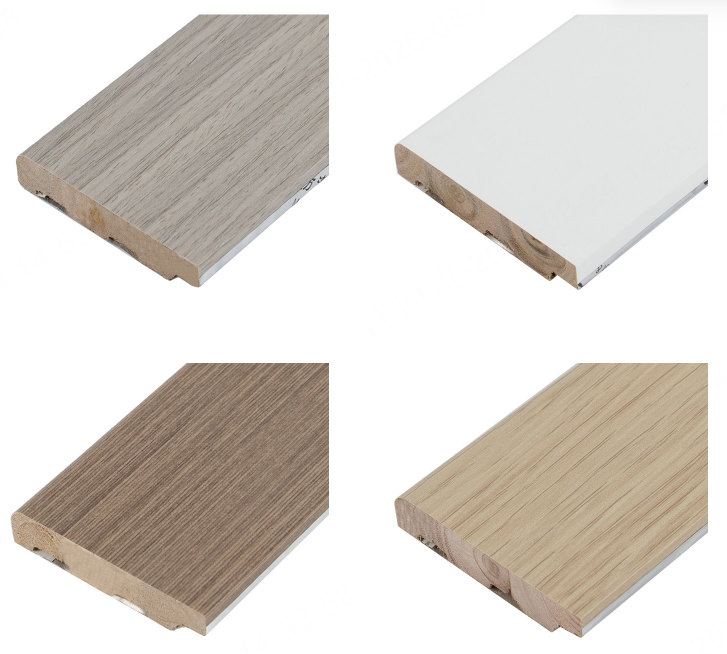
WPC LVT Flooring for Moisture-Prone Interiors [Case Studies]

Get a Free Quote

Our representative will contact you soon.
Email
Mobile/WhatsApp
Name
Company Name
Message
0/1000

Andiwilson WPC LVT Flooring for Moisture-Prone Interiors

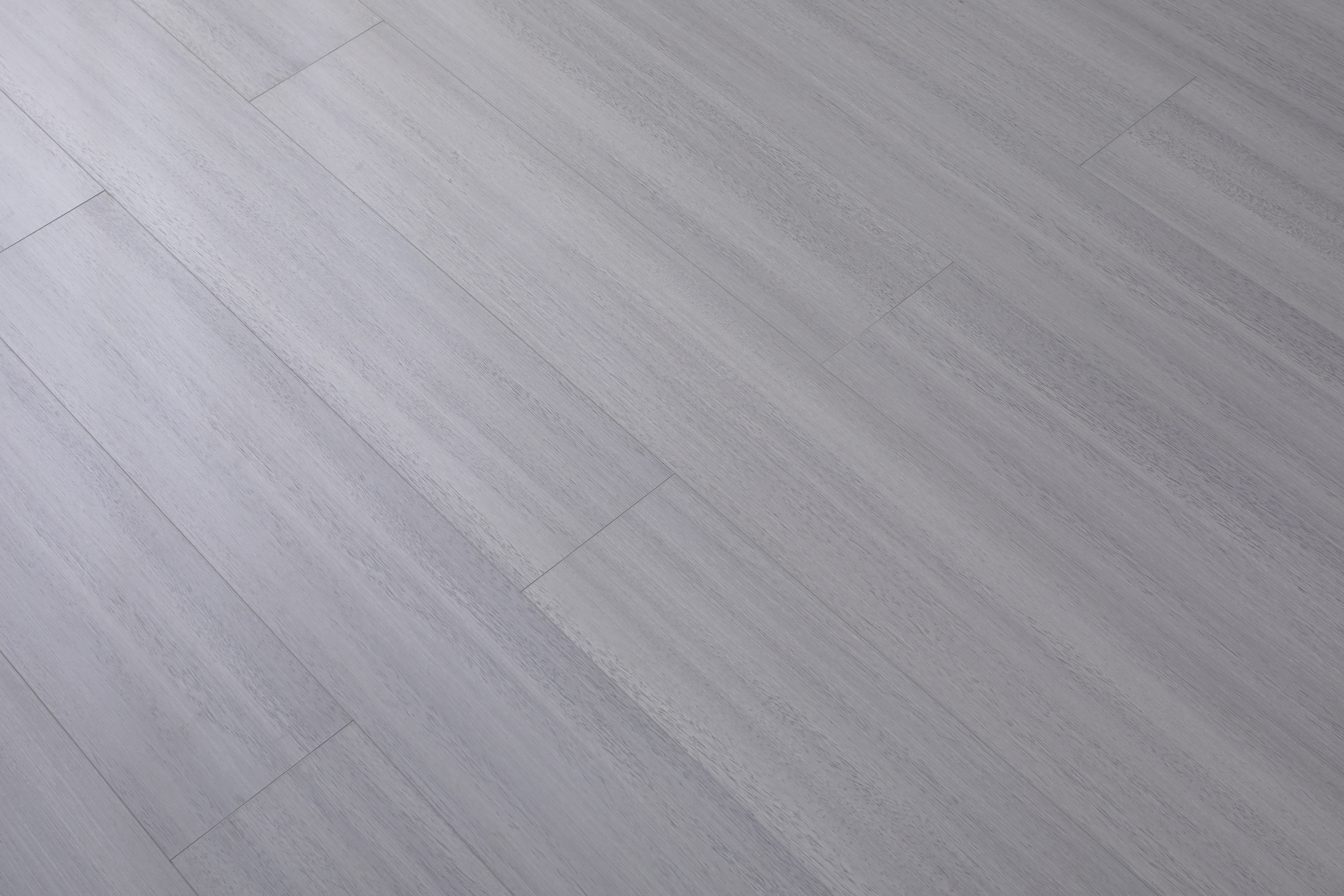
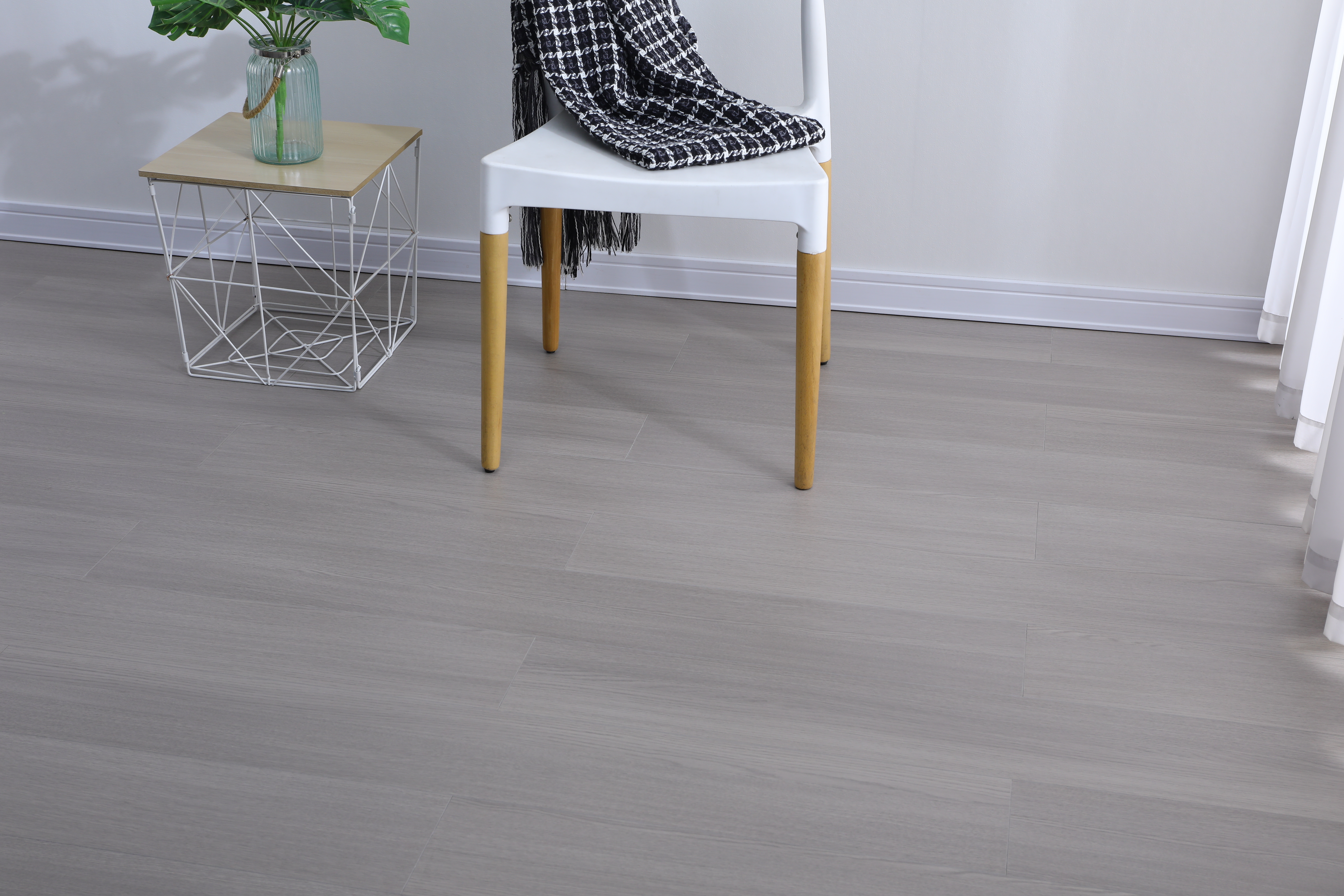
WPC LVT flooring combines a rigid wood-plastic composite core with a luxury vinyl wear layer and click edges. Andiwilson reviews core density, wear layer, underlay and subfloor flatness before specification. In an illustrative 26 m² clinic washroom and corridor, 5 mm planks with a 0.5 mm wear layer were laid over a vapour barrier. The rigid core helped bridge minor subfloor variation, while sealed perimeter gaps addressed splashes. Staff agreed damp mopping and prompt spill removal. Suitability should be confirmed against current technical data and room conditions rather than assumed for every wet area.
Get A Quote

Case Study

Dental Clinic Washroom and Corridor

An illustrative dental clinic used 5 mm WPC LVT planks with a 0.5 mm wear layer across a 26 m² washroom and corridor. A vapour barrier was laid over concrete, and perimeter gaps were sealed at basin units. The rigid core helped reduce subfloor preparation compared with flexible LVT. Planks were conditioned before clicking together. Cleaning staff agreed damp mopping with neutral cleaner and prompt spill removal. One spare pack was stored. The brief focused on moisture tolerance, joint stability and simple maintenance, with suitability checked against current technical data and installation guidance.

Hotel Bathroom Dry Zone and Dressing Area

An illustrative hotel refurbishment used 6 mm WPC LVT planks in a stone-effect decor across a 9 m² bathroom dry zone and dressing area. The shower remained tiled, with a sealed threshold strip separating wet and dry zones. A moisture-resistant underlay was combined with a vapour barrier. Planks were acclimatised before installation and expansion gaps were left at fixed joinery. Housekeeping agreed dry mopping and prompt towel-dry of splashes. Two spare planks were retained. The brief addressed humidity, edge sealing and maintenance planning, with performance confirmed against the selected grade and current guidance.

Cafe Kitchen Threshold and Staff Break Area

An illustrative cafe used 5 mm WPC LVT planks across a 14 m² staff break area and kitchen threshold. The rigid core was selected for rolling trolley traffic and occasional spills. A transition strip separated the LVT from the tiled kitchen floor, and perimeter gaps were sealed at fixed counters. Planks were conditioned and laid over a foam underlay with a vapour barrier. Staff agreed damp mopping and prompt spill wiping. Two spare packs were stored for repairs. The brief prioritised moisture tolerance, joint stability and manageable replacement, with suitability checked against current data.

Related products

WPC LVT flooring pairs a rigid wood-plastic composite core with a luxury vinyl wear layer and click edges. The core gives dimensional stability and can tolerate minor subfloor variation, while the vinyl surface provides the decor and wear layer. Andiwilson supports projects by reviewing core density, wear layer thickness, underlay, vapour barrier and subfloor flatness before order. Illustrative specifications may use 5 mm planks in clinic washrooms and cafe break areas, or 6 mm planks in hotel bathroom dry zones. Installation typically involves acclimatisation, flatness checks, perimeter expansion gaps and sealed edges at fixed fixtures. A transition strip can separate WPC LVT from tiled wet zones. Prompt spill removal and damp mopping help maintain appearance. Planks can be labelled by room and spare packs retained for repairs. Andiwilson provides care notes covering neutral-detergent cleaning and edge inspection. Performance depends on the selected grade, installation detail and maintenance, so project teams should confirm current technical data and guidance before ordering. This practical approach helps designers specify a moisture-aware floor without overstating waterproof performance.

Frequently Asked Questions

What is WPC LVT flooring?

It combines a rigid wood-plastic composite core with a luxury vinyl wear layer and click edges. The core adds stability, while the vinyl surface provides decor and wear resistance. Andiwilson advises checking core density, wear layer and current technical data before specifying it for kitchens, bathrooms or retail areas.
The WPC core is generally water-resistant, and the vinyl surface resists moisture. However, water can still enter at seams, edges and perimeter gaps if they are not sealed. Andiwilson advises prompt spill removal, sealed edges and confirmation of current product data rather than treating every installation as fully waterproof.
It can suit bathroom dry zones and vanity areas when edges and perimeter gaps are sealed and the product data supports the use. Shower floors and continuously wet zones need separate flooring. Andiwilson advises confirming layout, subfloor moisture and current installation guidance before specification.
The subfloor should be clean, dry and reasonably flat. Minor variation may be tolerated by the rigid core, but significant hollows or peaks should be levelled. A vapour barrier may be needed over concrete. Andiwilson advises checking flatness and current installation guidance before laying.
Routine care usually involves sweeping or dry mopping and occasional damp wiping with a neutral cleaner. Avoid wet mopping, steam cleaners and abrasive pads unless product guidance permits them. Prompt spill removal helps protect seams and edges. Andiwilson provides care notes, but cleaning products should be checked against the selected grade.

Related article

What Makes Compact Laminate the Ultimate Choice for High-Moisture Environments?

29

Sep

What Makes Compact Laminate the Ultimate Choice for High-Moisture Environments?

The Failure Point Is Almost Never the Face Most moisture damage in built environments does not start on the visible surface. It starts at a cut edge, a drilled hole, a seam, or a junction where one material meets another. A laminate-faced MDF board...
View More
Why Should Designers Use Custom Textured Wall Panels for Feature Walls?

07

Oct

Why Should Designers Use Custom Textured Wall Panels for Feature Walls?

A Feature Wall Is a Working Surface, Not a Backdrop Designers often choose a feature wall from a rendering first. A bold texture or metallic finish looks convincing in perspective, then the built wall reveals problems the image never showed: glare fr...
View More
How to Choose the Right High Pressure Laminate Finish for Your Interior Surfaces?

19

Oct

How to Choose the Right High Pressure Laminate Finish for Your Interior Surfaces?

Start With the Wear Layer, Not the Color Card High pressure laminate finish selection often begins with a color card and a visual preference. That sequence is backward. The finish on an HPL surface is a performance layer before it is a decorative lay...
View More
A Complete Guide to Choosing the Right Exterior Wall Laminated Panels for Your Next Project.

23

Oct

A Complete Guide to Choosing the Right Exterior Wall Laminated Panels for Your Next Project.

Fire Classification Comes Before Aesthetics Specifying exterior wall laminated panels for a new project usually begins with a finish sample, a color, and a profile. That order is risky. A facade panel on a commercial building is part of a life safety...
View More

Illustrative WPC LVT Planning Notes

Sophie Grant

An illustrative clinic note described 5 mm WPC LVT planks with a 0.5 mm wear layer across a 26 m² washroom and corridor. A vapour barrier was laid over concrete, and perimeter gaps were sealed at basin units. The rigid core reduced subfloor preparation compared with flexible LVT. Planks were conditioned before clicking together. Cleaning staff agreed damp mopping and prompt spill removal. One spare pack was stored. The note focused on moisture tolerance, joint stability and simple maintenance, with suitability checked against current technical data and installation guidance.

Daniel Frost

An illustrative hotel note described 6 mm WPC LVT planks across a 9 m² bathroom dry zone and dressing area. The shower remained tiled, with a sealed threshold strip separating wet and dry zones. A moisture-resistant underlay and vapour barrier were combined. Planks were acclimatised and expansion gaps left at fixed joinery. Housekeeping agreed dry mopping and prompt towel-dry of splashes. Two spare planks were retained. The note addressed humidity, edge sealing and maintenance planning, with performance confirmed against the selected grade and current guidance.

Get a Free Quote

Our representative will contact you soon.
Email
Mobile/WhatsApp
Name
Company Name
Message
0/1000
Rigid Core Stability Over Minor Subfloor Variation

Rigid Core Stability Over Minor Subfloor Variation

The WPC core gives WPC LVT more rigidity than flexible vinyl, which can help over minor subfloor variation. Andiwilson reviews flatness, core density and underlay before specification. In an illustrative clinic washroom, 5 mm planks were laid over a vapour barrier, and the rigid core reduced preparation compared with flexible LVT. Significant hollows or peaks still need levelling. The aim is a stable floor, not a substitute for subfloor correction. Current technical data and installation guidance should be confirmed before ordering.
Moisture Management at Seams and Edges

Moisture Management at Seams and Edges

WPC LVT is often chosen for moisture-prone rooms, but seams and edges still need attention. Andiwilson discusses sealed perimeter gaps, transition strips and prompt spill removal. In an illustrative hotel bathroom dry zone, a sealed threshold separated the LVT from the tiled shower, and housekeeping agreed prompt towel-dry of splashes. These steps help limit moisture ingress but do not make every installation suitable for standing water. Current product data and sealing guidance should be checked before specification.
Click Installation and Transition Detailing

Click Installation and Transition Detailing

WPC LVT usually uses click edges for floating installation, which can speed fitting and allow removal if planks are undamaged. Andiwilson discusses acclimatisation, expansion gaps and transition strips at tiled areas. In an illustrative cafe, a transition strip separated the LVT from the kitchen tile, and perimeter gaps were sealed at fixed counters. Planks were conditioned before clicking together. The approach supports practical installation, but subfloor flatness and current guidance should be confirmed before work begins.
onlineONLINE