Wood Basketball Court Flooring: Expert Spec Guide

Get a Free Quote

Our representative will contact you soon.
Email
Mobile/WhatsApp
Name
Company Name
Message
0/1000

Andiwilson Wood Basketball Court Flooring for Indoor Sports Halls

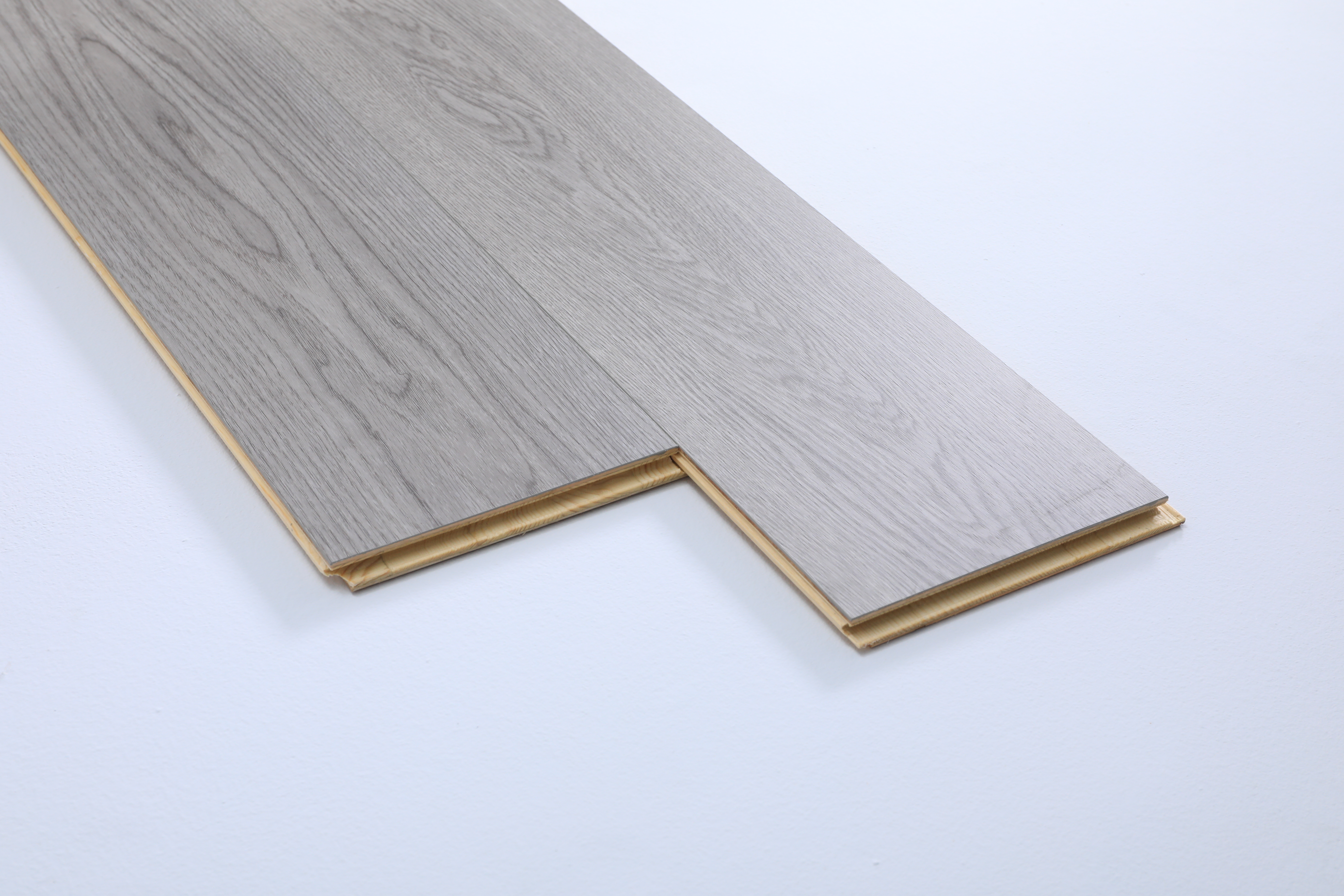
Wood basketball court flooring usually uses maple or oak wear layers over a resilient subfloor system. Andiwilson reviews board thickness, subfloor construction, moisture content, line marking and finish before specification. Illustrative projects include school gymnasiums, community sports halls and private training facilities. Typical specifications use 20–22 mm boards, 50–75 mm wide, over sleeper or batten systems. Ball rebound, shock absorption and surface friction are discussed against the intended play level rather than claimed as universal. Acclimatisation and moisture testing are agreed before installation. Suitability should be confirmed against current technical documents and the sports programme.
Get A Quote

Case Study

School Gymnasium with Area-Elastic Subfloor

An illustrative school gymnasium used 20 mm maple boards over an area-elastic sleeper system across a 420 m² court. Line markings for basketball and badminton were set out from approved drawings. Boards were acclimatised and moisture tested before installation. The contractor phased work over a summer holiday to avoid disrupting lessons. The PE department agreed daily dust mopping and an annual surface inspection. Two spare bundles were stored for repairs. The brief focused on ball rebound, line accuracy and maintenance planning, with suitability checked against current technical documents.

Community Sports Hall with Multi-Court Layout

An illustrative community sports hall used 22 mm oak boards over a batten system across 608 m². The floor supports basketball, netball and indoor football. Two line colours distinguished adjacent courts. Boards were conditioned on site and installed with expansion gaps at walls. Volunteers agreed dry sweeping and prompt spill removal. The contractor checked subfloor flatness and moisture before laying. One spare bundle was retained. The brief addressed multi-sport use, line clarity and simple upkeep, with performance confirmed against current technical documents for the intended activities.

Private Training Facility with High-Performance Finish

An illustrative private basketball training facility used 20 mm maple boards over a resilient subfloor across 280 m². A matte finish was selected to reduce glare from ceiling lights. Line markings followed college court dimensions. Boards were acclimatised and installed with a vapour barrier over concrete. The operator agreed daily dust mopping and quarterly re-coating planning. Two spare bundles were stored. The brief focused on grip, ball rebound and finish maintenance, with suitability checked against current technical documents and the training programme rather than assumed for every facility.

Related products

Wood basketball court flooring is built from a wear layer of maple or oak, a core, and a resilient subfloor system such as sleepers or battens. The subfloor affects ball rebound and shock absorption, while the wear layer provides the playing surface. Andiwilson supports projects by reviewing board thickness, subfloor construction, moisture content, line marking and finish before order. Illustrative specifications use 20–22 mm boards, 50–75 mm wide. Installation typically involves acclimatisation, subfloor moisture testing, sanding and site finishing, and line marking from approved court drawings. A vapour barrier may be required over concrete. Maintenance includes daily dust mopping and periodic re-coating, with refinishing possible when board thickness allows. Andiwilson provides care notes covering cleaning and surface inspection. Performance depends on the selected system, site conditions and maintenance, so project teams should confirm current technical documents and installation guidance before ordering. This practical approach helps designers and contractors specify wood basketball court flooring without overstating shock absorption or slip resistance.
Frequently Asked Questions

Which wood species are used for basketball courts?

Maple and oak are common. Maple offers a pale, even surface; oak provides a different grain and tone. Species choice affects appearance and finishing. Andiwilson advises comparing samples, hardness data and current technical documents before specification, rather than assuming one species suits every court.
Sleeper and batten systems are common, with area-elastic or point-elastic behaviour depending on construction. The subfloor affects ball rebound and shock absorption. Andiwilson advises reviewing the playing level, subfloor height and current technical documents before selecting a system.
Installation time depends on court size, subfloor preparation, acclimatisation, sanding, finishing and line marking. A typical school court may take several weeks, including drying time. Andiwilson advises agreeing a programme with the contractor and confirming current installation guidance before work begins.
Routine care includes daily dust mopping and prompt spill removal. Periodic re-coating helps protect the finish. Avoid wet mopping and abrasive products unless guidance permits them. Andiwilson provides care notes, but cleaning products and re-coating intervals should be checked against the selected finish and current recommendations.
Yes, when board thickness allows, sanding and refinishing can restore the surface and line markings. The number of possible cycles depends on thickness and condition. Andiwilson advises checking current guidance and using an experienced contractor before scheduling refinishing work, because site conditions affect the outcome.

Related article

Quartz Fiber Board for Medical and Commercial Buildings: A New Generation of A-Class Fireproof Decorative Wall Panels

30

Jul

Quartz Fiber Board for Medical and Commercial Buildings: A New Generation of A-Class Fireproof Decorative Wall Panels

View More
Prefabricated Modular Walls Take Another Leap Forward! Integrated Invisible Door Solutions Redefine the Boundaries of Spatial Aesthetics and Practicality

26

Jul

Prefabricated Modular Walls Take Another Leap Forward! Integrated Invisible Door Solutions Redefine the Boundaries of Spatial Aesthetics and Practicality

View More
Why Should Designers Use Custom Textured Wall Panels for Feature Walls?

07

Oct

Why Should Designers Use Custom Textured Wall Panels for Feature Walls?

A Feature Wall Is a Working Surface, Not a Backdrop Designers often choose a feature wall from a rendering first. A bold texture or metallic finish looks convincing in perspective, then the built wall reveals problems the image never showed: glare fr...
View More
How to Choose the Right High Pressure Laminate Finish for Your Interior Surfaces?

19

Oct

How to Choose the Right High Pressure Laminate Finish for Your Interior Surfaces?

Start With the Wear Layer, Not the Color Card High pressure laminate finish selection often begins with a color card and a visual preference. That sequence is backward. The finish on an HPL surface is a performance layer before it is a decorative lay...
View More

Illustrative Wood Court Planning Notes

Laura Chen

An illustrative school gymnasium note described 20 mm maple boards over an area-elastic sleeper system across 420 m². Line markings for basketball and badminton were set out from approved drawings. Boards were acclimatised and moisture tested before installation, and work was phased over a summer holiday. The PE department agreed daily dust mopping and annual inspection. Two spare bundles were stored. The note focused on ball rebound, line accuracy and maintenance planning, with suitability checked against current technical documents.

James Patel

An illustrative community sports hall note described 22 mm oak boards over a batten system across 608 m². Two line colours distinguished adjacent courts for basketball and netball. Boards were conditioned on site, and subfloor flatness and moisture were checked before laying. Volunteers agreed dry sweeping and prompt spill removal. One spare bundle was retained. The note addressed multi-sport use, line clarity and simple upkeep, with performance confirmed against current technical documents for the intended activities.

Get a Free Quote

Our representative will contact you soon.
Email
Mobile/WhatsApp
Name
Company Name
Message
0/1000
Subfloor System and Ball Rebound

Subfloor System and Ball Rebound

The subfloor system affects ball rebound and shock absorption in wood basketball courts. Andiwilson discusses sleeper and batten construction, board thickness and playing level before specification. In an illustrative school gymnasium, a 20 mm maple surface was laid over an area-elastic sleeper system. The aim is a system matched to the sport and subfloor height, not a universal recommendation. Current technical documents and the sports programme should be confirmed before ordering.
Line Marking and Surface Finish

Line Marking and Surface Finish

Line marking and finish affect play and appearance. Andiwilson discusses line colours, widths and finish sheen from approved court drawings. In an illustrative community hall, two line colours distinguished adjacent basketball and netball courts. A matte finish can reduce glare from ceiling lights. Marking method depends on the surface system and should follow current guidance. The approach supports accurate lines, but final dimensions and tolerances should be verified against the relevant sport requirements before installation.
Acclimatisation and Moisture Testing

Acclimatisation and Moisture Testing

Wood responds to humidity, so acclimatisation and moisture testing matter before installation. Andiwilson advises checking subfloor moisture, interior conditions and board moisture before laying. In an illustrative private training facility, boards were acclimatised and a vapour barrier was laid over concrete. Expansion gaps were left at walls. These steps support dimensional stability but do not remove the need for humidity control. Site conditions and current installation guidance should always be confirmed before work begins.
onlineONLINE