Lamp Art Lighting for Galleries & Hotels | Andiwilson

Get a Free Quote

Our representative will contact you soon.
Email
Mobile/WhatsApp
Name
Company Name
Message
0/1000

Art Lighting Fixtures for Galleries and Feature Walls

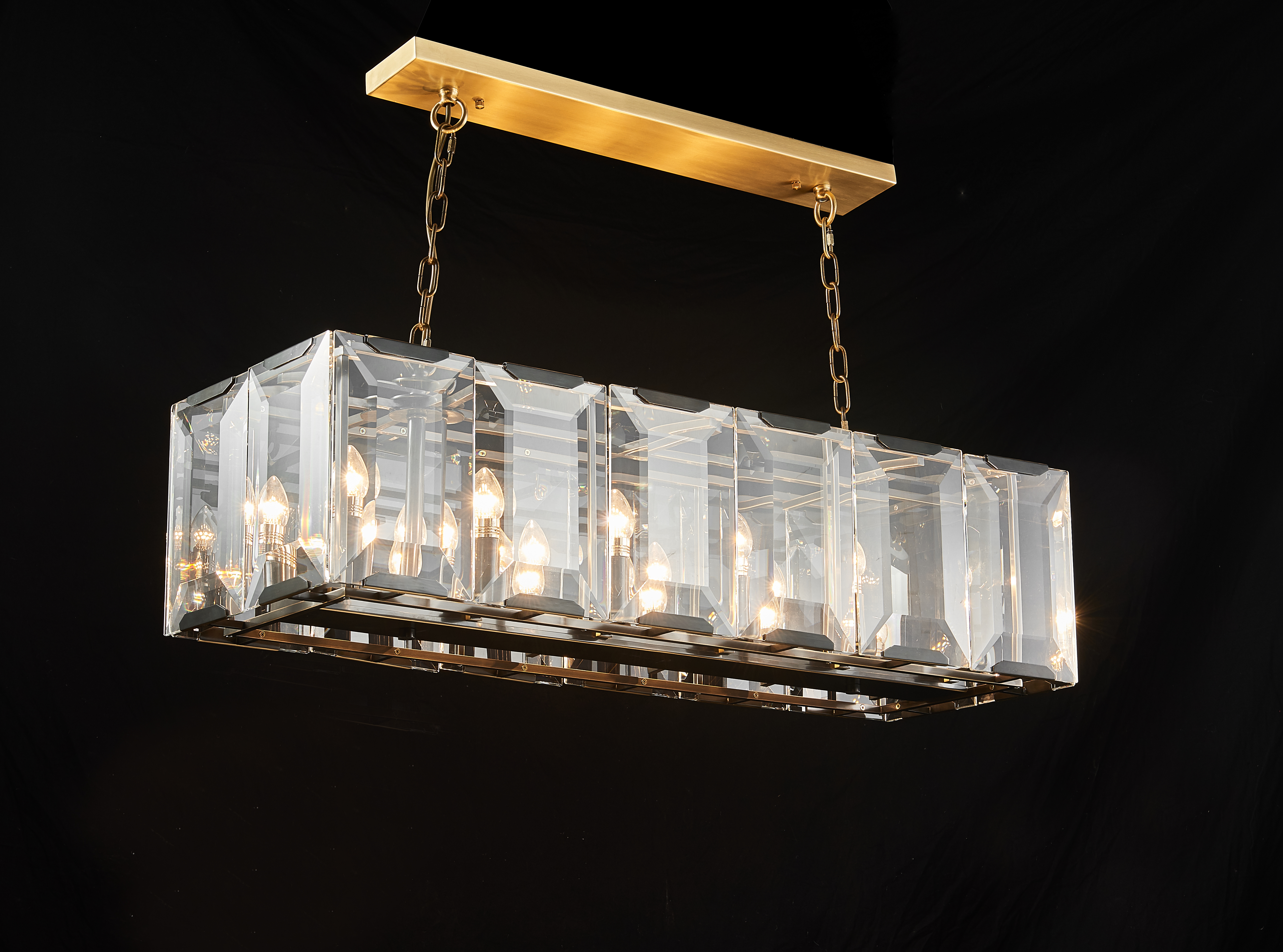
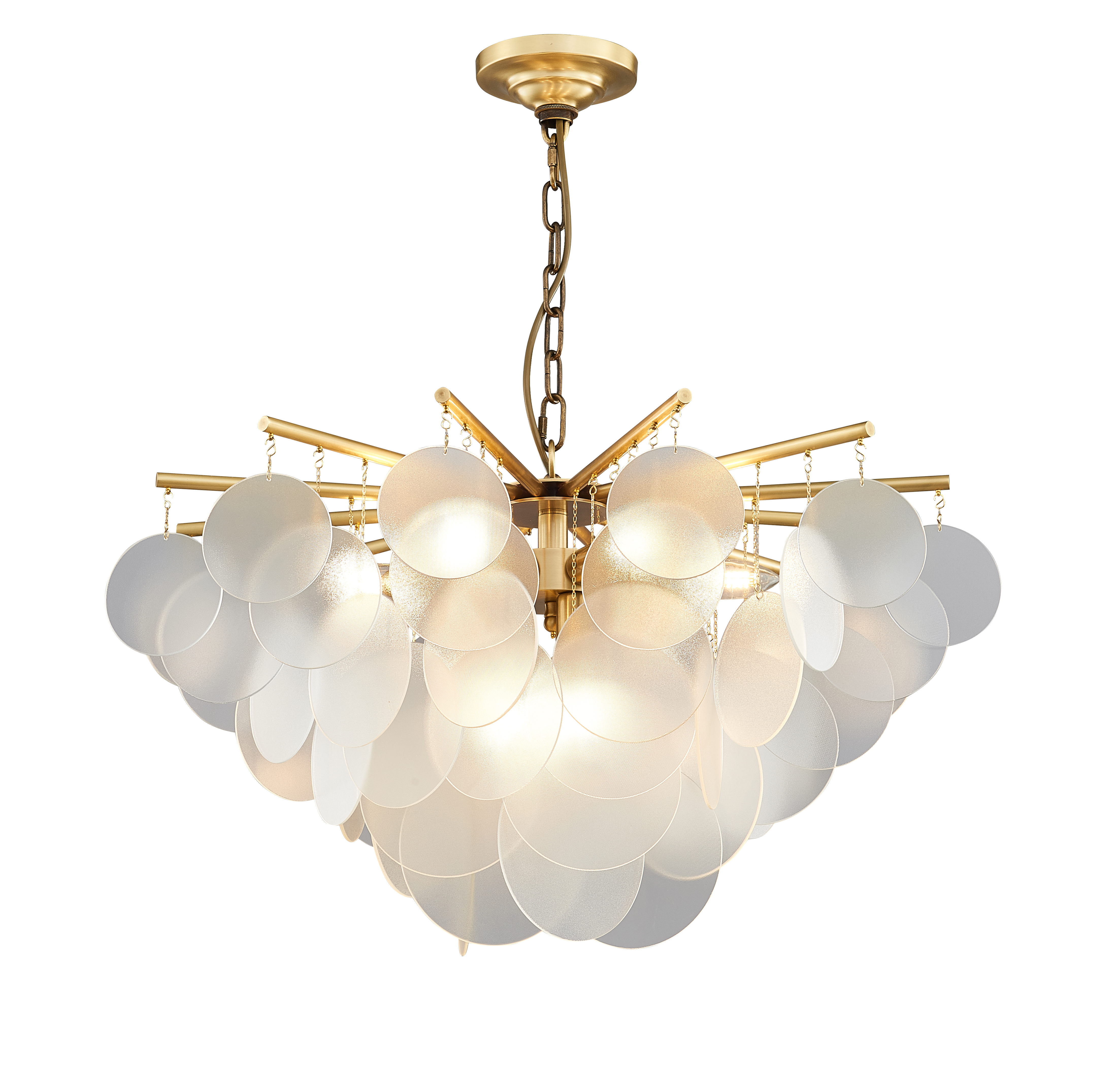
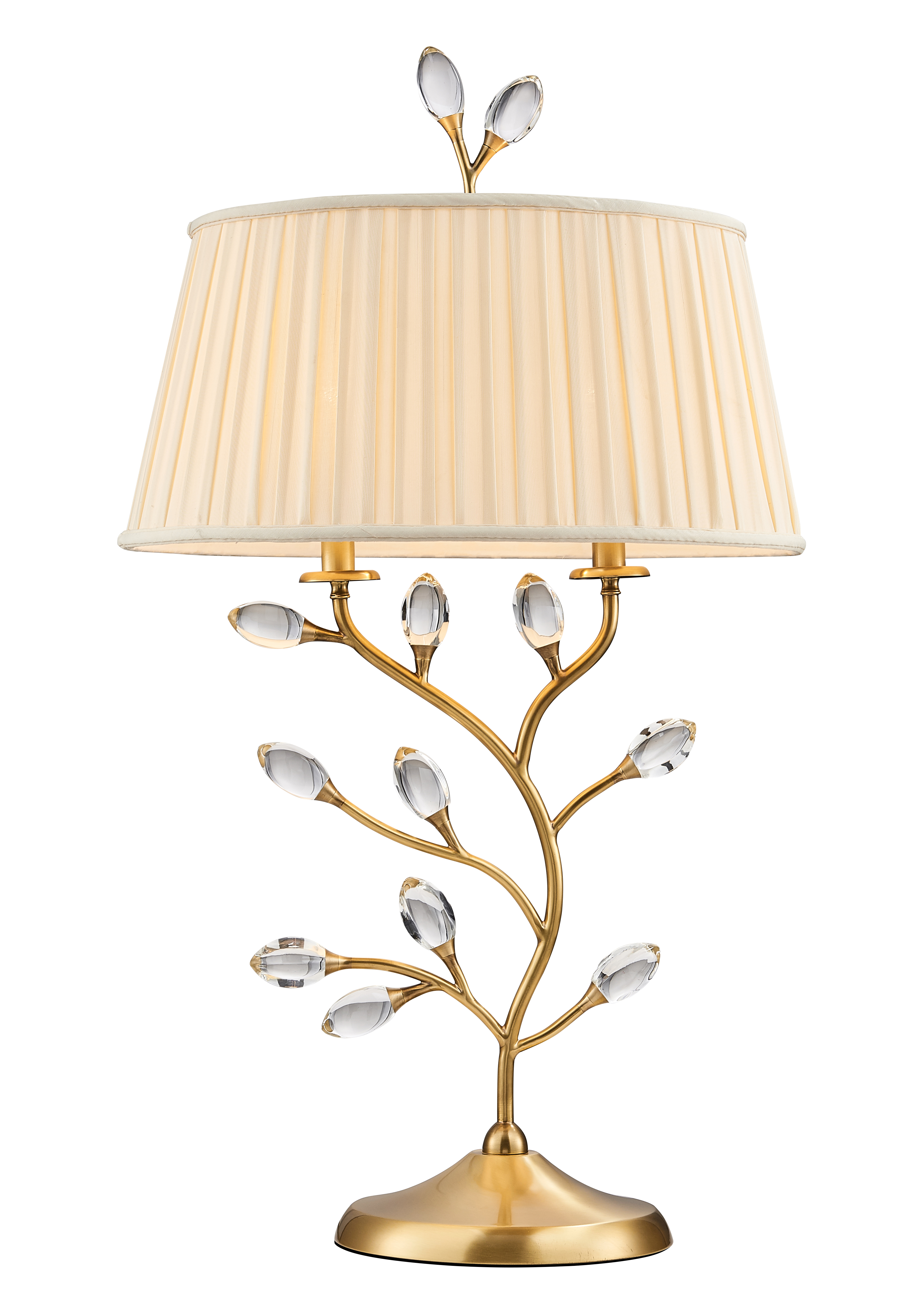
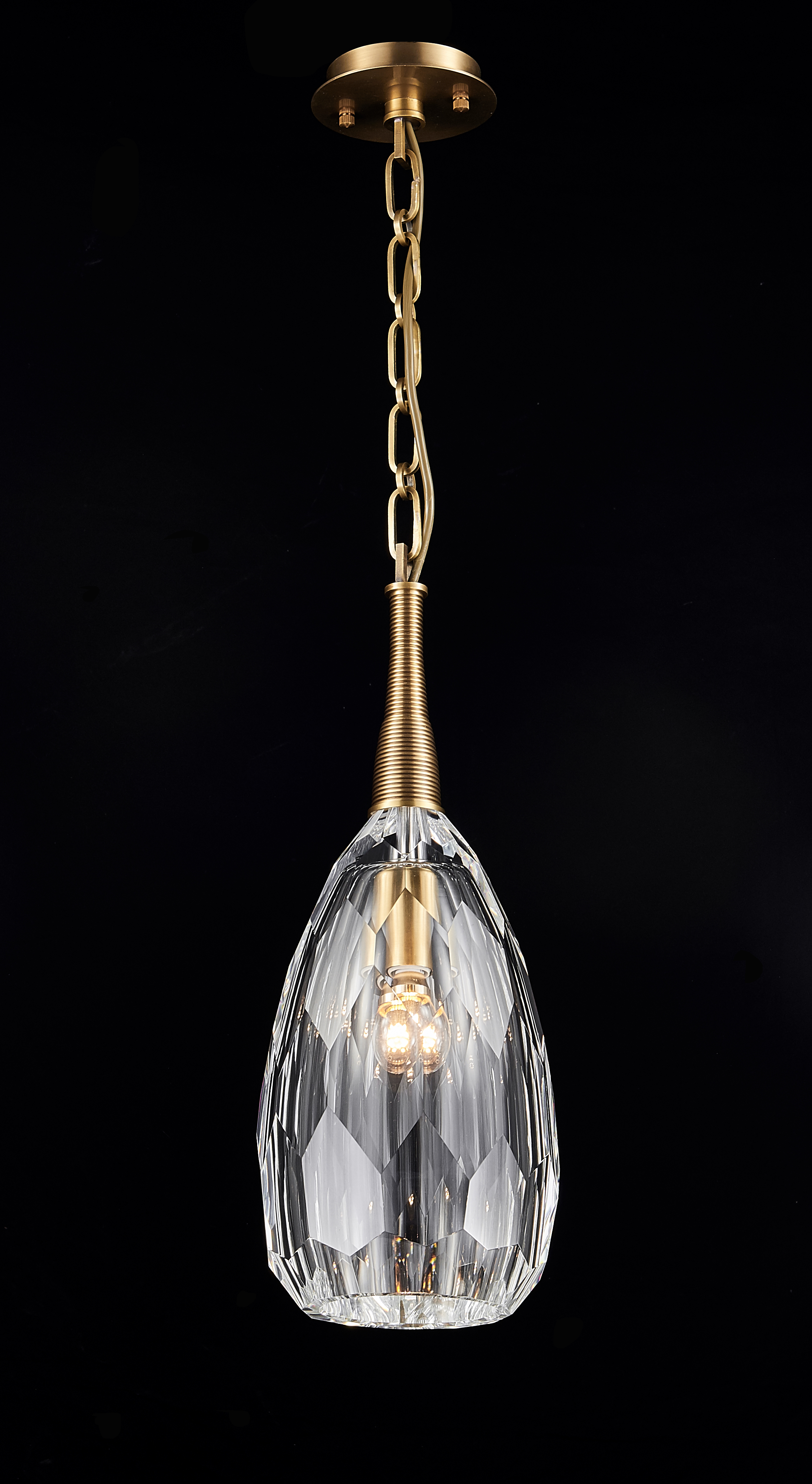
Andiwilson lamp art lighting is specified for gallery feature walls, hotel art corridors, boutique showrooms, and residential stair galleries where sculptural light supports visual interest. Options can include metal frame forms, glass or acrylic diffusers, adjustable arms, and dimmable lamp sources, subject to project confirmation. Buyers should review mounting method, weight support, beam distribution, wiring routes, and cleaning access before approval. Finish samples under the intended lighting temperature help compare tone and surface quality. This measured process supports a considered art-lighting scheme without unverified performance claims.
Get A Quote

Case Study

Gallery Feature Wall Fixture Review

A representative gallery project evaluated Andiwilson lamp art lighting beside a feature wall of framed works. The team reviewed mounting method, wall substrate, beam angle, and cleaning access before ordering. Finish samples were checked under neutral and warm light against wall paint and frame tones. Labeled components helped the installer align fixtures along the wall. The gallery used separate conservation lighting for artwork and treated the fixtures as decorative accents. Staff received care guidance and a parts reference. No fixed lifespan was claimed; inspection points supported maintenance planning.

Hotel Art Corridor Accent Installation

In a representative hotel art corridor, lamp art lighting was considered as decorative accents between displayed pieces. The project team confirmed ceiling or wall fixing, cable routing, dimming compatibility, and access for cleaning before approval. Finish samples were compared with corridor finishes and artwork frames under warm light. Packing labels and layout drawings helped the contractor coordinate with adjacent lighting circuits. The fixtures added visual rhythm along the corridor, while separate lighting supported guest navigation. The operator received care instructions and a parts reference. This cautious approach supported appearance and practical maintenance without promising universal performance.

Residential Stair Gallery Lighting Evaluation

A representative residential stair gallery project evaluated lamp art lighting along a wall of collected prints. The homeowner approved finish samples under warm evening light. The installer confirmed mounting height, cable concealment, and switch access before work began. Labeled components simplified alignment and reduced wall marking errors. The fixtures provided decorative focus near the stair, while separate lighting supported safe passage. Care instructions covered dusting and safe access. The scheme did not treat decorative lighting as a complete solution; suitability depended on wall condition and viewing distance. Approval records were kept before order release.

Related products

Andiwilson lamp art lighting is decorative lighting intended for gallery feature walls, hotel art corridors, boutique showrooms, and residential stair galleries. Specifications can combine metal frame forms, glass or acrylic diffusers, adjustable arms, and dimmable lamp sources, subject to electrical and safety confirmation. Because these fixtures sit close to displayed objects, buyers should review mounting method, weight support, beam distribution, wiring routes, and cleaning access before order release. For export projects, Andiwilson can coordinate finish samples, dimension drawings, packing details, and care guidance so designers and contractors can compare expectations. Decorative art lighting should be layered with conservation or task lighting rather than treated as a complete solution for artwork illumination. Project teams should confirm local codes, fixing methods, dimming compatibility, and spare-part needs. In many gallery and hospitality fit-outs, staged sample approval and labeled packing help reduce site adjustments, although outcomes depend on wall conditions and installation planning. This practical approach supports a refined visual rhythm while avoiding unverified performance promises. Sample approval and labeled packing are recommended before shipment. Clear approval records help align buyers, installers, and gallery staff during handover. Final selection should follow approved drawings and a site inspection.

Frequently Asked Questions

What spaces suit lamp art lighting?

It can suit gallery feature walls, hotel art corridors, boutique showrooms, and residential stair galleries where decorative light supports visual interest. Review mounting method, wall condition, and viewing distance first. These fixtures may need separate conservation or task lighting. Confirm electrical load and local codes with a qualified installer before ordering.
Start with wall substrate, fixture weight, and cable routes. A supplier or installer can help compare bracket and fixing options. Request dimension drawings and sample finish checks. Final mounting should account for cleaning access and adjustment range, not appearance alone. Local building rules always apply.
Dimming depends on the lamp source, driver, and control system specified. Buyers should confirm compatibility among the fixture, dimmer, and building wiring before installation. Some LED sources may require specific drivers. Ask for wiring diagrams and test the approved combination where possible. Local electrical rules always apply.
Use a soft cloth and a cleaning method approved for the fixture finish. Avoid abrasive pads and harsh chemicals that may damage coatings, diffusers, or frames. Dust regularly and follow the supplier’s care guidance. For high walls, plan safe access and maintenance intervals. Keep a spare-parts reference for future replacement.
Confirm finish, size, mounting type, lamp source, voltage, packing method, and labeling requirements against the approved sample and drawings. Request inspection points and spare-part details. Clear approval records help align buyers, installers, and electricians. Final acceptance should follow the agreed specification and any required local certification.

Related article

Why Should Art Galleries Use Crystal Chandeliers for Exhibition Lighting?

24

Sep

Why Should Art Galleries Use Crystal Chandeliers for Exhibition Lighting?

Crystal Chandeliers Are Not Competing With Track Lighting The first instinct when someone mentions a chandelier in a gallery is to assume it belongs to the architecture, not to the collection. That assumption is usually right. A crystal fixture han...
View More
What Factors Should You Consider When Sourcing Artistic Lamps for Commercial Projects?

28

Sep

What Factors Should You Consider When Sourcing Artistic Lamps for Commercial Projects?

Certification and Electrical Compliance Are the First Filter When sourcing artistic lamps for commercial projects, the first question is not how the fixture looks in a showroom. It is whether the fixture can be installed legally and safely in the i...
View More
Why Do Luxury Hotels Invest in Custom Artistic Lamps for Their Suites?

26

Oct

Why Do Luxury Hotels Invest in Custom Artistic Lamps for Their Suites?

A Custom Lamp Gives the Suite a Signature Guests Remember Walk into a luxury suite and the lighting is one of the first things the body registers, even before the eye names it. A standard bedside lamp with a stock shade does a job. A custom artistic ...
View More
Quartz Fiber Decorative Board: A New Generation of A-Class Fireproof, Durable and Eco-Friendly Wall Material

26

Jul

Quartz Fiber Decorative Board: A New Generation of A-Class Fireproof, Durable and Eco-Friendly Wall Material

View More

Buyer Perspectives on Andiwilson Lamp Art Lighting

Chloe Sanders

Our gallery feature wall project used Andiwilson lamp art lighting beside framed works. We reviewed finish samples and mounting drawings before ordering, and labeled components helped the installer align fixtures along the wall. We confirmed dimming compatibility and coordinated wiring routes with the contractor. The fixtures provide decorative focus, while separate conservation lighting supports artwork visibility. We avoid claiming universal brightness; the layered scheme was reviewed for the space. Clear drawings and packing details made handover smoother. We would repeat the sample approval process on similar projects.

Nathan Pierce

For a hotel art corridor, we compared two Andiwilson lamp art lighting options for mounting and finish. The supplier provided dimension drawings and maintenance guidance, which helped our contractor confirm wall fixing and access above the fixtures. We checked dimming controls and coordinated circuits with adjacent lighting before installation. The fixtures add visual rhythm, but we still use separate lighting for guest navigation. Sample approval and labeled parts reduced site confusion. We would request spare-part details again for future cleaning and maintenance.

Get a Free Quote

Our representative will contact you soon.
Email
Mobile/WhatsApp
Name
Company Name
Message
0/1000
Decorative Art Lighting with Practical Planning

Decorative Art Lighting with Practical Planning

Lamp art lighting can create visual interest along gallery walls, hotel corridors, and stair galleries, but planning should cover mounting method, wall substrate, beam distribution, and cleaning access. Andiwilson supports finish sample checks, layout drawings, and labeled packing so buyers can compare expectations before order. Decorative fixtures should be layered with conservation or task lighting rather than treated as a complete artwork illumination solution. Confirm local electrical codes and qualified installation. This measured approach helps protect appearance and safety without relying on exaggerated claims.
Finish and Mounting Coordination

Finish and Mounting Coordination

Metal frames, glass or acrylic diffusers, and mounting brackets influence the final appearance of lamp art lighting. Andiwilson encourages buyers to approve samples under the intended lighting temperature and compare them with wall finishes and frame tones. Labeled packing and parts references can simplify alignment and future maintenance. Because finishes may vary by production batch, approval records matter. Project teams should confirm cleaning methods and spare-part needs early. This coordination supports a refined result while keeping expectations realistic and documented.
Export-Ready Documentation for Art Lighting

Export-Ready Documentation for Art Lighting

Export buyers need clear specifications before approving decorative lighting. Andiwilson can provide finish samples, dimension drawings, packing details, care guidance, and spare-part references where available. Buyers should confirm voltage, lamp source, dimming compatibility, mounting type, and labeling requirements against the approved sample. Inspection points before shipment help reduce site surprises. Local certification and electrical rules remain the buyer’s responsibility. This documentation-focused process supports smoother handover among designers, contractors, and gallery staff without promising unverified performance or universal compliance.
onlineONLINE