Wood Plastic Composite Flooring: 3 Key Installation Insights

Get a Free Quote

Our representative will contact you soon.
Email
Mobile/WhatsApp
Name
Company Name
Message
0/1000

Andiwilson Wood Plastic Composite Flooring for Interior and Sheltered Exterior Use

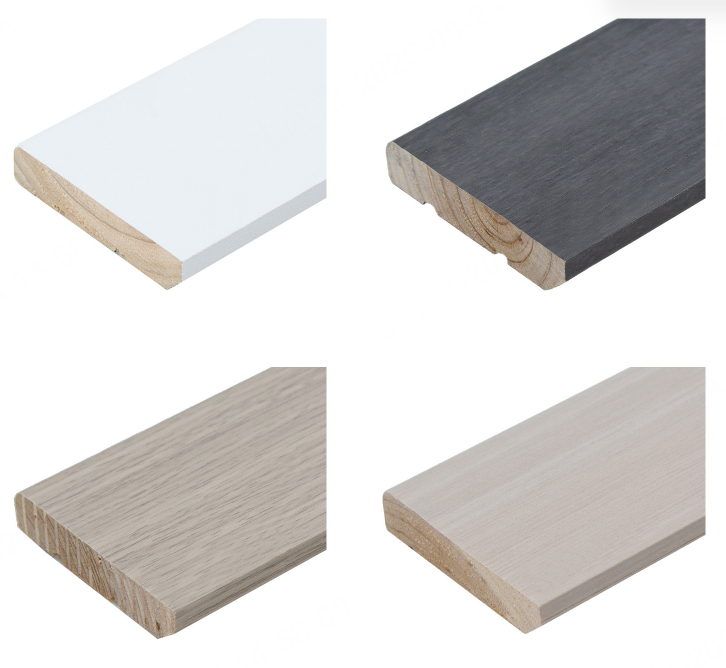
Wood plastic composite flooring combines wood flour, thermoplastic polymer and additives, extruded into boards with a printed or embossed surface. The mix affects stiffness, moisture uptake and thermal movement. Andiwilson reviews polymer type, wood content, profile design and fixing method before specification. Interior click boards and sheltered deck boards behave differently, so project teams should distinguish the two. Illustrative schemes include basement rooms, covered terraces and entrance lobbies. Colour batches and surface embossing are checked against samples. Suitability should be confirmed against current product documents and site exposure.
Get A Quote

Case Study

Basement Recreation Room with Interior WPC Click Boards

An illustrative basement recreation room used 6 mm interior WPC click boards in a grey oak decor. The room had intermittent humidity, so the specification focused on profile design, click joint tightness and a ventilated underlay. Boards were conditioned in the room and expansion gaps were left at perimeter walls. The homeowner agreed dry cleaning and prompt removal of spills. Two spare boards were stored for future repairs. The brief addressed moisture variation, joint stability and simple upkeep, with suitability checked against product documents for interior use.

Covered Terrace with Sheltered WPC Deck Boards

An illustrative covered terrace used 22 mm WPC deck boards with a grooved profile and hidden clips over timber joists. The roof limited direct rain, but wind-driven moisture still reached the edges. Joist spacing, ventilation and clip gaps were set from the supplier's drawings. Boards were laid with a slight gap for thermal movement. The owner agreed sweeping and periodic washing with a pH-neutral cleaner. Two spare boards were stored. The brief addressed thermal movement, drainage and surface texture, with outdoor suitability confirmed against current documents.

Entrance Lobby with Embossed WPC Flooring

An illustrative entrance lobby used 8 mm WPC flooring with a deep embossed grain across 70 m². The embossing was chosen to help mask footmarks from wet shoes. A recessed mat well was retained at the door, and the cleaning team agreed frequent sweeping during wet weather. Boards were acclimatised and laid over a levelled subfloor with a moisture barrier. Expansion gaps were hidden at wall trims. One spare pack was stored. The brief focused on slip awareness, mark masking and cleaning frequency, with suitability checked against product documents.

Related products

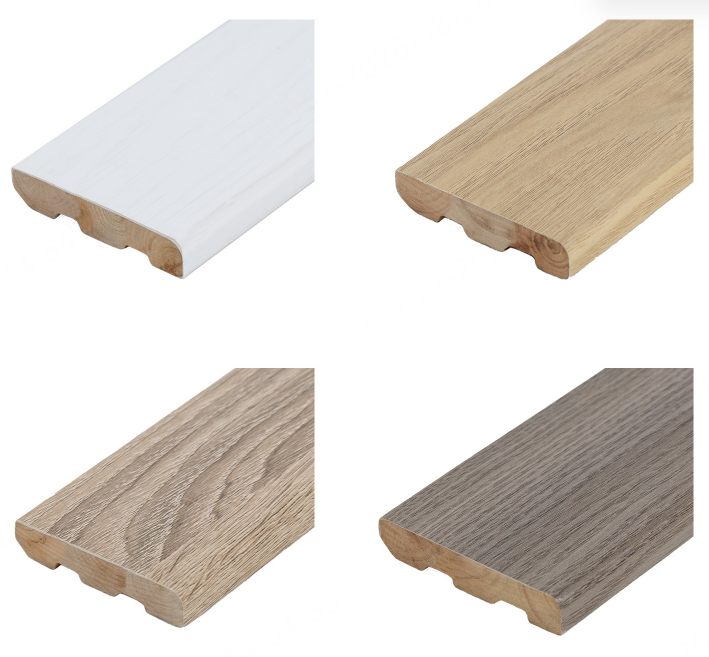
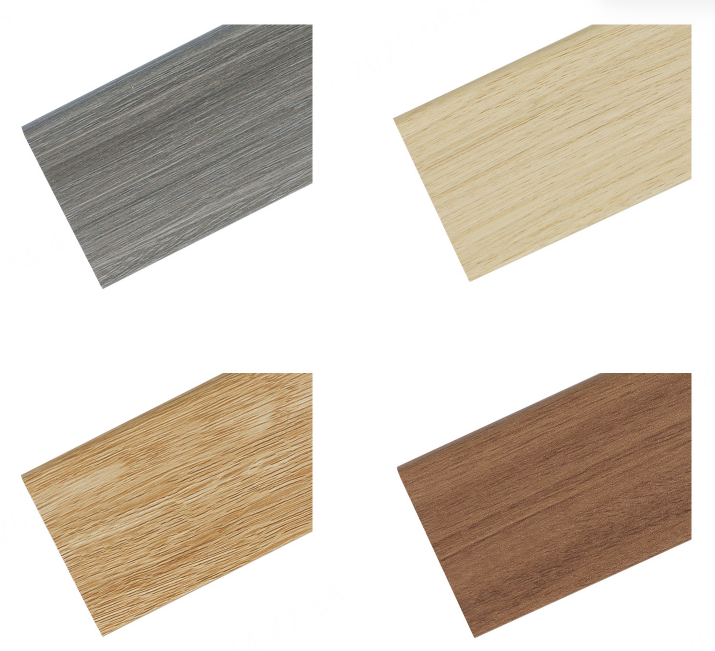
Wood plastic composite flooring is an extruded board made from wood flour, thermoplastic polymer and additives. The wood content influences stiffness and moisture behaviour, while the polymer and additives affect colour retention, surface finish and thermal movement. Interior click boards usually carry a printed decor and embossed texture; sheltered deck boards often use a grooved profile and hidden clips. Andiwilson supports projects by reviewing polymer type, wood content, profile design, fixing method and exposure before order. Illustrative schemes include basement rooms, covered terraces and entrance lobbies. Board conditioning, expansion gaps and ventilation are agreed at specification stage. Surface embossing and colour batches are checked against retained samples. Cleaning usually involves sweeping and periodic washing with a pH-neutral cleaner, with prompt removal of spills. Because interior and exterior products behave differently, project teams should confirm current documents, fixing details and site exposure before ordering. This practical approach helps designers use WPC flooring without overstating weather or moisture resistance.
Frequently Asked Questions

What is wood plastic composite flooring made from?

It is an extruded board containing wood flour, thermoplastic polymer and additives. The mix affects stiffness, moisture behaviour and thermal movement. Interior and exterior grades differ, so Andiwilson advises checking polymer type, wood content and profile design against the intended exposure before specification.
WPC uses a wood-plastic composite core with more polymer and wood flour, giving a slightly softer feel. SPC uses a limestone-based mineral core and feels harder. Andiwilson advises comparing core composition, thickness and fixing method against the room conditions before choosing.
Only products specified for exterior use should be installed outdoors. Interior click boards are not intended for rain, UV exposure or standing water. Andiwilson advises checking the product documents for exterior rating, joist spacing and drainage before considering a sheltered terrace or balcony.
WPC boards expand and contract with temperature, more than some mineral-core floors. Expansion gaps, clip spacing and joist details must allow movement. Andiwilson advises following installation guidance for the specific profile, especially on decks and in glazed spaces where surface temperatures rise.
Sweep or dry mop regularly and wash periodically with a pH-neutral cleaner. Avoid abrasive pads and strong solvents unless product guidance permits them. Prompt removal of spills helps protect the surface. Andiwilson provides care notes, but cleaning products should be checked against the selected interior or exterior grade.

Related article

Prefabricated Modular Walls Take Another Leap Forward! Integrated Invisible Door Solutions Redefine the Boundaries of Spatial Aesthetics and Practicality

26

Jul

Prefabricated Modular Walls Take Another Leap Forward! Integrated Invisible Door Solutions Redefine the Boundaries of Spatial Aesthetics and Practicality

View More
Why Should Designers Use Custom Textured Wall Panels for Feature Walls?

07

Oct

Why Should Designers Use Custom Textured Wall Panels for Feature Walls?

A Feature Wall Is a Working Surface, Not a Backdrop Designers often choose a feature wall from a rendering first. A bold texture or metallic finish looks convincing in perspective, then the built wall reveals problems the image never showed: glare fr...
View More
How Do Exterior Wall Laminated Panels Help Reduce Carbon Footprint in Construction?

12

Oct

How Do Exterior Wall Laminated Panels Help Reduce Carbon Footprint in Construction?

The Carbon Argument Starts With How Little Aluminium Goes Into the Panel A laminated exterior panel is not a thin coat of paint over a solid metal sheet. It is a sandwich. Two thin aluminium skins sit on either side of a core that does most of the di...
View More
A Complete Guide to Choosing the Right Exterior Wall Laminated Panels for Your Next Project.

23

Oct

A Complete Guide to Choosing the Right Exterior Wall Laminated Panels for Your Next Project.

Fire Classification Comes Before Aesthetics Specifying exterior wall laminated panels for a new project usually begins with a finish sample, a color, and a profile. That order is risky. A facade panel on a commercial building is part of a life safety...
View More

Wood Plastic Composite Flooring Planning Notes

Laura Chen

An illustrative basement recreation room note described 6 mm interior WPC click boards in a grey oak decor. Intermittent humidity focused attention on profile design, joint tightness and a ventilated underlay. Boards were conditioned before fitting, with perimeter gaps at walls. The homeowner agreed dry cleaning and prompt spill removal. Two spare boards were stored. The note addressed moisture variation, joint stability and simple upkeep, with suitability checked against product documents for interior use.

James Patel

An illustrative covered terrace note described 22 mm WPC deck boards with a grooved profile and hidden clips over timber joists. Joist spacing, ventilation and clip gaps followed supplier drawings. Boards were laid with a gap for thermal movement. The owner agreed sweeping and periodic washing with a pH-neutral cleaner. Two spare boards were stored. The note addressed thermal movement, drainage and surface texture, with outdoor suitability confirmed against current documents.

Get a Free Quote

Our representative will contact you soon.
Email
Mobile/WhatsApp
Name
Company Name
Message
0/1000
Polymer Type and Wood Content Balance

Polymer Type and Wood Content Balance

The balance of wood flour, polymer and additives affects stiffness, moisture behaviour and thermal movement in WPC flooring. Andiwilson discusses polymer type and wood content before specification. In an illustrative basement room, a 6 mm interior click board was chosen with a ventilated underlay to manage intermittent humidity. The mix is not a single formula; profiles differ by product. Site exposure also matters. Current documents and samples should be checked before ordering.
Thermal Movement and Clip Spacing

Thermal Movement and Clip Spacing

WPC boards move with temperature, so expansion gaps and clip spacing must allow movement. Andiwilson discusses profile design and fixing details before installation. In an illustrative covered terrace, 22 mm deck boards were laid with a gap for thermal movement, and clip gaps followed supplier drawings. Joist spacing and ventilation also affect performance. These details support a serviceable deck but do not remove the need for correct site exposure. Current guidance should be confirmed.
Embossing, Shade Batches and Cleaning

Embossing, Shade Batches and Cleaning

Surface embossing and colour batches affect appearance and cleaning in WPC flooring. Andiwilson discusses texture, shade variation and retained samples before order. In an illustrative entrance lobby, an 8 mm board with deep embossed grain was chosen to help mask footmarks from wet shoes. A recessed mat well and frequent sweeping supported the cleaning plan. These measures help appearance but do not make the floor slip-resistant in every condition. Current documents should be confirmed.
onlineONLINE