Waterproof Cork Flooring: 3 Moisture-Aware Installations

Get a Free Quote

Our representative will contact you soon.
Email
Mobile/WhatsApp
Name
Company Name
Message
0/1000

Andiwilson Waterproof Cork Flooring for Comfortable, Moisture-Aware Rooms

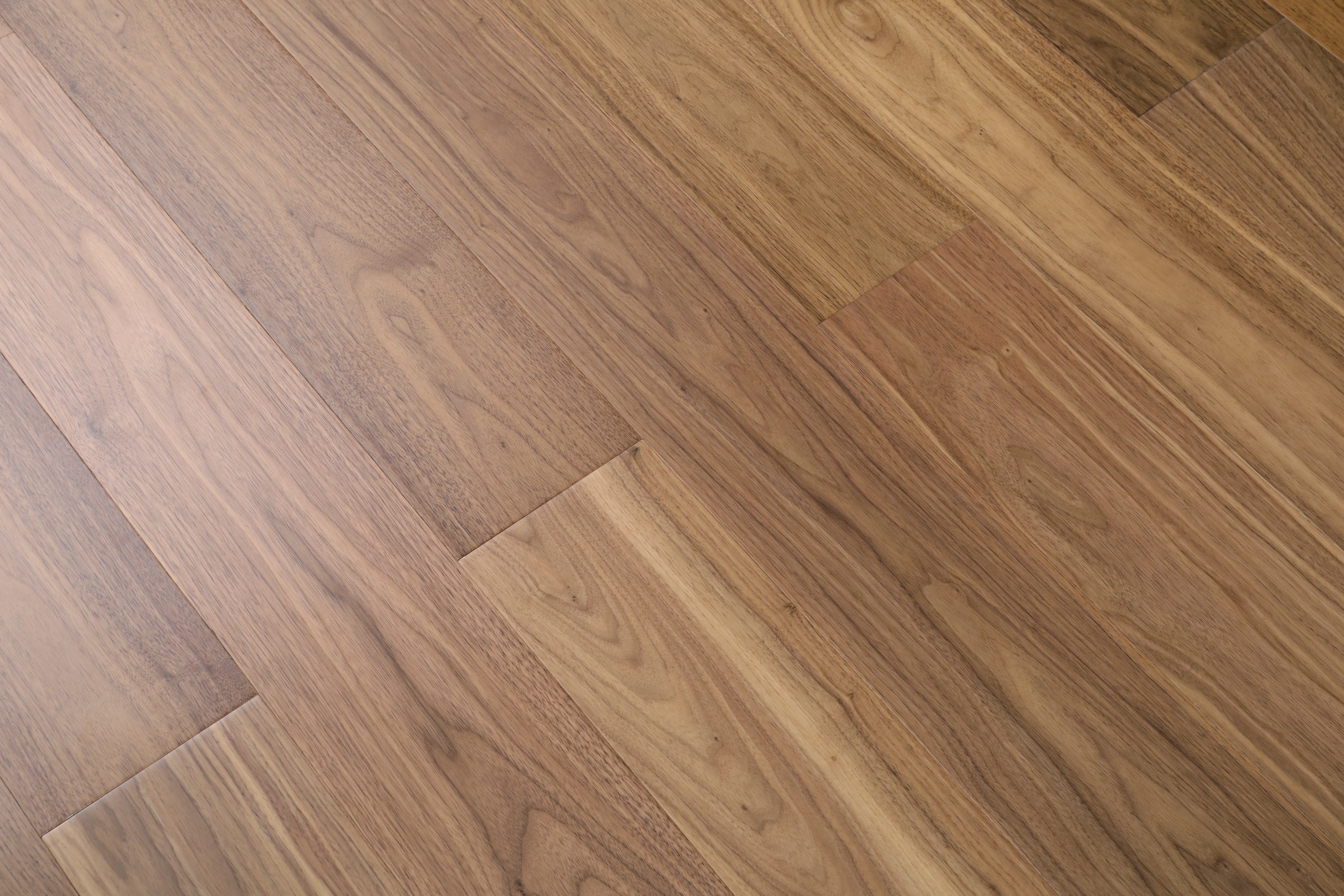
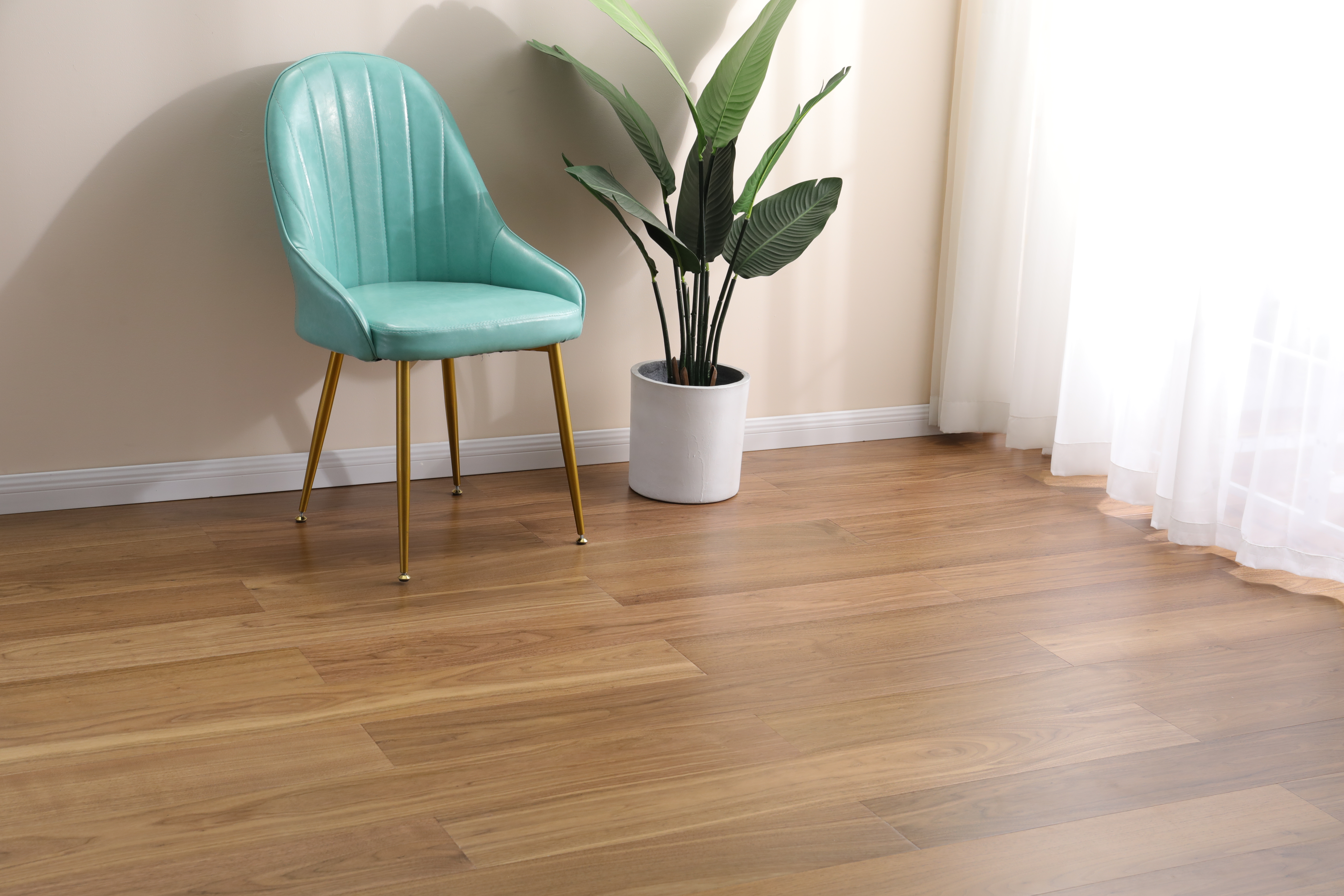
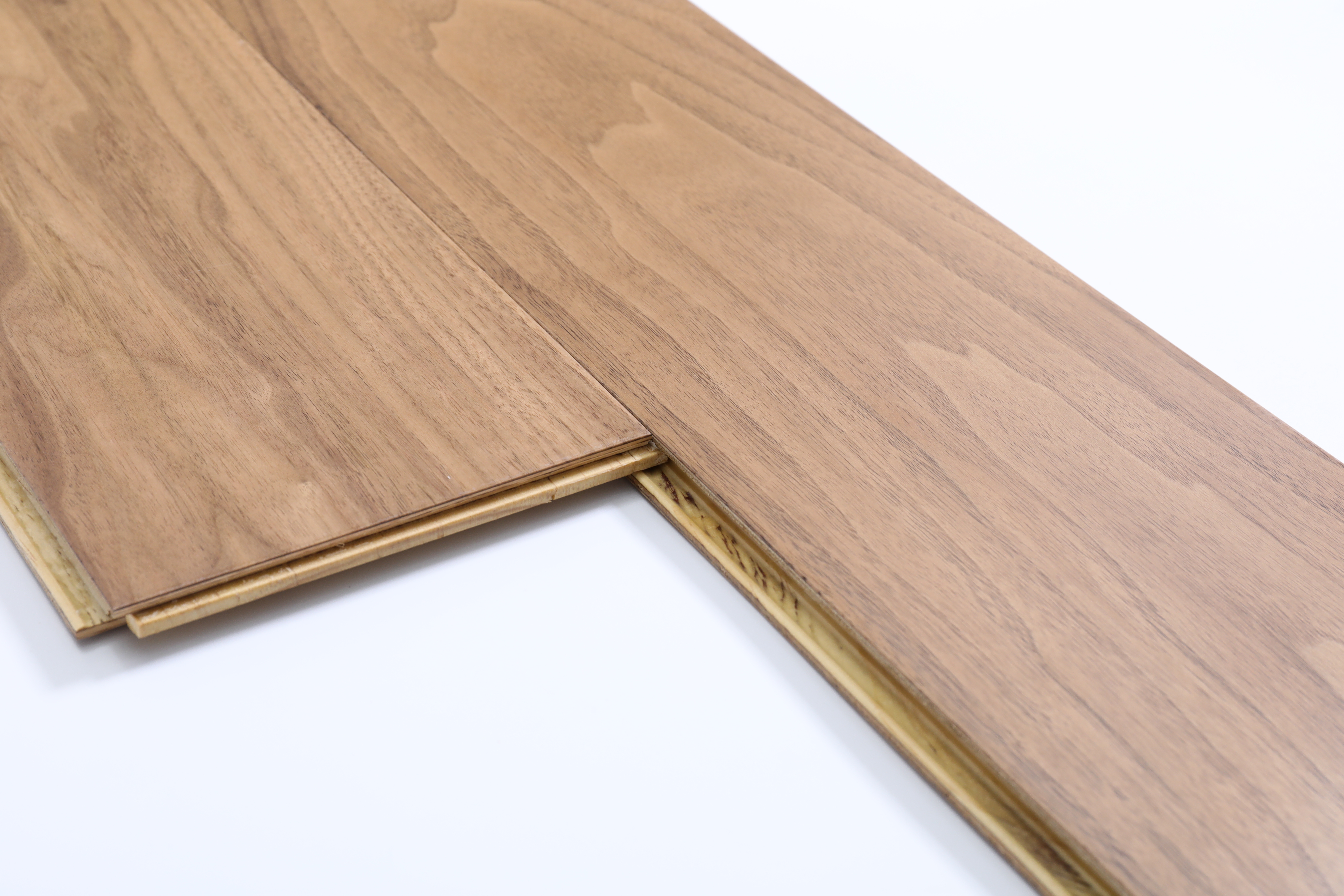
Cork comes from bark harvested without felling the tree. Waterproof cork flooring usually combines a cork core or backing with a sealed wear layer and treated edges. Andiwilson reviews density, wear layer, joint seal and underlay before specification. Illustrative projects include kitchen-diners, basement family rooms and bathroom dry zones. Cork feels warm and quiet underfoot, which suits homes with children or pets. Spills still need prompt removal, and perimeter gaps should be sealed. Suitability should be confirmed against current product documents and the room's moisture exposure.
Get A Quote

Case Study

Kitchen-Diner with Sealed Perimeter Gaps

An illustrative kitchen-diner used 10 mm waterproof cork planks with a sealed wear layer across 28 m². The floor met a tiled utility threshold at a slim profile. Planks were acclimatised and laid over a moisture-resistant underlay. Perimeter gaps at cabinetry were sealed, and pipe collars were fitted with flexible sealant. The household agreed prompt spill wiping and damp mopping. Two spare planks were stored. The brief focused on comfort underfoot, edge sealing and simple upkeep, with suitability checked against current product documents.

Basement Family Room with Acoustic Cork

An illustrative basement family room used 12 mm waterproof cork flooring with an acoustic backing across 35 m². A vapour barrier was laid over the concrete slab before underlay. Planks were conditioned in the room, and expansion gaps were left at walls. The family chose cork for warmth and noise reduction underfoot. Humidity was monitored during the first heating season. The household agreed dry mopping and prompt spill removal. One spare pack was retained. The brief addressed moisture variation, acoustic comfort and maintenance, with suitability confirmed against current product documents.

Bathroom Dry Zone with Sealed Edges

An illustrative bathroom dry zone used 8 mm waterproof cork planks across 6 m², with the shower kept tiled. A threshold profile separated cork from tile, and pipe collars were sealed. Planks were acclimatised before floating over a moisture-resistant underlay. The owner agreed prompt towel-drying of splashes and damp mopping. A spare pack was stored. The brief focused on dry-zone suitability, edge sealing and maintenance, with suitability checked against current product documents rather than treated as fully waterproof.

Related products

Waterproof cork flooring combines granulated cork with a binder, usually over a core or backing, and a sealed wear layer. Cork comes from bark harvested without felling the tree. Its cellular structure gives warmth and resilience underfoot, and can help reduce impact noise. The term waterproof usually refers to a sealed wear layer, treated edges or a moisture-resistant backing rather than to cork alone. Andiwilson reviews density, wear layer, joint seal, underlay and subfloor moisture before order. Illustrative specifications use 8–12 mm planks in kitchen-diners, basement family rooms and bathroom dry zones. Installation may be floating over underlay or glue-down, with perimeter gaps sealed at cabinetry and pipe collars. Prompt spill removal and damp mopping remain important. Cork can fade in strong sunlight, so window protection may be discussed. Planks can be labelled by room and spare packs retained. Andiwilson provides care notes covering neutral-detergent cleaning and edge inspection. Performance depends on the selected build-up, moisture exposure and maintenance, so project teams should confirm current product documents and fitting guidance before ordering. This practical approach helps designers specify cork flooring without overstating water resistance.
Frequently Asked Questions

Is waterproof cork flooring fully waterproof?

No. The term usually means a sealed wear layer or moisture-resistant backing, but seams and edges can still admit water. Andiwilson advises prompt spill removal, sealed perimeter gaps and checking current product documents before use in kitchens or bathroom dry zones.
It can suit kitchen-diners, basement family rooms and bathroom dry zones when the product data supports the use. Shower floors and continuously wet areas need separate flooring. Andiwilson advises checking subfloor moisture, edge sealing and current fitting guidance before specification.
Some cork floors include an attached backing; others need a separate underlay. A vapour barrier may be needed over concrete. Andiwilson advises checking flatness and matching underlay to the product and current fitting guidance before laying. Door clearances should also be measured.
Routine care usually involves dry mopping and occasional damp wiping with a neutral cleaner. Avoid wet mopping and steam cleaners unless product guidance permits them. Prompt spill removal helps protect seams and edges. Andiwilson provides care notes, but products should be checked against the selected finish.
Some cork products suit low-temperature underfloor heating when confirmed by the manufacturer. Heating should be commissioned gradually, and surface limits checked. Andiwilson advises reviewing product data and fitting guidance before specification, because cork density and backing affect heat transfer.

Related article

Prefabricated Modular Walls Take Another Leap Forward! Integrated Invisible Door Solutions Redefine the Boundaries of Spatial Aesthetics and Practicality

26

Jul

Prefabricated Modular Walls Take Another Leap Forward! Integrated Invisible Door Solutions Redefine the Boundaries of Spatial Aesthetics and Practicality

View More
What Makes Compact Laminate the Ultimate Choice for High-Moisture Environments?

29

Sep

What Makes Compact Laminate the Ultimate Choice for High-Moisture Environments?

The Failure Point Is Almost Never the Face Most moisture damage in built environments does not start on the visible surface. It starts at a cut edge, a drilled hole, a seam, or a junction where one material meets another. A laminate-faced MDF board...
View More
How to Choose the Right High Pressure Laminate Finish for Your Interior Surfaces?

19

Oct

How to Choose the Right High Pressure Laminate Finish for Your Interior Surfaces?

Start With the Wear Layer, Not the Color Card High pressure laminate finish selection often begins with a color card and a visual preference. That sequence is backward. The finish on an HPL surface is a performance layer before it is a decorative lay...
View More
A Complete Guide to Choosing the Right Exterior Wall Laminated Panels for Your Next Project.

23

Oct

A Complete Guide to Choosing the Right Exterior Wall Laminated Panels for Your Next Project.

Fire Classification Comes Before Aesthetics Specifying exterior wall laminated panels for a new project usually begins with a finish sample, a color, and a profile. That order is risky. A facade panel on a commercial building is part of a life safety...
View More

Waterproof Cork Flooring Planning Notes

Laura Chen

An illustrative kitchen-diner note described 10 mm waterproof cork planks across 28 m² with a sealed wear layer. The floor met a tiled utility threshold at a slim profile, and perimeter gaps at cabinetry were sealed. Planks were acclimatised and laid over moisture-resistant underlay. The household agreed prompt spill wiping and damp mopping, and two spare planks were stored. The note focused on comfort underfoot, edge sealing and simple upkeep, with suitability checked against current product documents.

James Patel

An illustrative basement family room note described 12 mm waterproof cork flooring with acoustic backing across 35 m². A vapour barrier was laid over the concrete slab before underlay. Planks were conditioned and expansion gaps left at walls. Humidity was monitored during the first heating season. The household agreed dry mopping and prompt spill removal, and one spare pack was retained. The note addressed moisture variation, acoustic comfort and maintenance, with suitability confirmed against current product documents.

Get a Free Quote

Our representative will contact you soon.
Email
Mobile/WhatsApp
Name
Company Name
Message
0/1000
Cork Resilience and Acoustic Comfort

Cork Resilience and Acoustic Comfort

Cork's cellular structure gives a warm, resilient feel and can help reduce impact noise underfoot. Andiwilson discusses density, thickness and backing before specification. In an illustrative basement family room, 12 mm waterproof cork with acoustic backing was chosen for comfort and noise reduction. Underlay choice also affects performance. The aim is a build-up matched to the room, not a universal acoustic claim. Site conditions and current product documents should be confirmed before ordering.
Sealed Edges and Moisture Awareness

Sealed Edges and Moisture Awareness

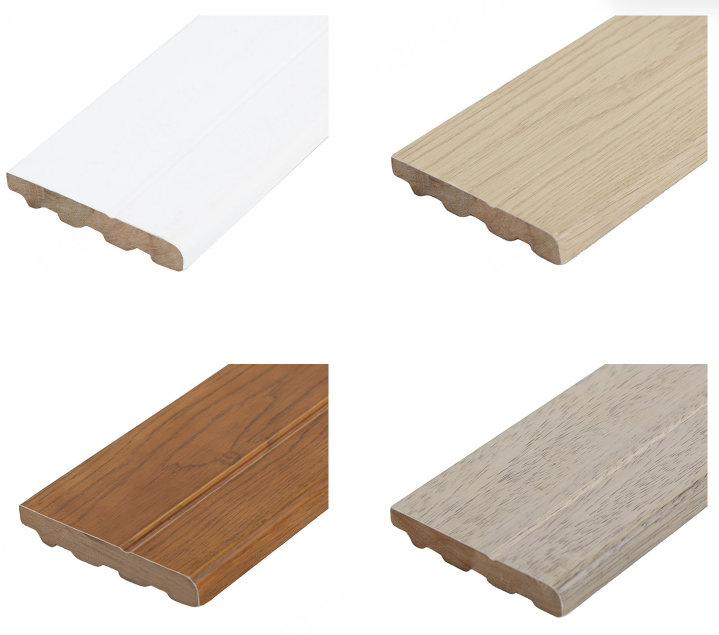
Waterproof cork still needs sealed edges and prompt spill removal, because seams and perimeter gaps can admit water. Andiwilson discusses edge sealing, pipe collars and threshold profiles before installation. In an illustrative bathroom dry zone, a threshold profile separated cork from tile, and pipe collars were sealed. The shower remained tiled. The aim is moisture awareness, not a claim that cork suits every wet area. Current product documents and fitting guidance should be confirmed before ordering.
Floating Installation and Acclimatisation

Floating Installation and Acclimatisation

Floating installation allows cork planks to be laid over underlay without adhesive, but acclimatisation and expansion gaps still matter. Andiwilson discusses subfloor flatness, moisture checks and perimeter gaps before fitting. In an illustrative kitchen-diner, planks were acclimatised and laid over moisture-resistant underlay, with gaps sealed at cabinetry. The aim is a stable floor, not a universal installation method. Current fitting guidance and site conditions should be confirmed before work begins.
onlineONLINE