Engineered Oak Flooring: Stable, Heat-Compatible Solutions

Get a Free Quote

Our representative will contact you soon.
Email
Mobile/WhatsApp
Name
Company Name
Message
0/1000

Andiwilson Engineered Oak Flooring for Stable, Versatile Interiors

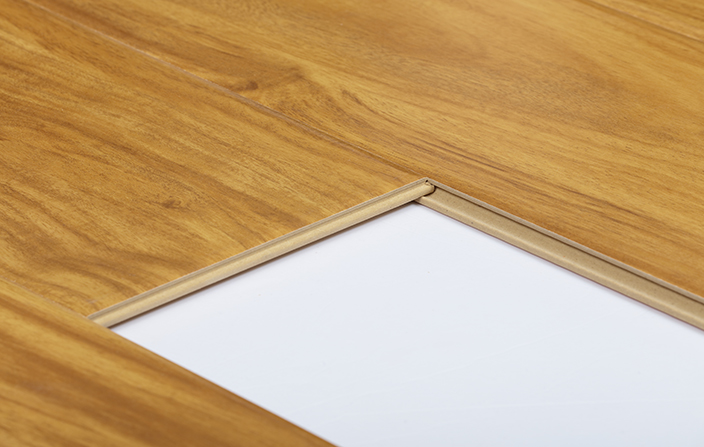
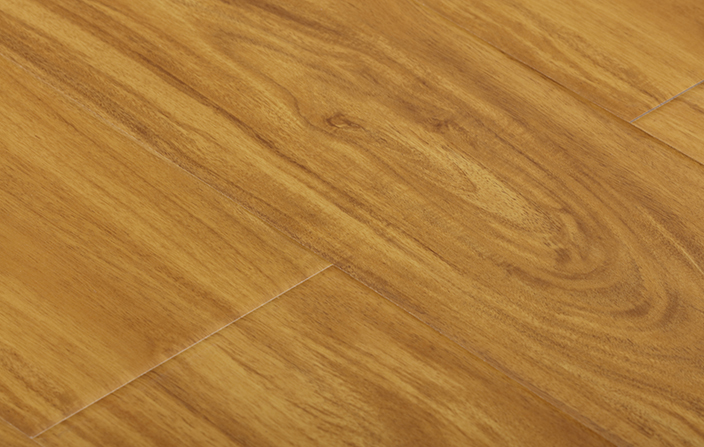
Engineered oak flooring pairs a real oak wear layer with a plywood or HDF core, which improves dimensional stability compared with solid oak. Andiwilson reviews wear layer thickness, core construction, plank width and finish before order. Illustrative projects include a school library with 14 mm boards, a riverside apartment with underfloor heating and a gallery shop with wide planks. Acclimatisation and subfloor moisture checks are agreed early. Oak shows natural colour variation, so sorting and sample approval matter. Suitability should be confirmed against current technical documents and site conditions rather than assumed for every interior.
Get A Quote

Case Study

School Library with 14 mm Oak Boards

An illustrative school library used 14 mm engineered oak boards, 190 mm wide, across 120 m². The plywood core helped near exterior doors where humidity shifts. Boards were acclimatised and dry-laid to check shade before floating over acoustic underlay. A matte lacquer was chosen for easy cleaning. Perimeter gaps were concealed with skirting, and felt pads were fitted to reading chairs. The facilities team agreed dry mopping and prompt spill removal. Two spare packs were stored for future repairs. The brief focused on joint stability, shade blending and low-maintenance cleaning, with suitability checked against current technical documents.

Riverside Apartment with Underfloor Heating

An illustrative riverside apartment used 15 mm engineered oak boards, 220 mm wide, over a low-temperature underfloor heating system across 58 m². Heating was commissioned gradually before installation, and subfloor moisture was checked. Boards were acclimatised and glue-down over a levelled screed with a vapour barrier. A dry-lay checked grain and shade variation. A matte oil finish was selected for a natural look. The household agreed humidity monitoring and dry mopping. Two spare boards were stored. The brief addressed heating compatibility, wide-plank stability and finish care, with suitability confirmed against current technical documents.

Gallery Shop with Wide Oak Planks

An illustrative gallery shop used 14 mm engineered oak boards, 240 mm wide, across 75 m². The wide planks reduced visible joints and created a calm backdrop for displays. Boards were acclimatised and floated over a foam underlay with a vapour barrier over concrete. A dry-lay checked grain and shade under track lighting. A matte lacquer was chosen to reduce reflections. Perimeter gaps were detailed at display walls. Staff agreed daily dust mopping and prompt spill wiping. One spare pack was retained. The brief focused on visual continuity, joint stability and cleaning routine, with suitability checked against current technical documents.

Related products

Engineered oak flooring is built from a real oak wear layer bonded to a multi-layer plywood or HDF core. The core improves dimensional stability compared with solid oak and allows wider planks and floating installation. Andiwilson supports projects by reviewing wear layer thickness, core construction, plank width, finish and installation method before order. Illustrative specifications use 12–15 mm boards in school libraries, riverside apartments and gallery shops. Wear layers commonly range from 2 mm to 6 mm, with thicker layers offering more refinishing potential. Installation may be floating over underlay, glue-down over concrete or staple-down over wood subfloors, with a vapour barrier where required. Acclimatisation and subfloor moisture checks are agreed before fitting. A dry-lay helps check grain, shade variation and layout. Engineered oak can suit low-temperature underfloor heating when confirmed by the manufacturer, but heating should be commissioned gradually. Andiwilson provides care notes covering dry mopping, neutral cleaner and finish inspection. Performance depends on core quality, site humidity and maintenance, so project teams should confirm current technical documents and installation guidance before ordering.
Frequently Asked Questions

How does engineered oak differ from solid oak?

Engineered oak has a real oak wear layer over a plywood or HDF core, while solid oak is one piece of timber. The core improves dimensional stability and allows wider planks and floating installation. Andiwilson advises comparing wear layer, core and thickness against the room conditions before choosing.
Illustrative specifications often use 2–6 mm wear layers, with thicker layers offering more refinishing potential. The right choice depends on traffic, maintenance plans and whether the floor may be sanded later. Andiwilson advises checking current technical documents and samples rather than assuming a thicker layer always suits every project.
Many engineered oak products suit low-temperature underfloor heating when confirmed by the manufacturer. Heating should be commissioned gradually, and surface limits checked before installation. Andiwilson advises reviewing core construction, heating guidance and current documents before specification, because not every engineered board is suitable.
Boards are usually conditioned in the room before fitting, with moisture content checked against site conditions. Time depends on species, core and climate. Andiwilson advises confirming acclimatisation requirements and humidity targets in the current documents before delivery, especially where heating or air conditioning runs.
Routine care usually involves dry mopping and occasional damp wiping with a neutral cleaner. Avoid wet mopping, steam cleaners and abrasive pads unless product guidance permits them. Felt pads and entrance matting help reduce marks. Andiwilson provides care notes, but finishes and cleaning products should be checked against the selected system.

Related article

Quartz Fiber Board for Medical and Commercial Buildings: A New Generation of A-Class Fireproof Decorative Wall Panels

30

Jul

Quartz Fiber Board for Medical and Commercial Buildings: A New Generation of A-Class Fireproof Decorative Wall Panels

View More
Why Should Designers Use Custom Textured Wall Panels for Feature Walls?

07

Oct

Why Should Designers Use Custom Textured Wall Panels for Feature Walls?

A Feature Wall Is a Working Surface, Not a Backdrop Designers often choose a feature wall from a rendering first. A bold texture or metallic finish looks convincing in perspective, then the built wall reveals problems the image never showed: glare fr...
View More
How to Choose the Right High Pressure Laminate Finish for Your Interior Surfaces?

19

Oct

How to Choose the Right High Pressure Laminate Finish for Your Interior Surfaces?

Start With the Wear Layer, Not the Color Card High pressure laminate finish selection often begins with a color card and a visual preference. That sequence is backward. The finish on an HPL surface is a performance layer before it is a decorative lay...
View More
A Complete Guide to Choosing the Right Exterior Wall Laminated Panels for Your Next Project.

23

Oct

A Complete Guide to Choosing the Right Exterior Wall Laminated Panels for Your Next Project.

Fire Classification Comes Before Aesthetics Specifying exterior wall laminated panels for a new project usually begins with a finish sample, a color, and a profile. That order is risky. A facade panel on a commercial building is part of a life safety...
View More

Engineered Oak Flooring Planning Notes

Laura Chen

A planning note for a school library described 14 mm engineered oak boards across 120 m². The plywood core helped near exterior doors where humidity shifts. Boards were acclimatised and dry-laid to check shade before floating over acoustic underlay. A matte lacquer was chosen for easy cleaning, and two spare packs were stored. The note focused on joint stability, shade blending and low-maintenance cleaning, with suitability checked against current technical documents.

James Patel

A planning note for a gallery shop described 14 mm engineered oak boards, 240 mm wide, across 75 m². The wide planks reduced visible joints under track lighting. Boards were acclimatised and floated over foam underlay with a vapour barrier. A matte lacquer was chosen to reduce reflections. Staff agreed daily dust mopping and prompt spill wiping, and one spare pack was retained. The note focused on visual continuity, joint stability and cleaning routine.

Get a Free Quote

Our representative will contact you soon.
Email
Mobile/WhatsApp
Name
Company Name
Message
0/1000
Wear Layer Thickness and Refinishing Options

Wear Layer Thickness and Refinishing Options

Wear layer thickness affects refinishing potential in engineered oak flooring. Andiwilson discusses wear layer, traffic and maintenance before order. In an illustrative riverside apartment, a 4 mm wear layer was selected for a 15 mm board over underfloor heating. Thicker layers may allow more sanding, but core quality, finish type and site humidity also matter. The aim is a build-up suited to the room, not a universal recommendation. Current technical documents and samples should be confirmed before ordering, because refinishing options vary by product.
Core Construction and Underfloor Heating

Core Construction and Underfloor Heating

Core construction affects how engineered oak performs over underfloor heating. Andiwilson discusses core type, heating limits and adhesive or underlay compatibility before specification. In an illustrative riverside apartment, heating was commissioned gradually before glue-down over a levelled screed. The plywood core helped with dimensional control across a wide area. Not every engineered board suits heated floors, so current documents should be checked. The aim is a compatible system, not a universal claim. Site conditions and installation guidance should be confirmed before work begins.
Shade Variation and Dry-Lay Planning

Shade Variation and Dry-Lay Planning

Oak shows natural shade variation, so dry-lay planning helps blend boards before fixing. Andiwilson discusses grade, batch references and sample approval before order. In an illustrative gallery shop, boards were dry-laid under track lighting to check grain and shade before floating. The aim is a balanced appearance, not a promise that every board will match exactly. Natural variation and batch differences should be expected. Approved samples and current technical documents should be retained for future reference and maintenance planning.
onlineONLINE