Vintage Parquet Flooring for Heritage Interiors [2024 Guide]

Get a Free Quote

Our representative will contact you soon.
Email
Mobile/WhatsApp
Name
Company Name
Message
0/1000

Andiwilson Vintage Parquet Flooring for Heritage-Style Interiors

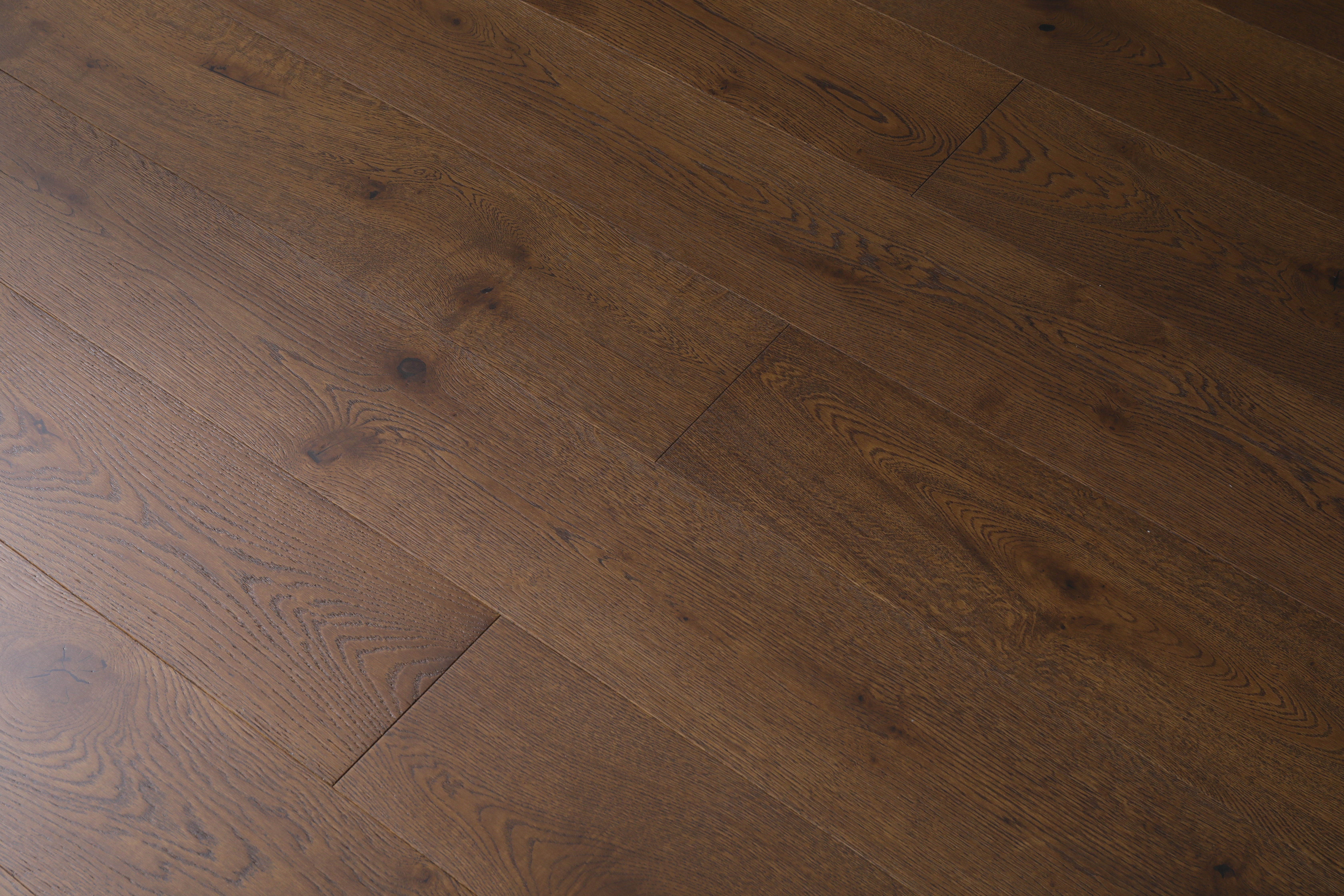
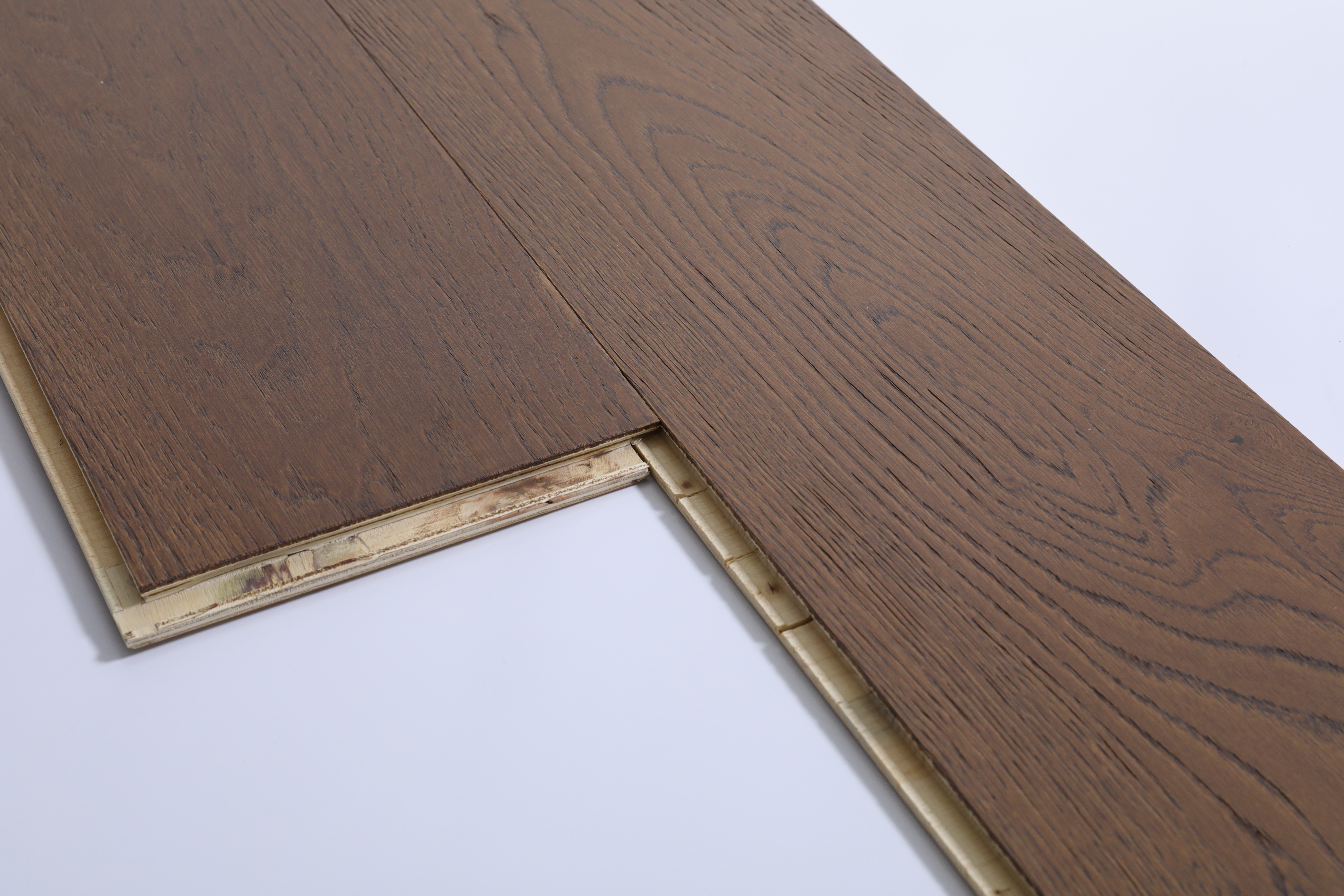
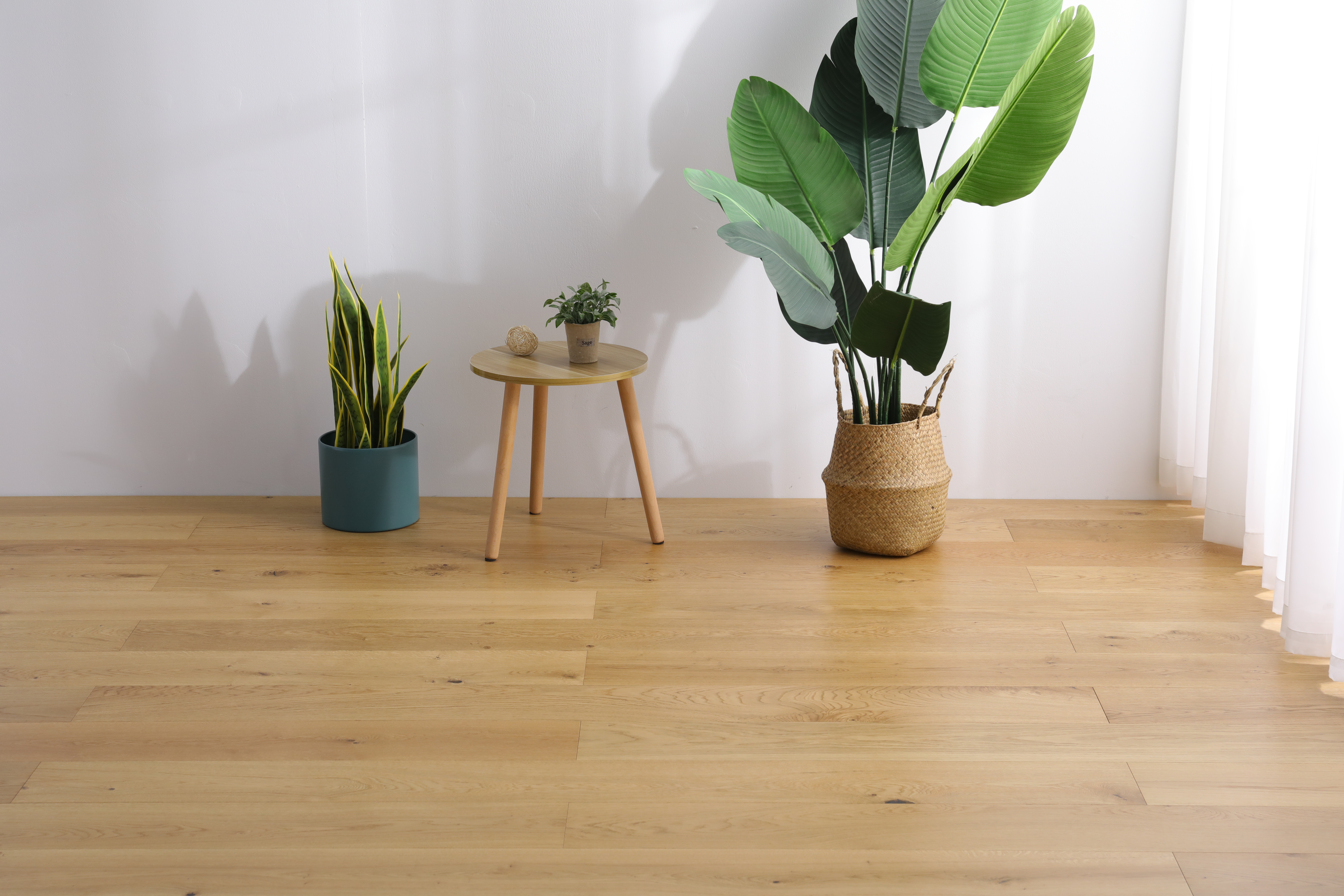
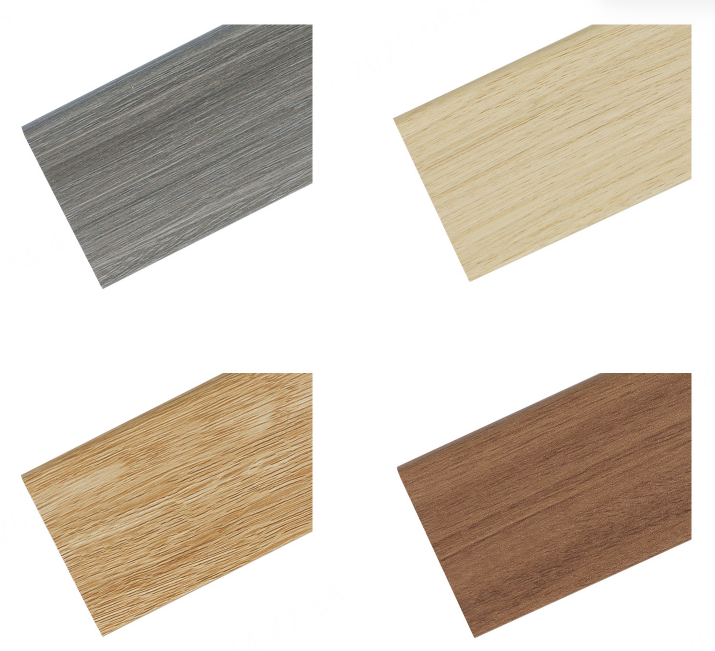
Vintage parquet flooring suits heritage renovations, boutique hotels, and character retail spaces where pattern and aged surface texture matter. Andiwilson reviews timber species, pattern, thickness, moisture content, and finish before specification. Illustrative specifications often use 15–20 mm boards, 70–120 mm wide, in herringbone, chevron, or basket-weave layouts. Surface treatments may include brushing, staining, oiling, or hand-scraped effects. Acclimatisation and subfloor moisture checks are agreed before installation. Care notes cover dry mopping, neutral cleaner, and periodic finish inspection. Suitability should be confirmed against current technical data and site conditions rather than assumed for every period property.
Get A Quote

Case Study

Heritage Townhouse Reception Room Restoration

An illustrative heritage townhouse project used reclaimed oak parquet in a herringbone pattern for a reception room. Boards were acclimatised and moisture content checked before fitting over a prepared subfloor. Existing skirting concealed perimeter gaps. A hand-scraped finish was sample-approved under room lighting. The owner agreed dry mopping and an annual finish inspection. Two spare bundles were stored for repairs. The brief focused on pattern continuity, surface character, and refinishing planning, with suitability checked against current technical data and installation guidance.

Boutique Hotel Lounge with Chevron Parquet

An illustrative boutique hotel lounge used engineered oak chevron parquet across a seating area. The specification checked underfloor heating compatibility, acclimatisation, and subfloor flatness before laying. A matte oiled finish was selected for footfall comfort. Boards were labelled by zone for evening installation. Housekeeping agreed dry mopping and prompt spill wiping. One spare bundle was retained. The brief addressed pattern alignment, heating compatibility, and maintenance planning, with performance confirmed against the selected grade and current installation guidance.

Vintage Retail Store with Basket Weave Parquet

An illustrative vintage retail store used solid walnut basket-weave parquet for a display floor. Boards were glue-down over levelled concrete with a vapour barrier. Samples were reviewed under track lighting before approval. Staff agreed dry mopping and felt pads under display stands. Two spare bundles were stored for layout changes. The brief prioritised pattern character, cleanability, and future refinishing, with suitability confirmed against current technical data and installation guidance rather than assumed for every retail environment.

Related products

Vintage parquet flooring is made from small timber blocks arranged into patterns such as herringbone, chevron, basket weave, or Versailles. It can be solid or engineered, with surface treatments including brushing, staining, oiling, and hand-scraped effects to create an aged appearance. Andiwilson supports projects by reviewing timber species, pattern, thickness, moisture content, installation method, and finish before order. Illustrative specifications often use 15–20 mm boards, 70–120 mm wide. Installation may be nail-down, glue-down, or floating for engineered formats, with acclimatisation and subfloor moisture checks agreed beforehand. Pattern layout affects cutting waste and installation time, so dry-lay samples are recommended. Care notes cover dry mopping, neutral cleaner, furniture pads, and periodic finish inspection. Performance depends on timber grade, site conditions, and maintenance, so project teams should confirm current technical data and installation guidance before ordering. This practical approach helps designers specify vintage parquet without overstating dimensional stability or wear resistance.
Frequently Asked Questions

What is vintage parquet flooring?

It is small timber blocks arranged into patterns such as herringbone or chevron, often with an aged or textured finish. It can be solid or engineered. Andiwilson advises checking species, pattern, moisture content, and installation method against current technical data before specification.
Engineered parquet may suit low-temperature underfloor heating when confirmed by the manufacturer. Solid parquet is more sensitive. Check temperature limits, acclimatisation, and subfloor conditions. Andiwilson advises reviewing current technical data and heating system requirements before installation.
Routine care usually involves dry mopping and occasional damp wiping with a neutral cleaner. Avoid wet mopping and abrasive products. Felt pads and entrance matting help reduce marks. Andiwilson provides care notes, but cleaning products and finish maintenance should be checked against the selected system.
Common patterns include herringbone, chevron, basket weave, and Versailles. Pattern choice affects cutting waste, installation time, and visual scale. Andiwilson recommends reviewing a dry-lay sample and confirming current installation guidance before ordering, especially in rooms with many doorways or fixtures.
Solid parquet can often be sanded and refinished when thickness allows. Engineered parquet depends on wear layer thickness. Andiwilson advises checking current guidance and using an experienced contractor before scheduling refinishing, because the number of possible cycles varies.

Related article

Quartz Fiber Board for Medical and Commercial Buildings: A New Generation of A-Class Fireproof Decorative Wall Panels

30

Jul

Quartz Fiber Board for Medical and Commercial Buildings: A New Generation of A-Class Fireproof Decorative Wall Panels

View More
Why Should Designers Use Custom Textured Wall Panels for Feature Walls?

07

Oct

Why Should Designers Use Custom Textured Wall Panels for Feature Walls?

A Feature Wall Is a Working Surface, Not a Backdrop Designers often choose a feature wall from a rendering first. A bold texture or metallic finish looks convincing in perspective, then the built wall reveals problems the image never showed: glare fr...
View More
How to Choose the Right High Pressure Laminate Finish for Your Interior Surfaces?

19

Oct

How to Choose the Right High Pressure Laminate Finish for Your Interior Surfaces?

Start With the Wear Layer, Not the Color Card High pressure laminate finish selection often begins with a color card and a visual preference. That sequence is backward. The finish on an HPL surface is a performance layer before it is a decorative lay...
View More
A Complete Guide to Choosing the Right Exterior Wall Laminated Panels for Your Next Project.

23

Oct

A Complete Guide to Choosing the Right Exterior Wall Laminated Panels for Your Next Project.

Fire Classification Comes Before Aesthetics Specifying exterior wall laminated panels for a new project usually begins with a finish sample, a color, and a profile. That order is risky. A facade panel on a commercial building is part of a life safety...
View More

Illustrative Vintage Parquet Specification Notes

Emily Carter

An illustrative heritage townhouse note described reclaimed oak herringbone parquet in a reception room. Boards were acclimatised and moisture checked before fitting over a prepared subfloor. A hand-scraped finish was sample-approved under room lighting. The owner agreed dry mopping and annual finish inspection. Two spare bundles were stored. The note focused on pattern continuity, surface character, and refinishing planning, with suitability checked against current technical data and installation guidance.

James Whitfield

An illustrative boutique hotel note described engineered oak chevron parquet in a lounge. Underfloor heating compatibility, acclimatisation, and subfloor flatness were checked before laying. A matte oiled finish was selected, and boards were labelled by zone for evening installation. Housekeeping agreed dry mopping and prompt spill wiping. One spare bundle was retained. The note addressed pattern alignment, heating compatibility, and maintenance planning, with performance confirmed against the selected grade and current installation guidance.

Get a Free Quote

Our representative will contact you soon.
Email
Mobile/WhatsApp
Name
Company Name
Message
0/1000
Heritage Patterns and Surface Treatments

Heritage Patterns and Surface Treatments

Vintage parquet patterns include herringbone, chevron, basket weave, and Versailles, while surface treatments range from brushing and staining to oiling and hand-scraped effects. Andiwilson discusses pattern scale, timber species, and finish samples before specification. In an illustrative townhouse project, a hand-scraped oak finish was approved under room lighting. The aim is an informed appearance choice, not a promise that every board will match exactly. Natural variation and batch differences should be expected. Current samples and technical data should be confirmed before ordering.
Moisture Content and Acclimatisation

Moisture Content and Acclimatisation

Timber parquet responds to humidity, so moisture content and acclimatisation matter. Andiwilson advises checking subfloor moisture, interior conditions, and board moisture before installation. In an illustrative hotel lounge, engineered boards were acclimatised and heating compatibility confirmed before laying. Expansion gaps were agreed at fixed elements. These steps support dimensional stability but do not remove the need for humidity control. Site conditions and current installation guidance should always be confirmed before work begins.
Installation Methods and Subfloor Preparation

Installation Methods and Subfloor Preparation

Vintage parquet may be nail-down, glue-down, or floating for engineered formats. Andiwilson discusses subfloor flatness, moisture barriers, and fixing methods before production. In an illustrative retail project, solid walnut basket-weave parquet was glue-down over levelled concrete with a vapour barrier. Dry-lay samples helped agree pattern alignment and cutting waste. Installation method affects adhesive choice and expansion details. Current guidance and site conditions should be confirmed before ordering.
onlineONLINE