WPC Indoor Flooring for Commercial Acoustics & Stability

Get a Free Quote

Our representative will contact you soon.
Email
Mobile/WhatsApp
Name
Company Name
Message
0/1000

Acoustic Comfort and Dimensional Stability for Commercial Interiors

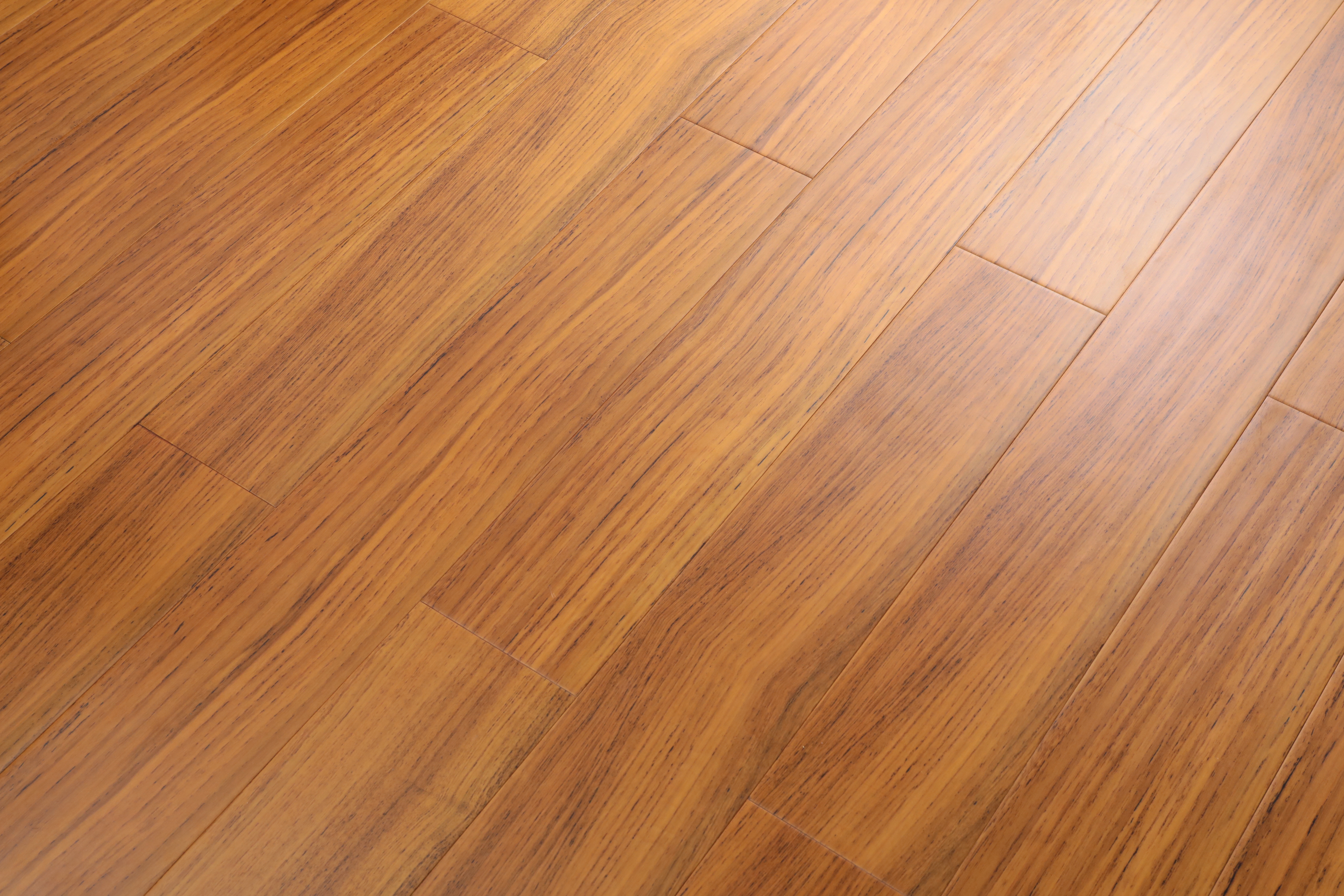
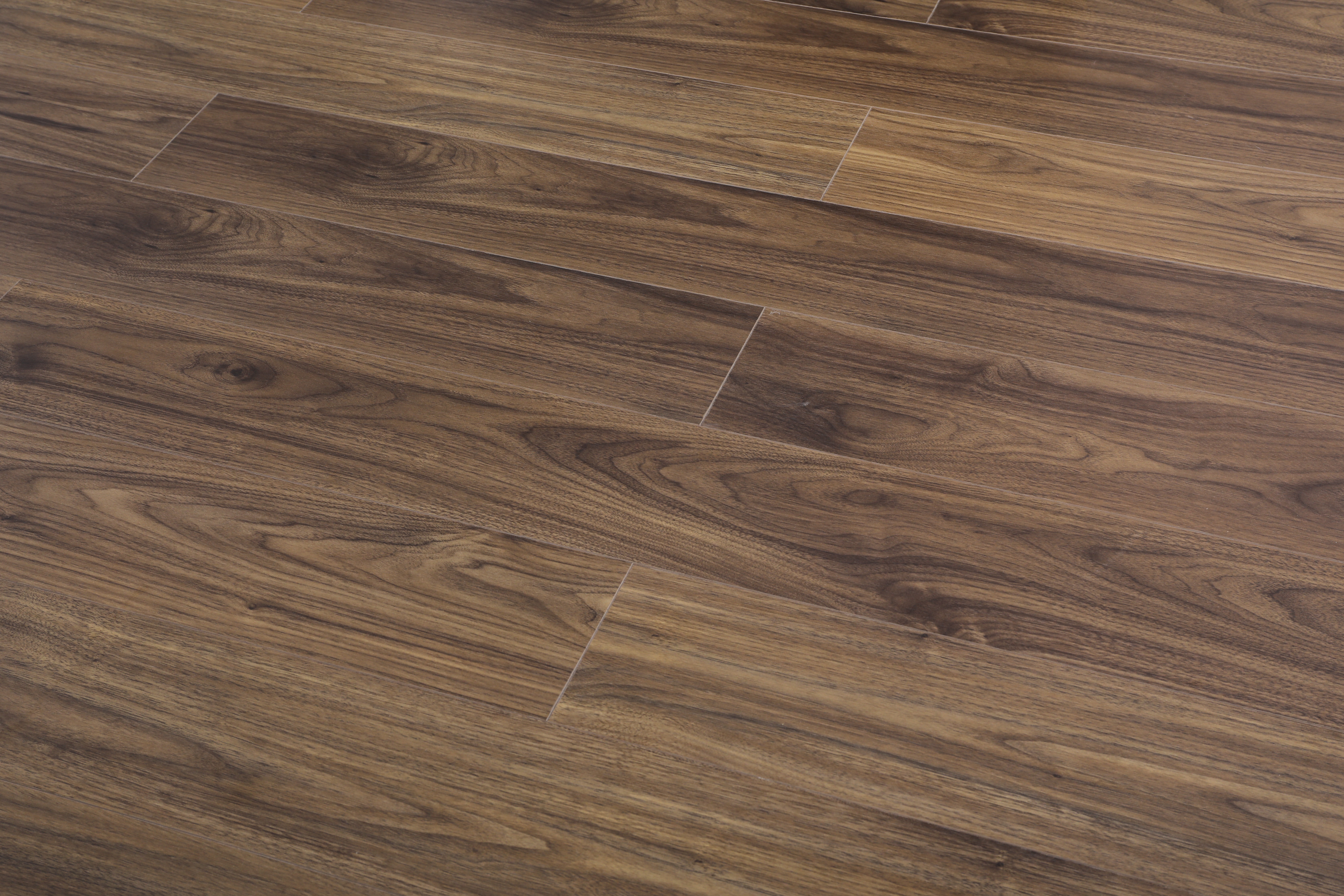
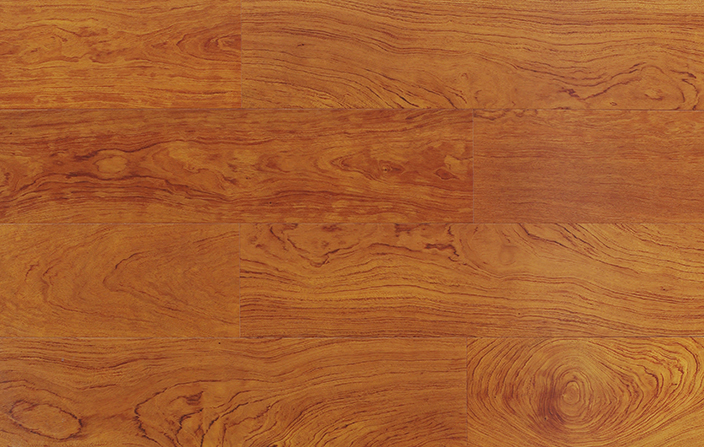
Wpc indoor flooring is increasingly specified for offices, hospitality venues, and multifamily projects where footfall noise and subfloor movement create persistent complaints. Unlike rigid mineral-core alternatives, the WPC foam core absorbs impact sound and conforms slightly underfoot, reducing the hollow echo common in hard-surface installations. Industry research places the global WPC flooring market at USD 6.27 billion in 2025, with commercial demand projected to grow at 7.90% annually through 2031, driven largely by acoustic and comfort requirements in upper-floor and mixed-use spaces. For project teams, this translates into fewer acoustic callbacks and greater occupant satisfaction without the cost of added underlayment.
Get A Quote

Case Study

Café Refurbishment with Tight Acoustic and Timeline Requirements

A café operator needed a floor that could absorb the clatter of busy service while meeting a compressed installation window. The specified WPC plank carried a 19dB acoustic rating and a drop-lock joint system. A 95-square-metre area was completed in approximately 24 labour-hours with a two-person team, allowing the venue to reopen on schedule. The waterproof core also eliminated concerns about spills and routine cleaning moisture, while the commercial-grade wear layer retained its appearance after months of daily foot traffic and furniture movement.

Office Fit-Out in a Temperature-Variable Climate

An office project in a region with pronounced seasonal temperature swings required a floor that would remain dimensionally stable under underfloor heating and dry winter air. The selected WPC construction demonstrated dimensional movement within a controlled tolerance under cyclic heating conditions, avoiding the gapping and peaking sometimes observed with alternative resilient products. After multiple heating seasons, the installation remained flat and fully engaged at the joints. Facility managers noted that daily cleaning required less water than the previous hard-surface floor, supporting faster turnover between shifts.

Multifamily Upper-Floor Retrofit with Acoustic Constraints

A multifamily renovation required a flooring solution for upper-floor units where impact noise transmission between levels was a recurring resident complaint. WPC’s open-cell structure and resilient surface were chosen to soften footfall sound without adding a separate acoustic underlay. The click-lock format allowed phased installation by unit, reducing disruption to occupied residences. Post-installation walkthroughs recorded fewer noise-related work orders compared with the prior hard flooring, and the waterproof core simplified cleaning in kitchens and entryways where spill risk is highest.

Related products

Andiwilson approaches WPC indoor flooring as a specification problem rather than a commodity purchase. The core is engineered for density and dimensional consistency, because a WPC plank that moves under heat or load will fail at the joint long before the surface wears through. Wear-layer options are matched to traffic class: lighter residential grades for bedrooms and living areas, and thicker commercial films for offices, retail, and hospitality where rolling loads and grit are routine. The click-lock profile is machined to tight tolerances so that planks engage fully and remain engaged across large continuous areas, a detail that directly affects callbacks and maintenance costs. Andiwilson supplies to residential and commercial projects through a trade-focused model, with documentation covering construction, wear-layer thickness, and recommended maintenance. The objective is not to claim universal superiority over every alternative, but to provide a WPC floor whose performance envelope is clearly defined, honestly represented, and matched to the actual conditions of the installation.

Frequently Asked Questions

Is WPC indoor flooring suitable for commercial spaces with heavy foot traffic?

Yes, when specified with an appropriate wear layer. Light commercial applications typically use a 0.3mm to 0.5mm wear layer, while heavier traffic may call for 0.7mm or a 30+ mil film. The core density and joint integrity are equally important for long-term performance under rolling loads.
WPC is generally compatible with underfloor heating when the system is brought to temperature gradually and surface temperatures remain within the manufacturer’s stated range. The foam core provides some thermal insulation, so response times may be slightly slower than with thin vinyl, but dimensional stability is maintained within the specified tolerance.
Routine cleaning with a damp mop and a pH-neutral cleaner is sufficient. Abrasive or strongly alkaline products should be avoided because they can dull the wear layer over time. For textured surfaces, a soft-bristle brush helps remove debris from embossed grain patterns without damaging the finish.
In many cases, yes, provided the existing floor is flat, sound, and clean. The click-lock format allows floating installation over ceramic tile, cured concrete, and most rigid substrates. A moisture barrier may be required over concrete, and any loose or damaged areas must be repaired before installation.
Lead times depend on the selected construction, wear layer, and order volume. Standard specifications generally ship within a defined production window after confirmation, while custom colours or textures may require additional scheduling. Project teams should confirm timelines at the quotation stage.

Related article

What Makes Compact Laminate the Ultimate Choice for High-Moisture Environments?

29

Sep

What Makes Compact Laminate the Ultimate Choice for High-Moisture Environments?

The Failure Point Is Almost Never the Face Most moisture damage in built environments does not start on the visible surface. It starts at a cut edge, a drilled hole, a seam, or a junction where one material meets another. A laminate-faced MDF board...
View More
How Do Exterior Wall Laminated Panels Help Reduce Carbon Footprint in Construction?

12

Oct

How Do Exterior Wall Laminated Panels Help Reduce Carbon Footprint in Construction?

The Carbon Argument Starts With How Little Aluminium Goes Into the Panel A laminated exterior panel is not a thin coat of paint over a solid metal sheet. It is a sandwich. Two thin aluminium skins sit on either side of a core that does most of the di...
View More
How to Choose the Right High Pressure Laminate Finish for Your Interior Surfaces?

19

Oct

How to Choose the Right High Pressure Laminate Finish for Your Interior Surfaces?

Start With the Wear Layer, Not the Color Card High pressure laminate finish selection often begins with a color card and a visual preference. That sequence is backward. The finish on an HPL surface is a performance layer before it is a decorative lay...
View More
A Complete Guide to Choosing the Right Exterior Wall Laminated Panels for Your Next Project.

23

Oct

A Complete Guide to Choosing the Right Exterior Wall Laminated Panels for Your Next Project.

Fire Classification Comes Before Aesthetics Specifying exterior wall laminated panels for a new project usually begins with a finish sample, a color, and a profile. That order is risky. A facade panel on a commercial building is part of a life safety...
View More

What Specifiers and Installers Report

Daniel Mercer

We used Andiwilson WPC in a 140-square-metre office refurbishment where the existing concrete subfloor was uneven in places. The click system was forgiving enough to accommodate minor variation without telegraphing through the plank, and the acoustic difference in the open-plan area was noticeable from the first week. Six months in, the surface still cleans up with a damp mop and there are no joint separations. The documentation on wear-layer thickness made the specification review straightforward.

Priya Nair

As an installer, I care less about marketing claims and more about whether the planks engage cleanly and stay engaged. This WPC ran consistently at the joints, even around a curved reception desk where we had to cut and fit. The material cut without chipping, and the locking profile held after the plank was tapped into place. The client chose a commercial wear layer, and the floor has handled chair castors and cleaning equipment without visible scuffing.

Get a Free Quote

Our representative will contact you soon.
Email
Mobile/WhatsApp
Name
Company Name
Message
0/1000
Acoustic Softening Without Added Underlay

Acoustic Softening Without Added Underlay

The foam core of WPC reduces impact sound at the source, rather than relying solely on a separate acoustic membrane. In upper-floor and hospitality projects, this characteristic helps address footfall noise between levels and within open areas. Specifiers evaluating acoustic performance can request the sound-reduction data associated with the selected construction and compare it against project requirements before committing to the specification.
Dimensional Stability Under Cyclic Conditions

Dimensional Stability Under Cyclic Conditions

WPC indoor flooring is engineered to resist the expansion and contraction that can cause gapping in temperature-variable environments. The core density and the click-joint tolerance work together to keep planks engaged across seasonal heating and cooling cycles. Project teams working in climates with wide temperature swings should verify the dimensional-stability specification for the chosen product and ensure that perimeter expansion allowances are followed during installation.
Wear-Layer Options Mapped to Traffic Class

Wear-Layer Options Mapped to Traffic Class

Rather than offering a single film thickness for every application, Andiwilson supplies WPC constructions with wear layers matched to residential, light commercial, and heavier commercial use. This allows the specifier to avoid overpaying for performance that is not required, while ensuring that higher-traffic zones receive a surface capable of withstanding grit, castors, and frequent cleaning. Wear-layer thickness is stated clearly in the product documentation to support comparative review.
onlineONLINE