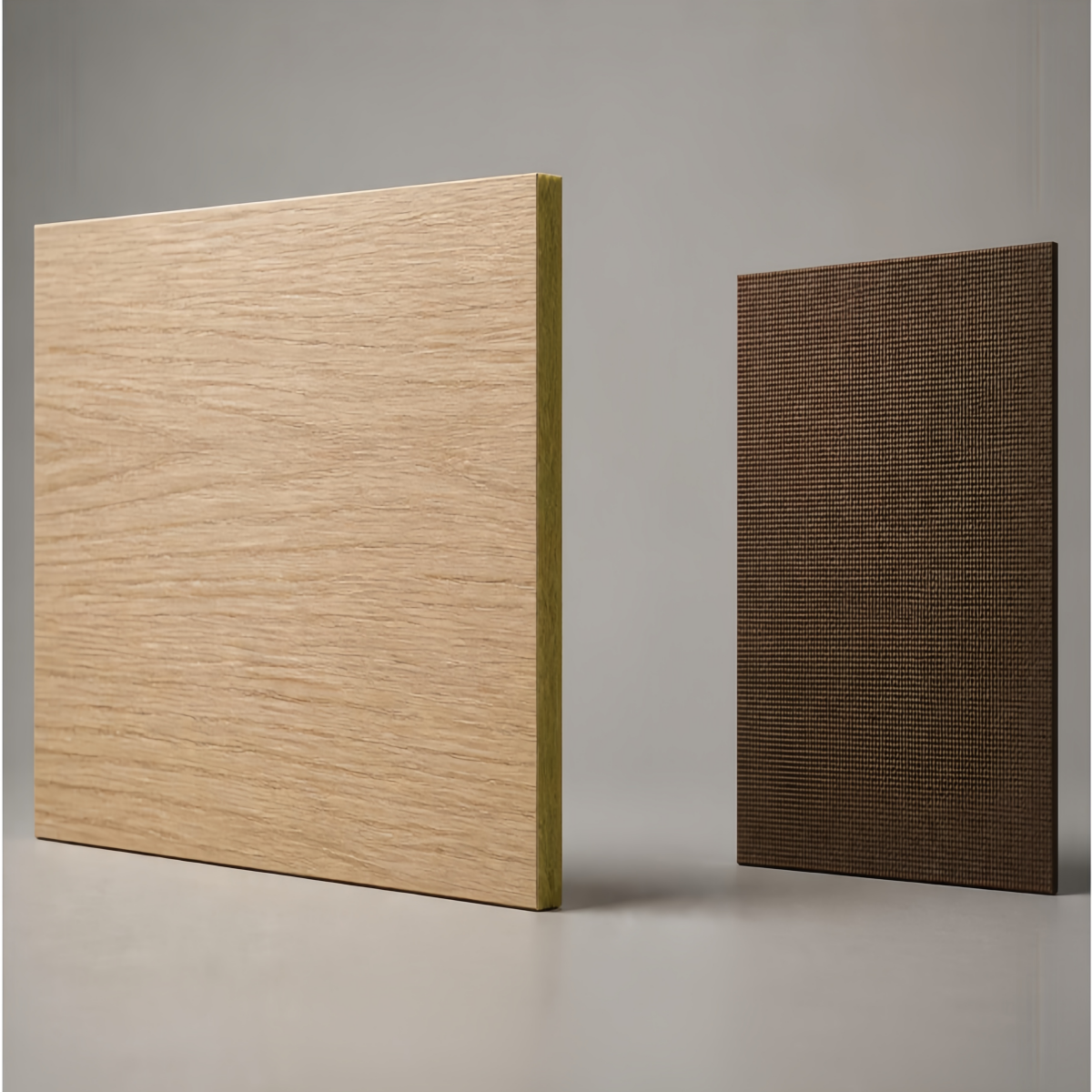
Compact Worktops for Commercial Counters: 12mm Solid Phenolic Solutions

Get a Free Quote

Our representative will contact you soon.
Email
Mobile/WhatsApp
Name
Company Name
Message
0/1000

Andiwilson Compact Worktops for Commercial Counter Surfaces

Compact worktops are solid-core decorative surfaces supplied for counters where exposed edges and routine cleaning matter. Andiwilson reviews thickness, decor, edge profile and fixing plan before order. In an illustrative food-truck prep counter, 12 mm compact worktops were cut with a sink opening and cable port, then edges were hand-polished. A dry-fit checked joint lines before brackets were fixed. Staff agreed neutral-detergent wiping and prompt spill removal. Offcuts were kept for repairs. Suitability should be confirmed against current product data.
Get A Quote

Case Study

Food-Truck Prep Counter with Sink Cut-Out

An illustrative food-truck build used 12 mm compact worktops across a 2.4 m prep run. The sheet was routed for a sink, cable port and bin recess, then edges were chamfered and polished. A dry-fit checked the sink opening against the tap position before brackets were fixed to the chassis. Operators agreed neutral-detergent wiping and prompt spill removal after service. One spare offcut was stored for repairs. The example focused on cut-out accuracy, edge finish and daily cleaning, with suitability checked against current product data and the truck's working routine.

School Art Room Bench Tops

An illustrative school art room used 13 mm compact worktops for four bench tops. Panels were cut with brush-wash sink openings and rounded corners, then edges polished. A dry-fit checked alignment against timber frames and wall battens. Sinks were sealed with flexible sealant at the rim. Teachers agreed neutral-detergent wiping and prompt removal of paint spills. Two spare panels were stored. The example addressed cut-out sealing, edge durability and straightforward cleaning, with suitability confirmed against current documents and the room's daily use rather than assumed for every classroom.

Office Tea Point and Print Station

An illustrative office tea point used 12 mm compact worktops across a 1.8 m counter. The panel was routed for a small sink and cable grommet, then edges were polished. A dry-fit checked the counter against cabinet modules and a printer recess below. Wall junctions were sealed with flexible sealant. Staff agreed neutral-detergent wiping and prompt spill removal. One spare offcut was kept. The example focused on joint alignment, edge finish and simple maintenance, with suitability checked against current product data and the office's daily routine.

Related products

Compact worktops are made by pressing resin-impregnated decorative layers into a dense solid sheet, usually 12–13 mm thick. Because the core runs through the full thickness, sink openings, cable ports and appliance recesses can be routed with edges polished in place, so separate edge banding is often unnecessary. Andiwilson supports projects by reviewing decor, sheet format, cut-out drawings and fixing method before production. Illustrative applications include food-truck prep counters, school art benches and office tea points. Sheets are commonly supplied at 2440 × 1220 mm or 3050 × 1300 mm, with protective film and batch labels. Fabricators nest components to control waste, and a dry-fit checks openings against taps and equipment before brackets are fixed. Cleaning usually involves neutral-detergent wiping and prompt spill removal, while joints and edges should be inspected periodically. Project teams should confirm current product data, sealing details and machining guidance before ordering, because support conditions and cut-out depth affect finished worktop performance.
Frequently Asked Questions

How do compact worktops differ from standard laminate worktops?

Standard laminate worktops usually bond a thin decorative sheet to chipboard or MDF, while compact worktops are solid core sheets, often 12–13 mm thick. The solid core allows exposed edges to be routed and polished. Andiwilson advises comparing thickness, edge detail and product data before choosing.
Small adjustments may be possible with suitable tooling, but most compact worktops are cut and edge-polished in a workshop. Site cutting can leave rough edges and dust. Andiwilson advises agreeing cut lists and machining guidance before production, and using an experienced fabricator for sink and appliance openings.
Illustrative specifications often use 12–13 mm compact worktops for commercial counters, with thinner boards suited to wall panels and fascias. Thickness affects rigidity, edge appearance and fixing requirements. Andiwilson advises confirming span, support and current product data before ordering.
Sink cut-outs are usually routed, then the rim is sealed with a suitable flexible sealant against the worktop. Edges should be polished, and wall junctions sealed. Andiwilson advises checking sealing details and current guidance before installation, because poor sealing can allow water behind the worktop.
Routine care usually involves neutral-detergent wiping and prompt removal of spills. Avoid abrasive pads and strong solvents unless product guidance permits them. Andiwilson provides care notes, but cleaning products should be checked against the selected surface and current recommendations.

Related article

Quartz Fiber Board for Medical and Commercial Buildings: A New Generation of A-Class Fireproof Decorative Wall Panels

30

Jul

Quartz Fiber Board for Medical and Commercial Buildings: A New Generation of A-Class Fireproof Decorative Wall Panels

View More
Prefabricated Modular Walls Take Another Leap Forward! Integrated Invisible Door Solutions Redefine the Boundaries of Spatial Aesthetics and Practicality

26

Jul

Prefabricated Modular Walls Take Another Leap Forward! Integrated Invisible Door Solutions Redefine the Boundaries of Spatial Aesthetics and Practicality

View More
What Are the Key Benefits of Using Exterior Wall Laminated Panels in High-Rise Buildings?

25

Sep

What Are the Key Benefits of Using Exterior Wall Laminated Panels in High-Rise Buildings?

The Code Question Comes Before the Marketing Pitch Any conversation about exterior wall laminated panels on high-rise buildings has to start with fire, not with aesthetics or installation speed. The reason is simple. A facade on a tall building is ...
View More
How Do Exterior Wall Laminated Panels Help Reduce Carbon Footprint in Construction?

12

Oct

How Do Exterior Wall Laminated Panels Help Reduce Carbon Footprint in Construction?

The Carbon Argument Starts With How Little Aluminium Goes Into the Panel A laminated exterior panel is not a thin coat of paint over a solid metal sheet. It is a sandwich. Two thin aluminium skins sit on either side of a core that does most of the di...
View More

Compact Worktop Planning Notes

Laura Chen

An illustrative food-truck planning note described 12 mm compact worktops across a 2.4 m prep run. The sheet was routed for a sink, cable port and bin recess, then edges chamfered and polished. A dry-fit checked the sink opening against the tap position before brackets were fixed to the chassis. Operators agreed neutral-detergent wiping and prompt spill removal after service. One spare offcut was stored. The note focused on cut-out accuracy, edge finish and daily cleaning, with suitability checked against current product data and the truck's working routine.

James Patel

An illustrative office tea point note described 12 mm compact worktops across a 1.8 m counter. The panel was routed for a small sink and cable grommet, then edges polished. A dry-fit checked the counter against cabinet modules and a printer recess below. Wall junctions were sealed with flexible sealant. Staff agreed neutral-detergent wiping and prompt spill removal. One spare offcut was kept. The note focused on joint alignment, edge finish and simple maintenance, with suitability checked against current product data and the office's daily routine.

Get a Free Quote

Our representative will contact you soon.
Email
Mobile/WhatsApp
Name
Company Name
Message
0/1000
Solid Core Edges Without Banding

Solid Core Edges Without Banding

Compact worktops allow exposed edges to be routed and polished because the core runs through the full thickness. Andiwilson discusses edge profile, core colour and cut-out finish before production. In a food-truck planning note, 12 mm worktops were chamfered and hand-polished, with a dry-fit checking the sink opening against the tap position. The aim is a clean edge line, not a universal profile. Machining marks show more on dark cores. Current product data and trial cuts should be confirmed before ordering.
Nesting Sheets for Counter Runs

Nesting Sheets for Counter Runs

Sheet format and nesting affect yield when producing compact worktops. Andiwilson discusses standard sizes, component dimensions and cutting plans before order. In a school art room planning note, panels were cut with brush-wash sink openings and rounded corners, then edges polished. A dry-fit checked alignment against timber frames and wall battens. The aim is practical yield, not a universal sheet size. Offcuts and storage also matter. Current product data and cutting plans should be confirmed before production.
Sealing Sink and Wall Junctions

Sealing Sink and Wall Junctions

Sink cut-outs and wall junctions are key risk points for water ingress on compact worktops. Andiwilson discusses sealant type, edge finishing and fixing method before installation. In an office tea point planning note, a small sink opening was routed, edges polished, and wall junctions sealed with flexible sealant. The aim is a water-aware detail, not a guarantee against all ingress. Seals should be inspected periodically. Current product data and sealing guidance should be confirmed before work begins.
onlineONLINE