 EN

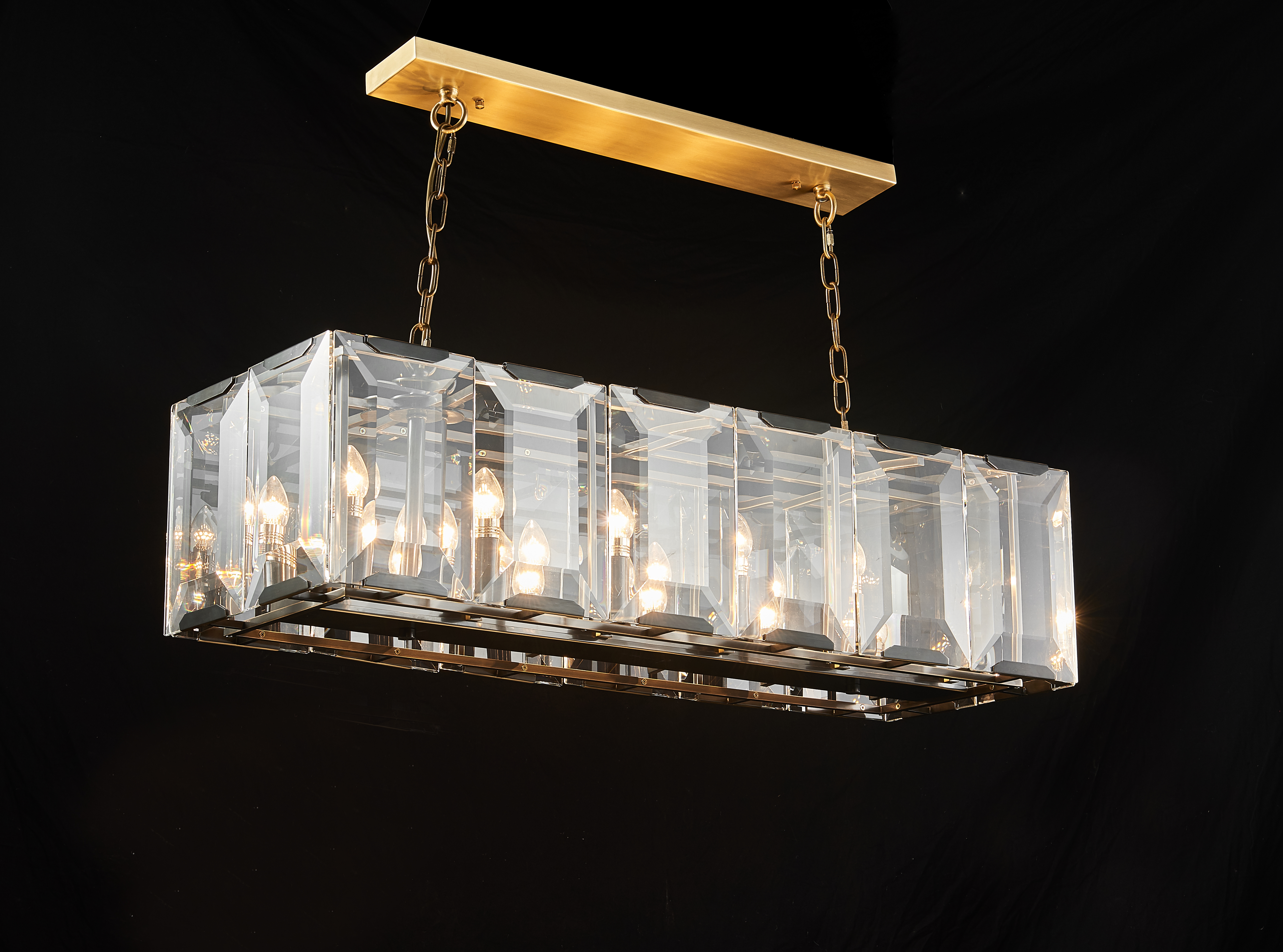
A Custom Lamp Gives the Suite a Signature Guests Remember
Walk into a luxury suite and the lighting is one of the first things the body registers, even before the eye names it. A standard bedside lamp with a stock shade does a job. A custom artistic lamp does a different job. It gives the room a signature, a shape, and a quality of light that guests associate with that property and not with the brand next door. Luxury hotels invest in custom lamps because differentiation at the suite level is hard to fake. Furniture can be copied. A custom lamp that was developed for a specific room, with a specific shade geometry and a specific light distribution, is much harder to replicate. The investment is not only in an object. It is in a memory cue that supports rate integrity and repeat stays.
Light Quality in a Suite Is a Guest Comfort Issue, Not a Decorative Extra
Guests judge a suite with their eyes and their skin. A lamp that flickers, shifts color, or renders skin tones poorly makes the room feel cheaper than it is. Custom artistic lamps give the hotel control over the light source, not just the fixture shape. The useful specifications are color rendering, color consistency, flicker, and dimming behavior. CRI Ra 90 is a reasonable floor for vanity and reading zones, yet CRI alone hides weaknesses in red rendering. ANSI/IES TM-30-20 gives Rf and Rg values that show whether skin, wood, and fabric stay believable. Flicker matters more in hospitality than in many other sectors because guests spend long, relaxed hours under the light, and because phone cameras are always out. A lamp that looks fine to the eye can produce banding on video. Dimming compatibility is its own trap. A fixture that dims smoothly on a wall box may misbehave on a centralized system. The lamp should be tested with the control gear that the hotel actually uses.
| Specification area | Stock decorative lamp | Custom artistic lamp for suites | Why it matters for hospitality |
|---|---|---|---|
| Light source control | Limited, often fixed | Source, CCT, and CRI selected for the room | Guest comfort and brand consistency |
| Flicker and dimming | Rarely tested with hotel controls | Validated with specified drivers and protocols | Avoids complaints and camera banding |
| Shade geometry | Standard sizes | Developed for the room and furniture scale | Visual signature and glare control |
| Serviceability | Often sealed | Module and driver accessible by design | Lower disruption during room turnover |
| Spares and finish matching | Catalog dependent | Batch control and spare parts planned | Keeps suites consistent over time |
Glare and Shadow Behavior Decide Whether the Lamp Belongs in a Suite
Decorative lamps in guest rooms are usually placed near beds, seating, and vanities. Those positions put the lamp close to the guest's eye line. A beautiful fixture with an exposed bright source can create discomfort glare at exactly the moment a guest is trying to relax. Custom lamps allow the designer to tune the relationship between the source, the shade, and the viewing angle. The goal is not to make the lamp dim. The goal is to keep the brightest point above or outside the guest's cone of vision while still delivering enough light for reading and for the room to feel warm. This is where custom development earns its cost. A stock lamp can be moved, but it cannot be re-engineered. A custom lamp can be adjusted at the prototype stage until the glare profile and the shadow pattern are right for the room.
The Maintenance Math Is Where Custom Lamps Prove Themselves
A luxury suite turns over constantly. Lamps get cleaned, moved, and occasionally knocked. A decorative fixture that cannot be serviced without dismantling the shade becomes a maintenance burden that shows up in room downtime. Custom artistic lamps can be designed around service access from the start: a driver that sits in a remote or accessible location, a module that can be replaced without removing the decorative body, and a finish that can be matched from a retained batch. In a suite renovation project at a city hotel, the design team first selected a sculptural lamp with a sealed base because it looked right in the render. After a few months of operation, drivers began failing, and each replacement required removing the lamp and part of the surrounding furniture. The final specification moved to a custom lamp with an accessible driver compartment and a retained finish batch. The visual design survived, but the maintenance plan became workable. That kind of adjustment is common when the lamp is specified as an object rather than as part of the room's operation.
Certification and Safety Are Not Optional in Guest Environments
Hospitality projects are subject to electrical and fire safety review. UL 1598 in North America and IEC 60598 in many export markets set the baseline for luminaires. A decorative lamp still needs a listed driver, proper strain relief, correct wire insulation, and a label that matches the installation environment. Damp and wet location ratings matter for spa suites, covered terraces, and bathrooms with condensation risk. Emergency lighting and controls compatibility may also apply. A supplier that treats certification as paperwork is a risk in any project, and a bigger risk in a hotel where guests are unsupervised and the building operates every day. The custom lamp should be specified with the listing file and the tested assembly, not only with a photometric file. Artistic intent does not override electrical code.
A Sourcing Sequence That Protects the Design Intent and the Operation
A reliable sequence for custom suite lamps starts with the room and the guest experience, not the catalog. First, define the lighting layers: reading, ambient, vanity, and accent. Second, set the light quality targets: CRI, TM-30, CCT tolerance, flicker, and dimming protocol. Third, develop the shade geometry and the glare profile on a physical prototype under the actual room lighting. Fourth, confirm certification and service access. Fifth, plan spares and finish matching for future room turnovers. Each step narrows the next, and the lamp becomes a designed component of the suite rather than a decorative purchase. Andiwilson approaches custom artistic lamp production with source selection, optical assembly, and finish development kept inside a coordinated manufacturing and quality flow. That discipline helps hotel teams keep suites consistent across floors and phases, and it gives the maintenance department a fixture that can be serviced without guessing which batch the finish came from.
Table of Contents
- A Custom Lamp Gives the Suite a Signature Guests Remember
- Light Quality in a Suite Is a Guest Comfort Issue, Not a Decorative Extra
- Glare and Shadow Behavior Decide Whether the Lamp Belongs in a Suite
- The Maintenance Math Is Where Custom Lamps Prove Themselves
- Certification and Safety Are Not Optional in Guest Environments
- A Sourcing Sequence That Protects the Design Intent and the Operation