Andiwilson Waterproof Bamboo Flooring for Humid-Room Interiors
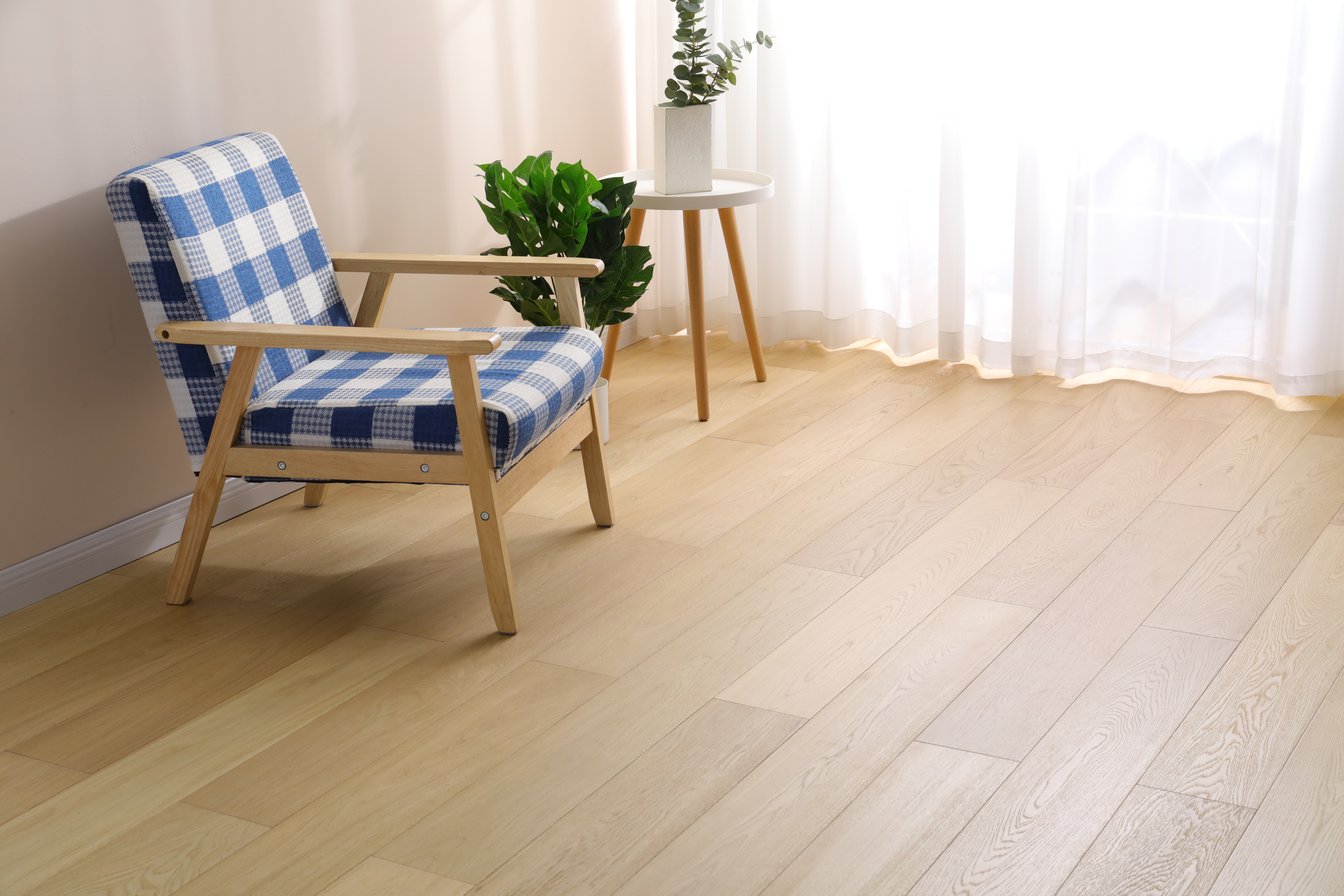
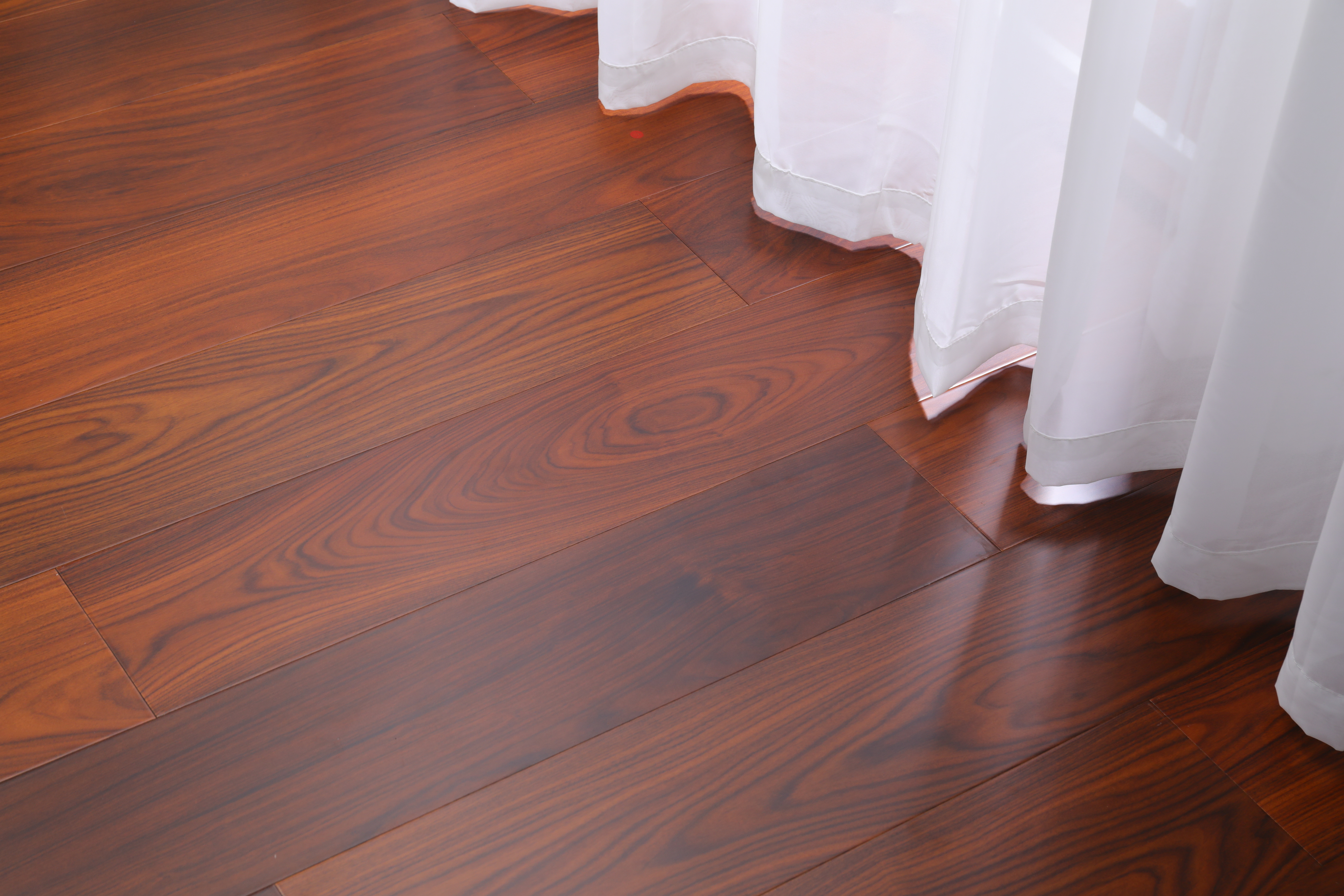
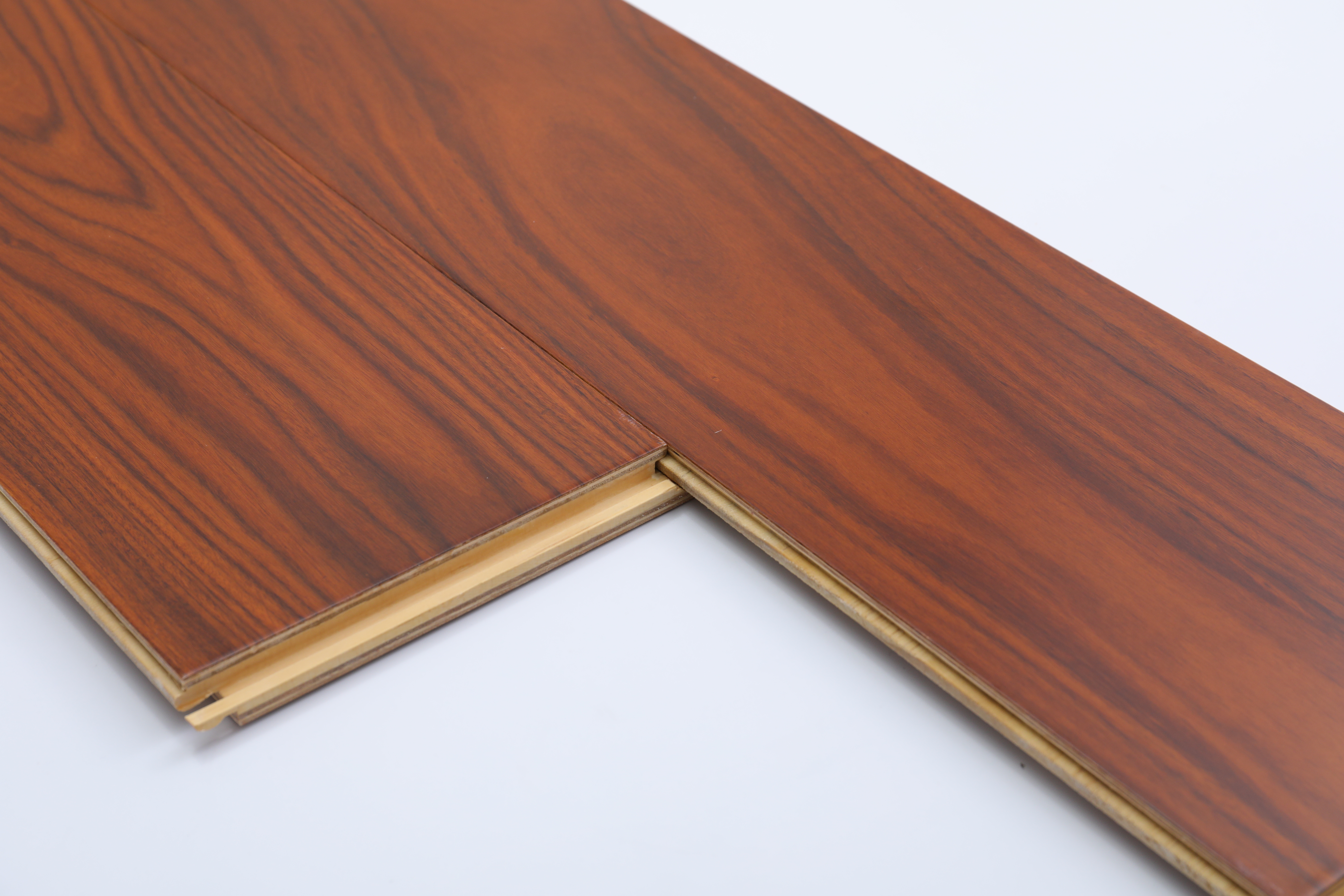
Strand-woven bamboo is compressed under heat and pressure into a dense plank, which gives it a firmer feel underfoot than many wood-based boards. Andiwilson reviews bamboo density, adhesive system, core construction and edge sealing before specification. Illustrative projects include family kitchens, restaurant dining rooms and hotel bathroom dry zones. Bamboo takes up moisture through seams and edges, so joint detailing and acclimatisation are agreed early. Colour varies between strips, and batch matching is discussed before order. The term waterproof is treated as a product claim to be checked against technical documents, not an absolute promise.
Get A Quote
 EN
 ONLINE