Top Compact Laminate Manufacturers for Project Consistency

Get a Free Quote

Our representative will contact you soon.
Email
Mobile/WhatsApp
Name
Company Name
Message
0/1000

Andiwilson Compact Laminate Manufacturing for Project Supply

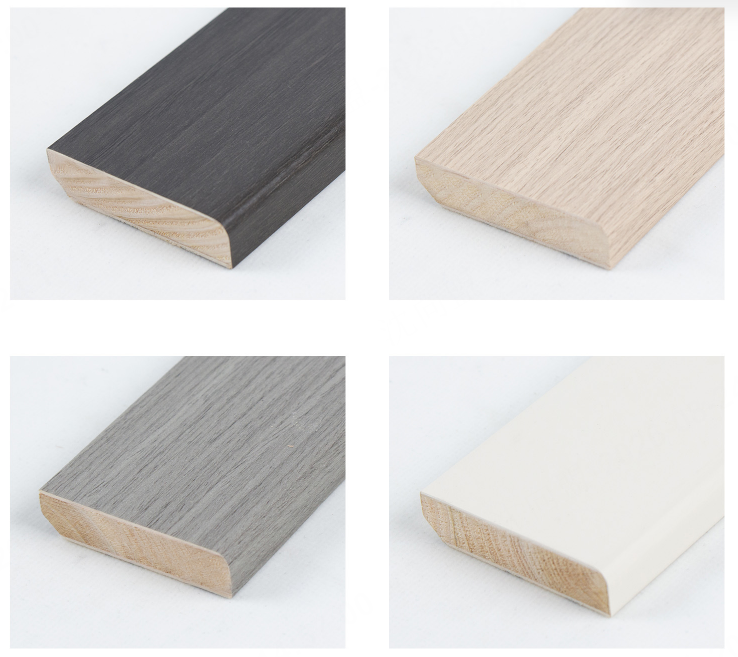
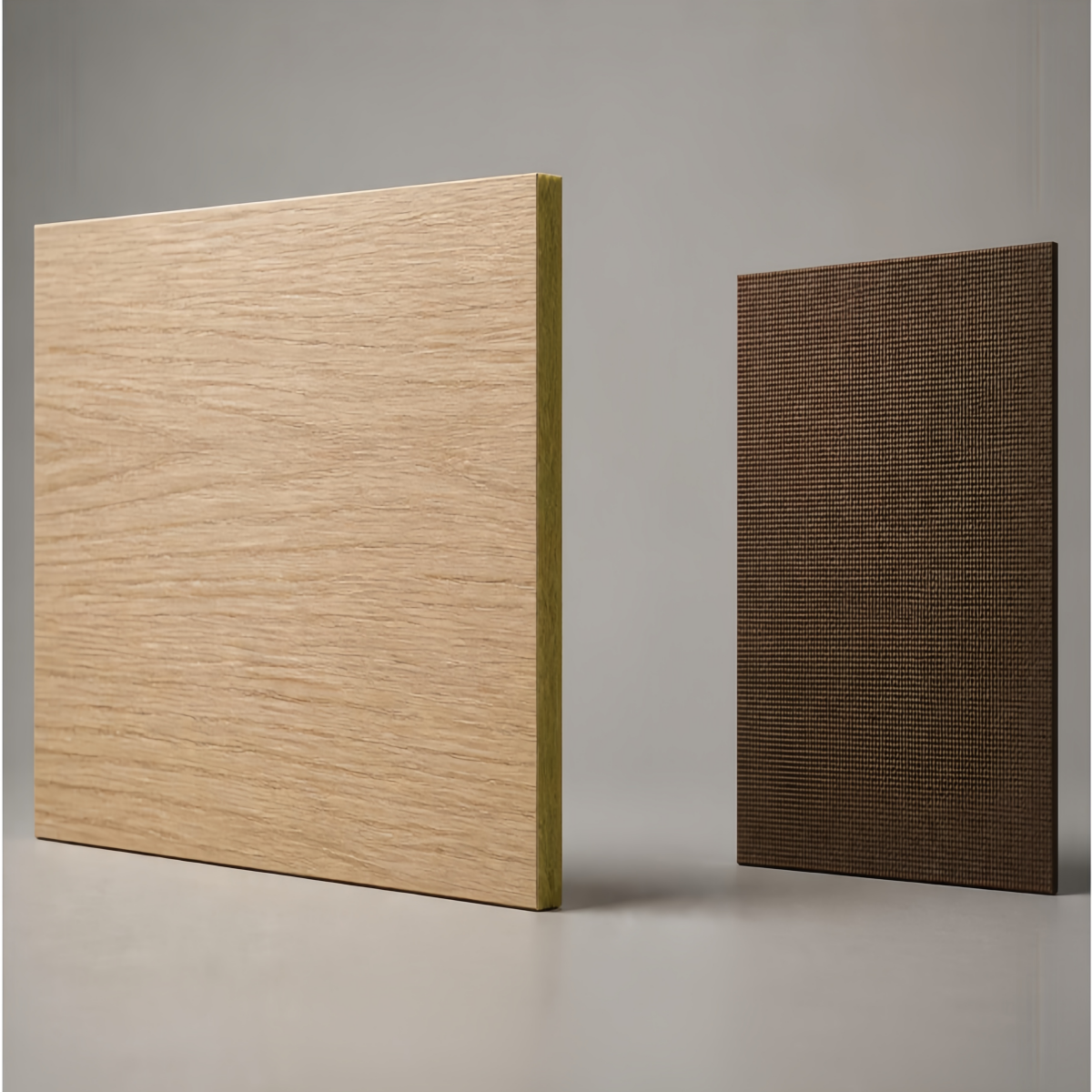
Compact laminate manufacturing centres on resin impregnation, lay-up, pressing and calibration. Thickness tolerance, core colour control and surface inspection affect how panels machine and how edges look after polishing. Andiwilson discusses these production points with project buyers who need consistent panels across phases. A planning exercise for a clinic package compared two production routes on thickness tolerance and surface defect checks. The aim is documented consistency, not a universal quality claim. Current technical documents and sample approval remain essential before ordering.
Get A Quote

Case Study

Clinic Package Production Route Comparison

An illustrative clinic package compared two compact laminate production routes for 13 mm panels. Evaluation covered thickness tolerance, core colour control and surface defect inspection. One route offered press-plate textures and machined edge samples for review. The buyer retained approval panels and requested batch references for phased delivery. A trial cutting run checked chip behaviour at service openings. The comparison focused on documented consistency and machining behaviour rather than broad performance claims. Current technical documents were reviewed before the order was confirmed.

Retail Brand Custom Surface Texture Trial

An illustrative retail brand requested a custom surface texture for compact laminate fixture panels. A manufacturer produced trial press plates and small sample runs so the design team could compare sheen and grain under store lighting. Thickness tolerance and core colour were checked on the trial panels. The buyer then confirmed a production batch with agreed packing and labelling. Trial runs help reduce late changes, but they do not guarantee identical results across every future batch. Current documents and approved samples should be retained.

Private-Label Supply for Multi-Site Rollout

An illustrative distributor explored private-label compact laminate supply for a multi-site rollout. The discussion covered press capacity, lead times, packaging under the distributor's brand and quality control sampling. A trial order tested thickness tolerance and edge machining before a larger batch was scheduled. Spare panels were retained for site repairs. The arrangement focused on documented specifications and realistic lead times rather than volume promises. Current availability and production schedules should be confirmed before ordering.

Related products

Compact laminate manufacturing begins with resin impregnation: decorative papers and core layers are saturated with phenolic or melamine resins, dried, stacked and pressed under heat and pressure. The pressing cycle determines density and cure, while calibration and sanding bring panels to thickness tolerance. Surface inspection then checks colour consistency, sheen and defects. Andiwilson supports project buyers by discussing these production points alongside panel thickness, decor and edge finishing. Illustrative work includes custom press-plate textures for retail fixtures, trial runs for clinic washroom panels and private-label supply for multi-site rollouts. Trial runs and approval panels help reduce late changes, but they do not guarantee identical results across every future batch. Packing, labelling and realistic lead times are agreed before production. Project teams should confirm current technical documents, thickness tolerance and machining behaviour before ordering.
Frequently Asked Questions

What does compact laminate manufacturing involve?

It involves resin impregnation, lay-up, pressing under heat and pressure, and calibration to thickness tolerance. Surface inspection then checks colour consistency and defects. Andiwilson advises discussing these production points, thickness tolerance and current technical documents before ordering.
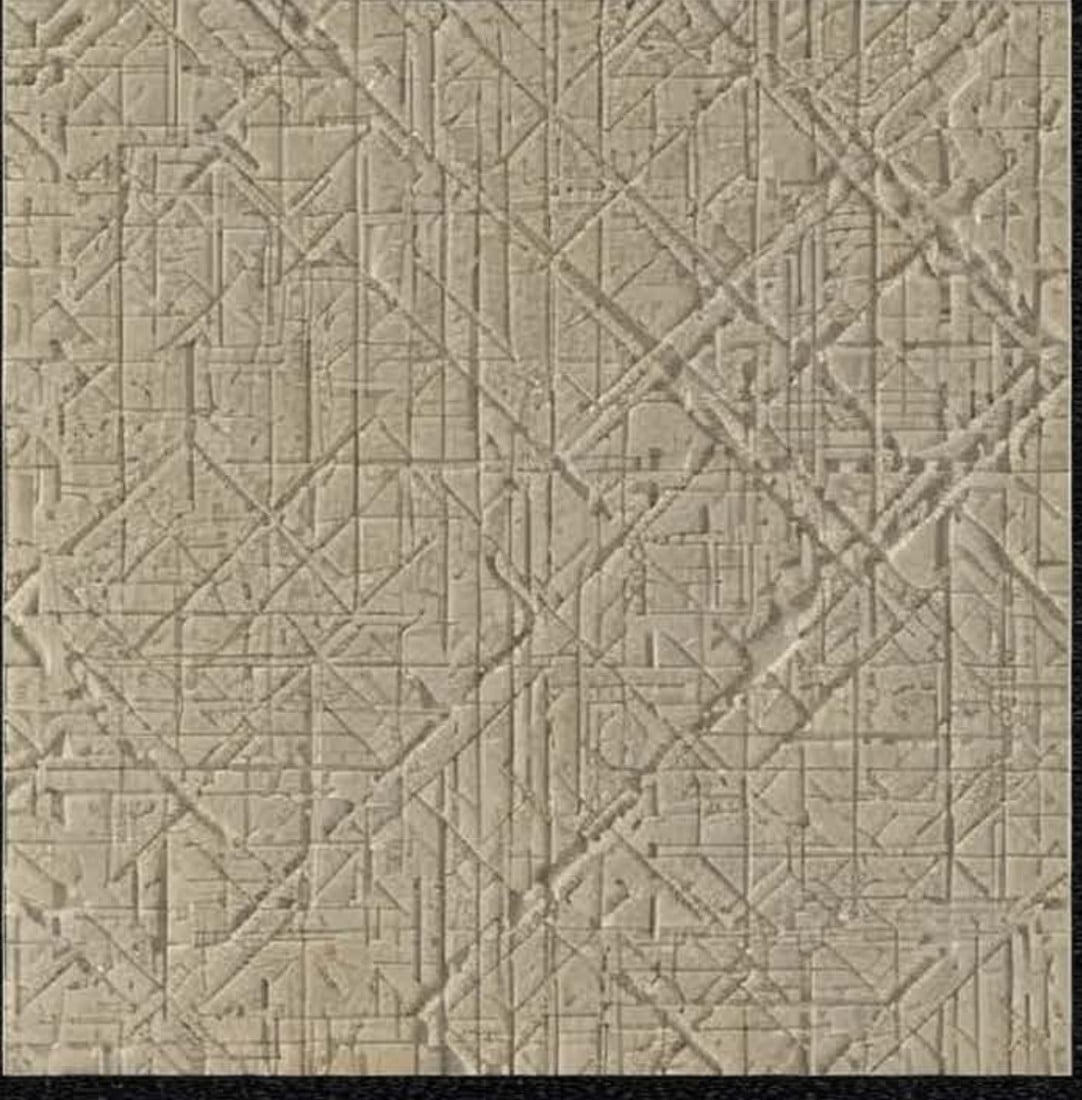
Some manufacturers can produce custom press plates for specific textures. Trial runs allow designers to compare sheen and grain under project lighting before a production batch is agreed. Andiwilson advises confirming feasibility, lead times and current documents, because custom work adds development time.
Calibration and sanding after pressing bring panels to the agreed thickness. Tolerance affects machining, edge appearance and joint alignment. Andiwilson advises checking stated tolerance and current technical documents before specification, because small differences can affect cut-outs and fixing.
It means panels are produced and packed under a distributor's brand. Specifications, thickness, surface texture and packaging are agreed in advance. Andiwilson advises confirming quality control sampling, lead times and current documents before ordering, because private-label arrangements vary between manufacturers.
Compare documented thickness tolerance, surface inspection methods, trial-run options and realistic lead times rather than broad claims. Request approval panels and confirm current technical documents. Andiwilson advises reviewing machining behaviour and packing details alongside price, because project needs vary.

Related article

Quartz Fiber Board for Medical and Commercial Buildings: A New Generation of A-Class Fireproof Decorative Wall Panels

30

Jul

Quartz Fiber Board for Medical and Commercial Buildings: A New Generation of A-Class Fireproof Decorative Wall Panels

View More
Why Do Architects Prefer Custom Textured Wall Panels for Museum and Gallery Spaces?

23

Sep

Why Do Architects Prefer Custom Textured Wall Panels for Museum and Gallery Spaces?

The Acoustic Problem That Decorative Finishes Alone Cannot Solve Walk into a gallery with hard floors, high ceilings, and bare drywall, and the space tells you something immediately. Footsteps carry. Conversations from three rooms away bleed throug...
View More
What Makes Compact Laminate the Ultimate Choice for High-Moisture Environments?

29

Sep

What Makes Compact Laminate the Ultimate Choice for High-Moisture Environments?

The Failure Point Is Almost Never the Face Most moisture damage in built environments does not start on the visible surface. It starts at a cut edge, a drilled hole, a seam, or a junction where one material meets another. A laminate-faced MDF board...
View More
A Complete Guide to Choosing the Right Exterior Wall Laminated Panels for Your Next Project.

23

Oct

A Complete Guide to Choosing the Right Exterior Wall Laminated Panels for Your Next Project.

Fire Classification Comes Before Aesthetics Specifying exterior wall laminated panels for a new project usually begins with a finish sample, a color, and a profile. That order is risky. A facade panel on a commercial building is part of a life safety...
View More

Compact Laminate Manufacturing Review Notes

Laura Chen

A planning note for a clinic package described comparing two compact laminate production routes for 13 mm panels. Evaluation covered thickness tolerance, core colour control and surface inspection. Trial cutting checked chip behaviour at service openings, and approval panels were retained. The note focused on documented consistency and machining behaviour rather than broad claims. Current technical documents were reviewed before the order was confirmed.

James Patel

A planning note for a retail brand described a custom press-plate trial for compact laminate fixture panels. Small sample runs allowed the design team to compare sheen and grain under store lighting. Thickness tolerance and core colour were checked before a production batch was agreed. The buyer retained approval samples for future reference. The note focused on development time and documented specifications, with current documents reviewed before ordering.

Get a Free Quote

Our representative will contact you soon.
Email
Mobile/WhatsApp
Name
Company Name
Message
0/1000
Resin Impregnation and Pressing Control

Resin Impregnation and Pressing Control

Resin impregnation and the pressing cycle affect density, cure and surface quality in compact laminate. Andiwilson discusses these production points with project buyers who need consistent panels across phases. In an illustrative clinic comparison, two production routes were reviewed on thickness tolerance and surface inspection. The aim is documented consistency, not a universal quality claim. Press-plate texture and core colour also matter. Current technical documents and approval samples should be confirmed before ordering.
Calibration, Sanding and Thickness Tolerance

Calibration, Sanding and Thickness Tolerance

Calibration and sanding after pressing bring compact laminate to the agreed thickness. Tolerance affects machining, edge appearance and joint alignment across panels. Andiwilson discusses stated tolerance and cut-out behaviour before order. In an illustrative retail trial, thickness was checked on sample panels before a production batch was agreed. The aim is a build-up suited to the fixture, not a universal figure. Current documents and machining guidance should be confirmed before ordering.
Trial Runs and Approval Panels

Trial Runs and Approval Panels

Trial runs let designers compare sheen, grain and edge finish before committing to a production batch. Andiwilson discusses sample runs, approval panels and realistic development time before order. In an illustrative private-label discussion, a trial order tested thickness tolerance and edge machining before a larger batch was scheduled. Trial runs help reduce late changes, but they do not guarantee identical results across every future batch. Current documents and approved samples should be retained.
onlineONLINE