HPL Compact Laminate Guide: Thickness, Edges & Applications

Get a Free Quote

Our representative will contact you soon.
Email
Mobile/WhatsApp
Name
Company Name
Message
0/1000

Andiwilson HPL Compact Laminate for Solid-Core Interior Components

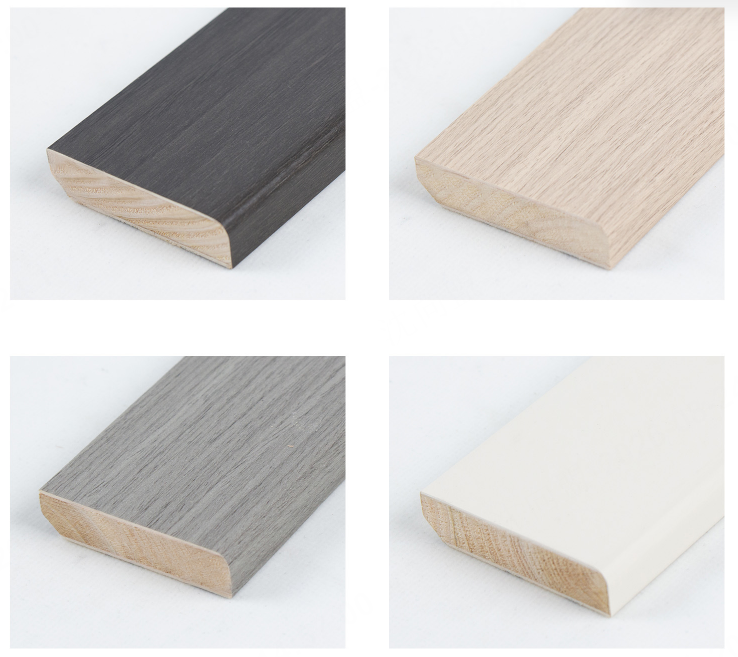
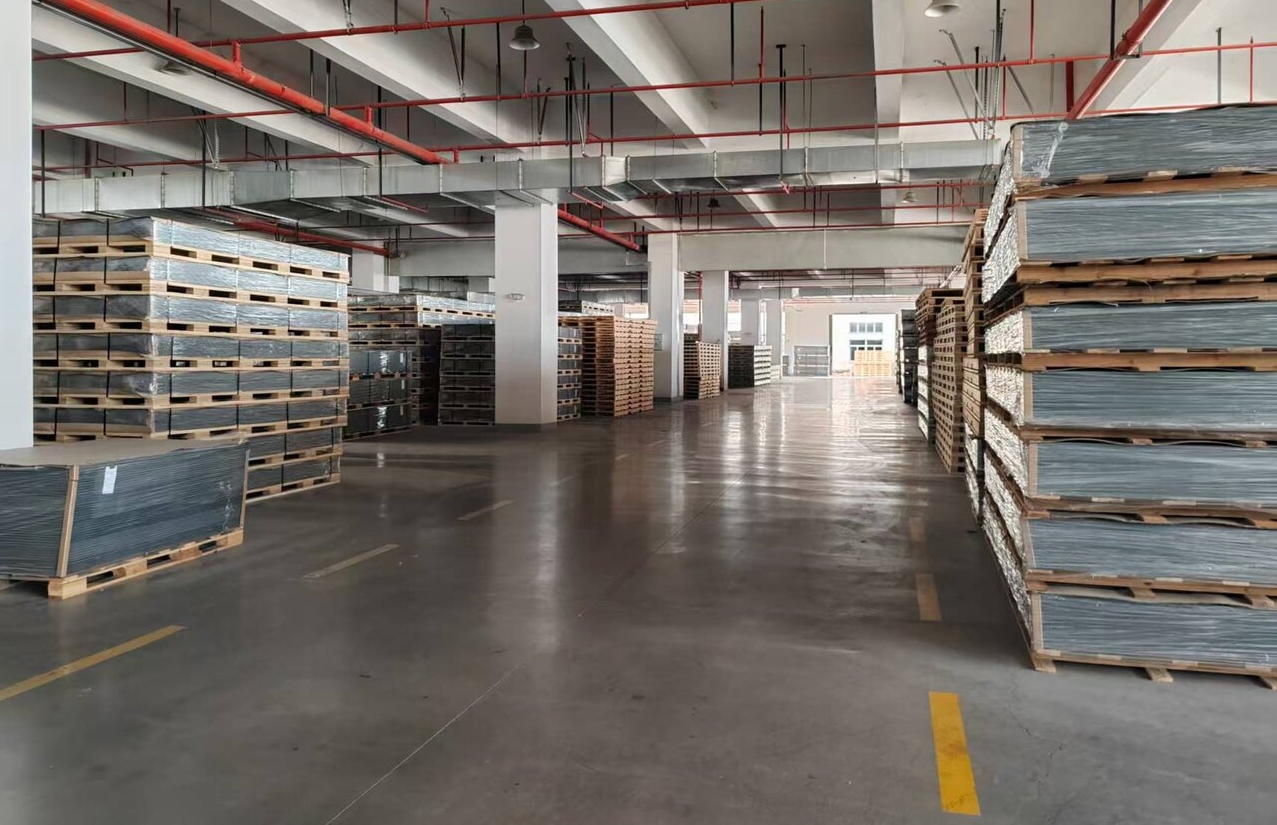
HPL compact laminate is a high pressure decorative laminate produced as a solid-core board rather than a thin bonded sheet. Multiple resin-impregnated layers are pressed under heat and pressure, so the core runs through the full thickness and cut edges can be routed and polished. Andiwilson reviews thickness, surface texture, core colour and sheet format before order. Illustrative uses include commercial kitchen worktops, laboratory bench tops and retail display counters. Panels are often 6–13 mm thick. Samples are checked under site lighting before approval, and current technical documents should be confirmed before specification.
Get A Quote

Case Study

Commercial Kitchen Worktop and Prep Counter

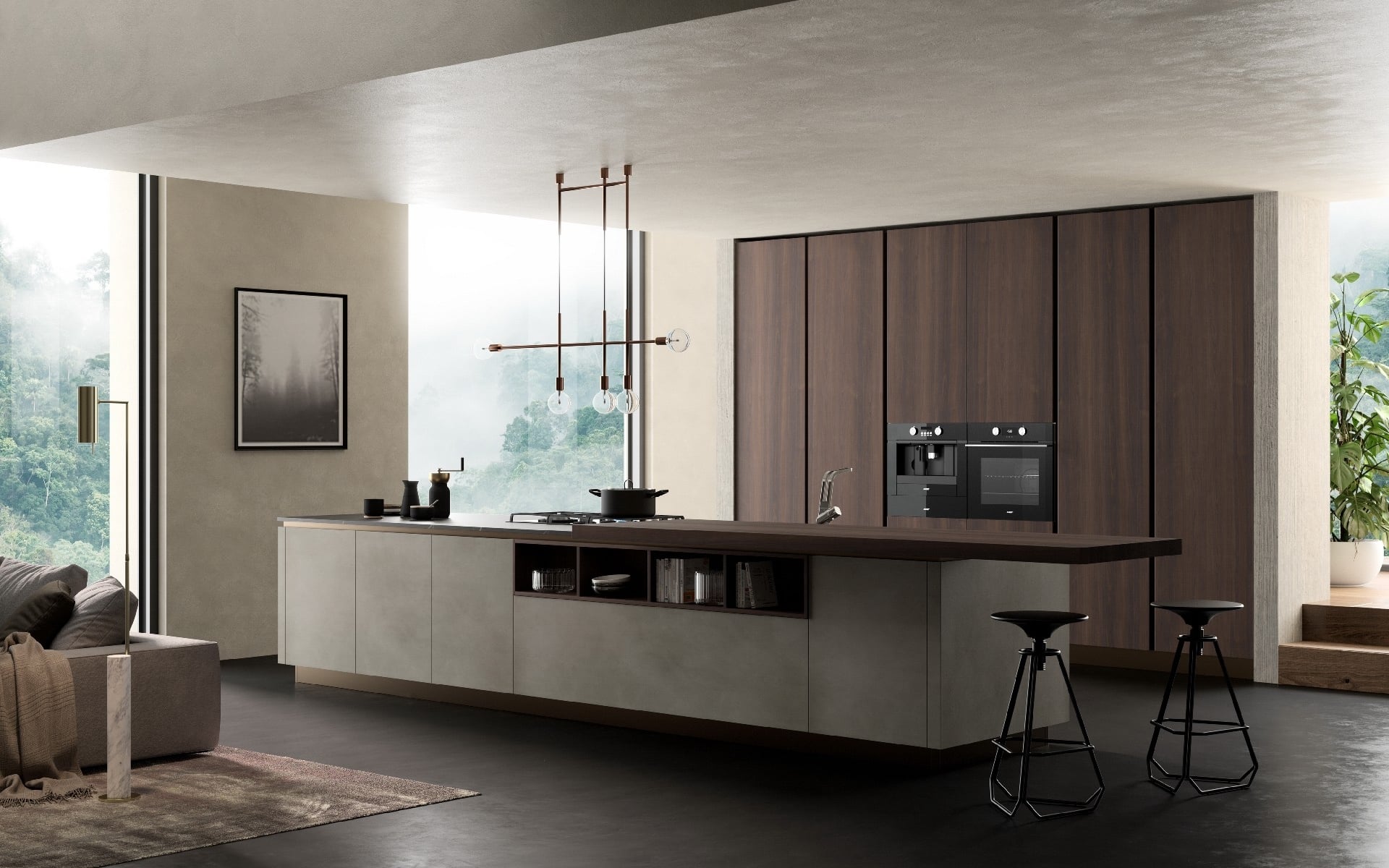
A planning scenario for a commercial kitchen used 12 mm HPL compact laminate for a worktop and prep counter across 14 m². Panels were cut with sink and appliance openings from approved drawings, then edges were chamfered and polished. A dry-fit checked cut-outs against tap and equipment positions before fixing to steel frames. Staff agreed neutral-detergent wiping and prompt spill removal. Two spare offcuts were stored. The scenario focused on cut-out accuracy, edge finish and daily cleanability, with suitability checked against current technical documents and the kitchen's cleaning routine.

Laboratory Bench Top with Service Cut-Outs

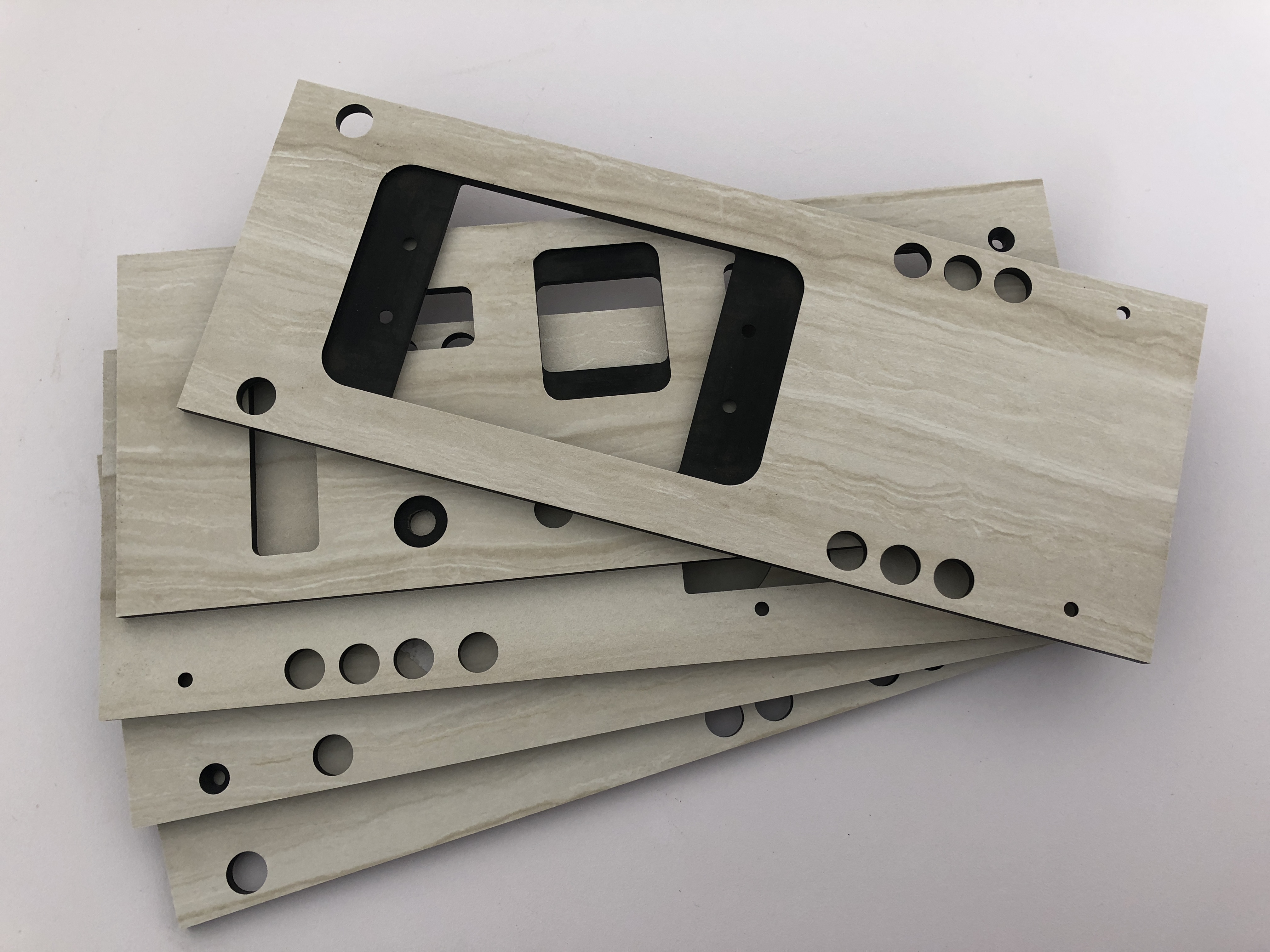
A planning scenario for a laboratory prep room used 13 mm HPL compact laminate for bench tops across 18 m². Panels were machined with service holes and rounded corners, then edges were polished. A dry-fit checked positions against gas taps and power outlets before fixing to adjustable legs. Technicians agreed neutral-detergent wiping and prompt chemical spill removal. Two spare panels were stored. The scenario focused on cut-out accuracy, edge finishing and maintenance planning, with suitability confirmed against current documents and the intended bench use rather than assumed for every laboratory.

Retail Display Counter with Exposed Edges

A planning scenario for a retail display counter used 10 mm HPL compact laminate in a light stone decor across 6 m². The solid core allowed exposed edges to be routed and polished without banding. Panels were cut with cable ports and a till recess, then dry-fitted against cabinet modules. Fixing used concealed brackets. Staff agreed damp wiping and prompt spill removal. One spare panel was stored. The scenario focused on edge appearance, joint alignment and cleanability, with suitability checked against current technical documents and the store's daily cleaning regime.

Related products

HPL compact laminate is a solid-core decorative panel made by pressing multiple layers of resin-impregnated paper under heat and pressure. Unlike thin high pressure laminate sheets bonded to MDF or particleboard, the compact core runs through the full thickness, so edges can be routed, chamfered and polished without separate edge banding. Andiwilson supports projects by reviewing panel thickness, surface texture, core colour, sheet format and fixing method before order. Illustrative applications include commercial kitchen worktops, laboratory bench tops and retail display counters. Panels are commonly 6–13 mm thick: thinner boards suit wall linings and fascias, while thicker boards suit worktops and heavy-use surfaces. Standard sheet formats include 2440 × 1220 mm and 3050 × 1300 mm. Cutting can be done on a panel saw or CNC router, followed by drilling and edge polishing. A trial cut helps check chip behaviour before full production. Cleaning usually involves damp wiping with a neutral detergent and prompt removal of spills. Project teams should confirm current technical documents, edge details and fixing guidance before ordering.
Frequently Asked Questions

How does HPL compact laminate differ from standard HPL?

Standard HPL is a thin decorative sheet bonded to a substrate, while HPL compact laminate is a solid-core board pressed as a single panel. The compact core allows exposed edges to be machined and polished. Andiwilson advises comparing thickness, core construction and fixing method before specification.
Thickness depends on the component. Use 6–8 mm for wall linings and fascias, 10–12 mm for vanity tops and display counters, and 13 mm for worktops and heavy-use benches. Andiwilson advises confirming span, support and current technical documents before ordering.
Edges can be routed, chamfered and polished because the core is solid. Separate edge banding is often unnecessary. Andiwilson advises agreeing edge profiles and current machining guidance before production, because cut-outs and corners may need specific finishing.
It can suit areas with occasional splashes when joints, edges and fixings are detailed appropriately. Continuously wet surfaces need separate assessment. Andiwilson advises checking current product data and sealing details before specification, rather than assuming universal moisture resistance.
Routine care usually involves damp wiping with a neutral detergent and prompt removal of spills. Avoid abrasive pads and strong solvents unless product guidance permits them. Andiwilson provides care notes, but cleaning products should be checked against the selected surface and current recommendations.

Related article

Quartz Fiber Board for Medical and Commercial Buildings: A New Generation of A-Class Fireproof Decorative Wall Panels

30

Jul

Quartz Fiber Board for Medical and Commercial Buildings: A New Generation of A-Class Fireproof Decorative Wall Panels

View More
What Makes Compact Laminate the Ultimate Choice for High-Moisture Environments?

29

Sep

What Makes Compact Laminate the Ultimate Choice for High-Moisture Environments?

The Failure Point Is Almost Never the Face Most moisture damage in built environments does not start on the visible surface. It starts at a cut edge, a drilled hole, a seam, or a junction where one material meets another. A laminate-faced MDF board...
View More
How Do Exterior Wall Laminated Panels Help Reduce Carbon Footprint in Construction?

12

Oct

How Do Exterior Wall Laminated Panels Help Reduce Carbon Footprint in Construction?

The Carbon Argument Starts With How Little Aluminium Goes Into the Panel A laminated exterior panel is not a thin coat of paint over a solid metal sheet. It is a sandwich. Two thin aluminium skins sit on either side of a core that does most of the di...
View More
A Complete Guide to Choosing the Right Exterior Wall Laminated Panels for Your Next Project.

23

Oct

A Complete Guide to Choosing the Right Exterior Wall Laminated Panels for Your Next Project.

Fire Classification Comes Before Aesthetics Specifying exterior wall laminated panels for a new project usually begins with a finish sample, a color, and a profile. That order is risky. A facade panel on a commercial building is part of a life safety...
View More

HPL Compact Laminate Planning Notes

Laura Chen

A planning note for a commercial kitchen described 12 mm HPL compact laminate for a worktop and prep counter across 14 m². Panels were cut with sink and appliance openings, then edges chamfered and polished. A dry-fit checked cut-outs against tap and equipment positions. Staff agreed neutral-detergent wiping and prompt spill removal. Two spare offcuts were stored. The note focused on cut-out accuracy, edge finish and daily cleanability, with suitability checked against current technical documents and the kitchen's cleaning routine.

James Patel

A planning note for a retail display counter described 10 mm HPL compact laminate in a light stone decor across 6 m². The solid core allowed exposed edges to be routed and polished without banding. Panels were cut with cable ports and a till recess, then dry-fitted against cabinet modules. Staff agreed damp wiping and prompt spill removal. One spare panel was stored. The note focused on edge appearance, joint alignment and cleanability, with suitability checked against current technical documents and the store's daily cleaning regime.

Get a Free Quote

Our representative will contact you soon.
Email
Mobile/WhatsApp
Name
Company Name
Message
0/1000
Solid Core and Exposed Edge Machining

Solid Core and Exposed Edge Machining

HPL compact laminate has a solid core, so cut edges can be routed and polished without separate banding. Andiwilson discusses core colour, edge profile and polishing sequence before order. In a retail display counter planning scenario, 10 mm panels were machined with exposed edges and dry-fitted against cabinet modules. The aim is a clean edge line, not a universal profile. Machining marks are more visible on dark cores. Current technical documents and trial cuts should be confirmed before production.
Thickness Selection for Worktops and Benches

Thickness Selection for Worktops and Benches

Thickness affects rigidity, edge appearance and fixing requirements in HPL compact laminate. Andiwilson discusses 10–13 mm panels against span and support conditions. In a commercial kitchen planning scenario, 12 mm panels were cut with sink openings and fixed to steel frames. The aim is a build-up matched to the component, not a universal thickness. Support and joint details also matter. Current technical documents and fixing guidance should be confirmed before ordering.
Cut-Out Accuracy and Service Openings

Cut-Out Accuracy and Service Openings

Service openings affect appearance and function in HPL compact laminate. Andiwilson discusses cut-out positions, radii and edge finishing before fabrication. In a laboratory bench planning scenario, 13 mm panels were machined with service holes and rounded corners, then dry-fitted against gas taps and power outlets. The aim is accurate openings, not a universal layout. Current drawings and installation guidance should be confirmed before work begins.
onlineONLINE