High Pressure Laminate Panels: 3 Real-World B2B Use Cases

Get a Free Quote

Our representative will contact you soon.
Email
Mobile/WhatsApp
Name
Company Name
Message
0/1000

Andiwilson High Pressure Laminate Panels for Demanding Interiors

High pressure laminate panels are chosen when a project needs a rigid, cleanable surface rather than a thin decorative skin. Andiwilson reviews panel thickness, core type, edge profile and fixing plan before production. In an illustrative school laboratory, 12 mm compact panels with rounded corners and service penetrations replaced damaged benching during a holiday window. In a healthcare utility room, 13 mm panels helped staff wipe surfaces between tasks. Panel schedules and batch labels supported delivery by room. Suitability depends on the selected grade and documented care, not on blanket claims.
Get A Quote

Case Study

School Laboratory Benching Replacement

A school science block needed replacement benching without closing laboratories for long. The plan used 12 mm compact high pressure laminate panels in light grey, with rounded edges, sink cut-outs and gas tap penetrations set out from survey drawings. Panels arrived labelled by room and were fitted during a two-week holiday window. Technicians agreed a mild-detergent wiping regime and asked for two matching panels as maintenance stock. The brief focused on cleanability, edge condition and service access. Performance was assessed against the chosen grade and care instructions.

Healthcare Utility Room Wall and Cabinet Panels

A clinic utility room required wall protection and cabinet fronts that could be wiped between tasks. The specification used 13 mm compact panels in pale blue, with sealed joints and aluminium corner trims at trolley height. Fixings were set out to avoid pipework, and panels were delivered in two batches to match the room closures. Cleaning staff received written guidance on neutral detergent and edge inspection. One spare panel was kept for future damage. The design addressed joint alignment, moisture exposure and maintenance access, with performance confirmed against the selected grade.

Retail Fixture Fascias and Display Panels

A fashion retailer refreshed fixture fascias and display panels while the store traded. The plan used 18 mm faced high pressure laminate panels in a soft linen decor, with matching ABS edges and concealed brackets. Aisle-based labels and two production batches helped the contractor install after closing hours. The visual team checked panels under track lighting and agreed a fingerprint-wiping routine. Two fascias were retained for merchandising changes. The brief prioritised appearance, cleanability and manageable replacement, with durability expectations limited to the agreed grade and installation detail.

Related products

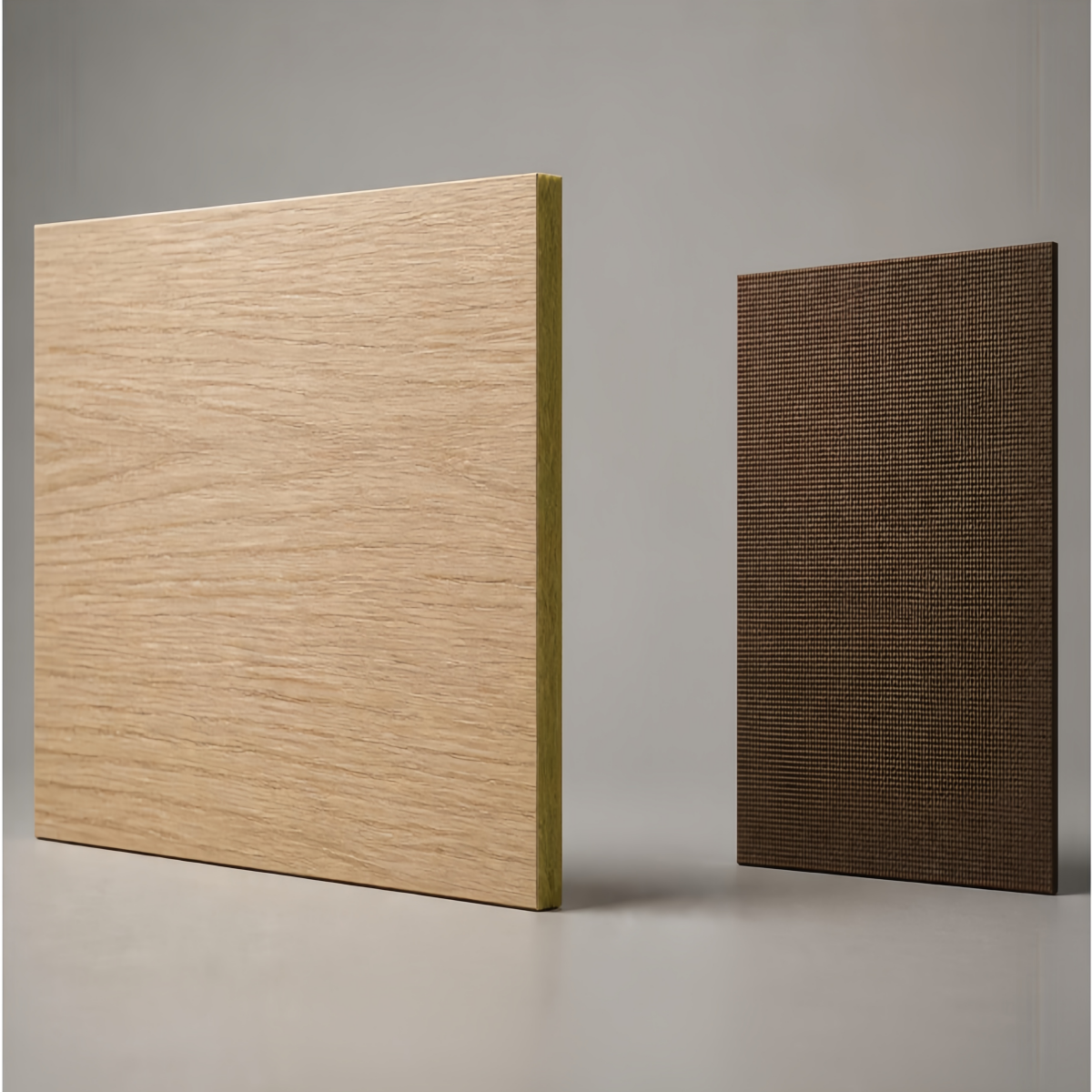
High pressure laminate panels are built for interiors that need a rigid surface with a cleanable face. The panel is formed by pressing resin-rich decorative layers and a core under heat and pressure, producing a dense sheet that can be cut, edged and fixed as a finished component. Andiwilson supports projects from panel build-up review through fabrication drawings and packing. A typical school laboratory might use 12 mm compact panels with rounded corners and service holes; a clinic utility room may need 13 mm panels with sealed joints and corner trims; a retail fixture could use 18 mm faced panels with ABS edging. In each case, the fixing method, edge profile and cleaning routine are agreed before production. Panels can be labelled by room or aisle to help installation teams work in occupied buildings. Andiwilson keeps performance language tied to the specified grade and available test information, and provides care notes for daily wiping and edge checks. This practical approach helps designers and contractors coordinate panels without overstating what the material can do.
Frequently Asked Questions

How do HPL panels differ from decorative laminate sheets?

Panels are rigid boards with a core, while decorative laminate sheets are thin surfaces bonded to a separate substrate. Panels can be fixed as finished components with exposed edges; sheets rely on the board beneath. Andiwilson advises confirming thickness, edge detail and fixing method before choosing between them.
Laboratory benching often uses 12–13 mm compact panels, but the choice depends on span, support, service cut-outs and chemical exposure. Thicker panels may suit longer spans or heavier use. Andiwilson recommends reviewing survey drawings and current technical data before confirming the build-up.
Some utility areas can use compact panels when joints, edges and fixings are sealed and the grade suits moisture exposure. Continuously wet rooms need separate assessment. Andiwilson advises checking the cleaning chemicals, substrate and edge protection, and confirming suitability against current product data before specification.
Panels are usually cut and edged in a workshop from approved drawings, not on site. Service holes, radii and joint positions should be agreed before fabrication. Edges may use matching laminate, ABS or aluminium trims. Andiwilson recommends agreeing edge profiles and fixing details early to avoid late adjustments.
Yes. Project teams can request panel samples, available thickness options and fabrication guidance before ordering. Andiwilson encourages checking fixing methods, edge profiles and cleaning routines against the application. This helps contractors plan installation and avoid relying on general marketing claims during tender or handover.

Related article

Prefabricated Modular Walls Take Another Leap Forward! Integrated Invisible Door Solutions Redefine the Boundaries of Spatial Aesthetics and Practicality

26

Jul

Prefabricated Modular Walls Take Another Leap Forward! Integrated Invisible Door Solutions Redefine the Boundaries of Spatial Aesthetics and Practicality

View More
How Do Exterior Wall Laminated Panels Help Reduce Carbon Footprint in Construction?

12

Oct

How Do Exterior Wall Laminated Panels Help Reduce Carbon Footprint in Construction?

The Carbon Argument Starts With How Little Aluminium Goes Into the Panel A laminated exterior panel is not a thin coat of paint over a solid metal sheet. It is a sandwich. Two thin aluminium skins sit on either side of a core that does most of the di...
View More
How to Choose the Right High Pressure Laminate Finish for Your Interior Surfaces?

19

Oct

How to Choose the Right High Pressure Laminate Finish for Your Interior Surfaces?

Start With the Wear Layer, Not the Color Card High pressure laminate finish selection often begins with a color card and a visual preference. That sequence is backward. The finish on an HPL surface is a performance layer before it is a decorative lay...
View More
A Complete Guide to Choosing the Right Exterior Wall Laminated Panels for Your Next Project.

23

Oct

A Complete Guide to Choosing the Right Exterior Wall Laminated Panels for Your Next Project.

Fire Classification Comes Before Aesthetics Specifying exterior wall laminated panels for a new project usually begins with a finish sample, a color, and a profile. That order is risky. A facade panel on a commercial building is part of a life safety...
View More

Panel Planning Review Notes

Sarah Lin

An illustrative planning note from a school refurbishment described 12 mm compact panels labelled by room and fitted during a holiday window. The technicians valued the rounded edges and service holes, and asked for two matching panels as maintenance stock. Cleaning guidance covered neutral detergent and edge checks. The note focused on cleanability, service access and replacement planning, with performance assessed against the selected grade and care instructions rather than blanket claims.

Daniel Park

An illustrative planning note from a retail fixture refresh described 18 mm faced panels with ABS edges and concealed brackets. Aisle-based labels and two production batches supported after-hours installation. The visual team checked panels under track lighting and agreed a fingerprint-wiping routine. Two fascias were retained for merchandising changes. The note addressed appearance, cleanability and manageable replacement, with durability expectations limited to the agreed grade and installation detail.

Get a Free Quote

Our representative will contact you soon.
Email
Mobile/WhatsApp
Name
Company Name
Message
0/1000
Panel Build-Up Selection by Application

Panel Build-Up Selection by Application

Choosing between compact and faced panels starts with the application. Laboratory benching may need a dense 12–13 mm compact panel for cut-outs and exposed edges; storage fronts often use 18 mm faced panels with ABS edging. Andiwilson reviews span, support, service penetrations and cleaning routine before recommending a build-up. In an illustrative clinic utility room, sealed joints and corner trims were agreed alongside the panel thickness. The aim is a build-up that suits the fixing method and maintenance plan, not a universal specification for every interior.
Installation Sequencing in Occupied Buildings

Installation Sequencing in Occupied Buildings

Education, healthcare and retail projects often continue while panels are installed. Clear panel schedules, room or aisle labels and batch packing help contractors match components to drawings and reduce sorting. In an illustrative school project, panels arrived by room and were fitted during a two-week holiday window. In a trading store, after-hours installation followed aisle labels. Andiwilson discusses delivery sequence and fixing plan before production so site teams can work around occupants. The approach supports smoother handover and fewer late adjustments, with performance confirmed against the specified grade.
Cleaning Routines and Edge Inspection

Cleaning Routines and Edge Inspection

Panels keep their appearance when cleaning and edge checks are planned. Neutral detergent and a soft cloth suit routine wiping; abrasive pads and strong solvents should be avoided unless product guidance permits them. In an illustrative healthcare utility room, staff received written instructions and were asked to report damaged corners. Aluminium trims protected trolley-height edges, and one spare panel was kept for repairs. Andiwilson provides care notes so facilities teams can set a practical regime. Cleaning chemicals and frequency should be checked against the selected panel grade and current guidance.
onlineONLINE