High Pressure Laminate Specification Guide | Andiwilson

Get a Free Quote

Our representative will contact you soon.
Email
Mobile/WhatsApp
Name
Company Name
Message
0/1000

Andiwilson High Pressure Laminate for Interior Surface Specification

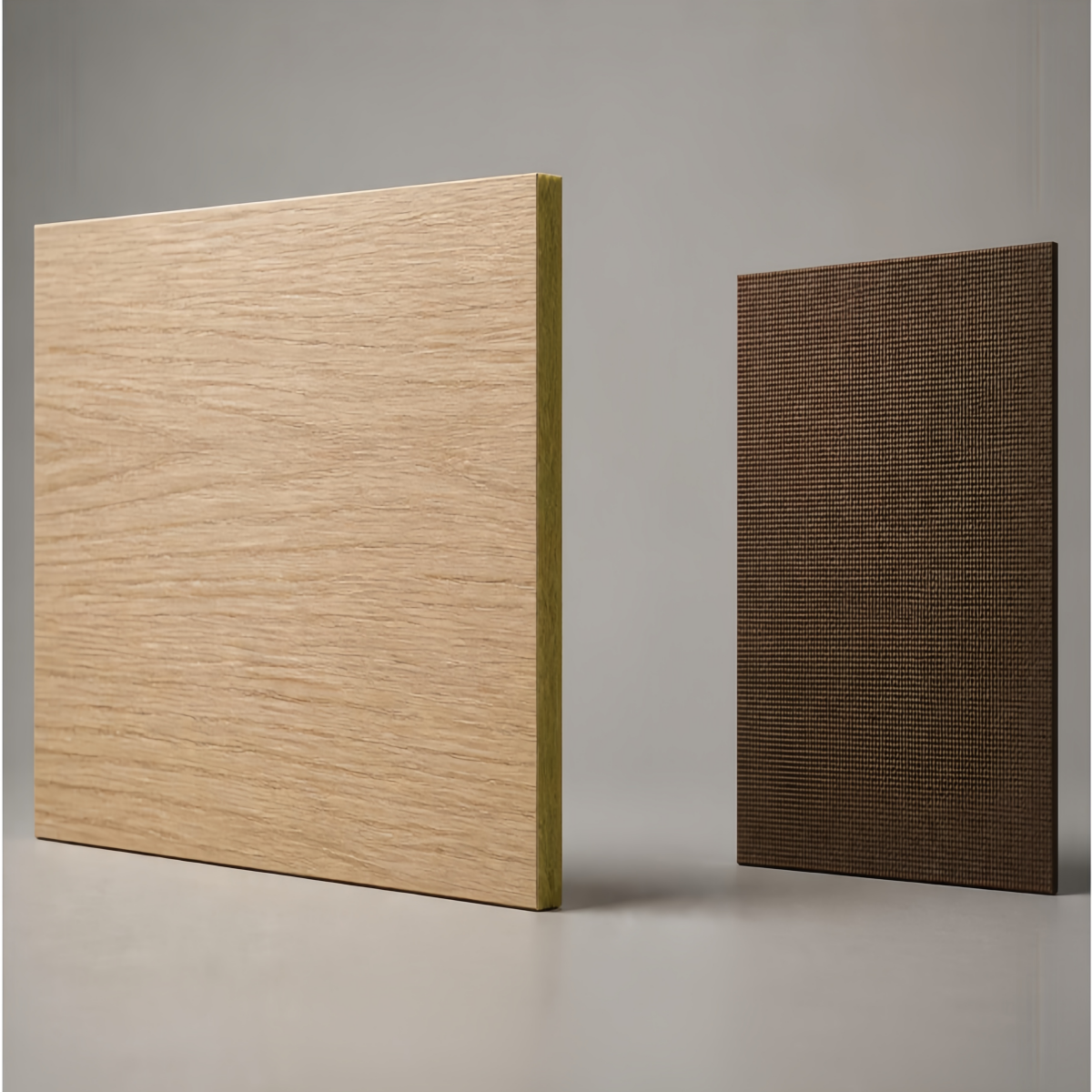
High pressure laminate is a decorative surface made by pressing resin-impregnated layers under heat and pressure. Andiwilson supplies it as thin sheets for bonding and as rigid compact or faced panels for direct fixing. Projects begin with a review of application, substrate, edge detail and cleaning routine. Illustrative specifications may use 0.7–0.9 mm sheets on MDF for doors, or 10–13 mm compact panels for partitions. Approval samples and current technical data are confirmed before production. This approach supports informed specification without overstating performance.
Get A Quote

Case Study

Hospital Nurses' Station Worktop and Cabinet Doors

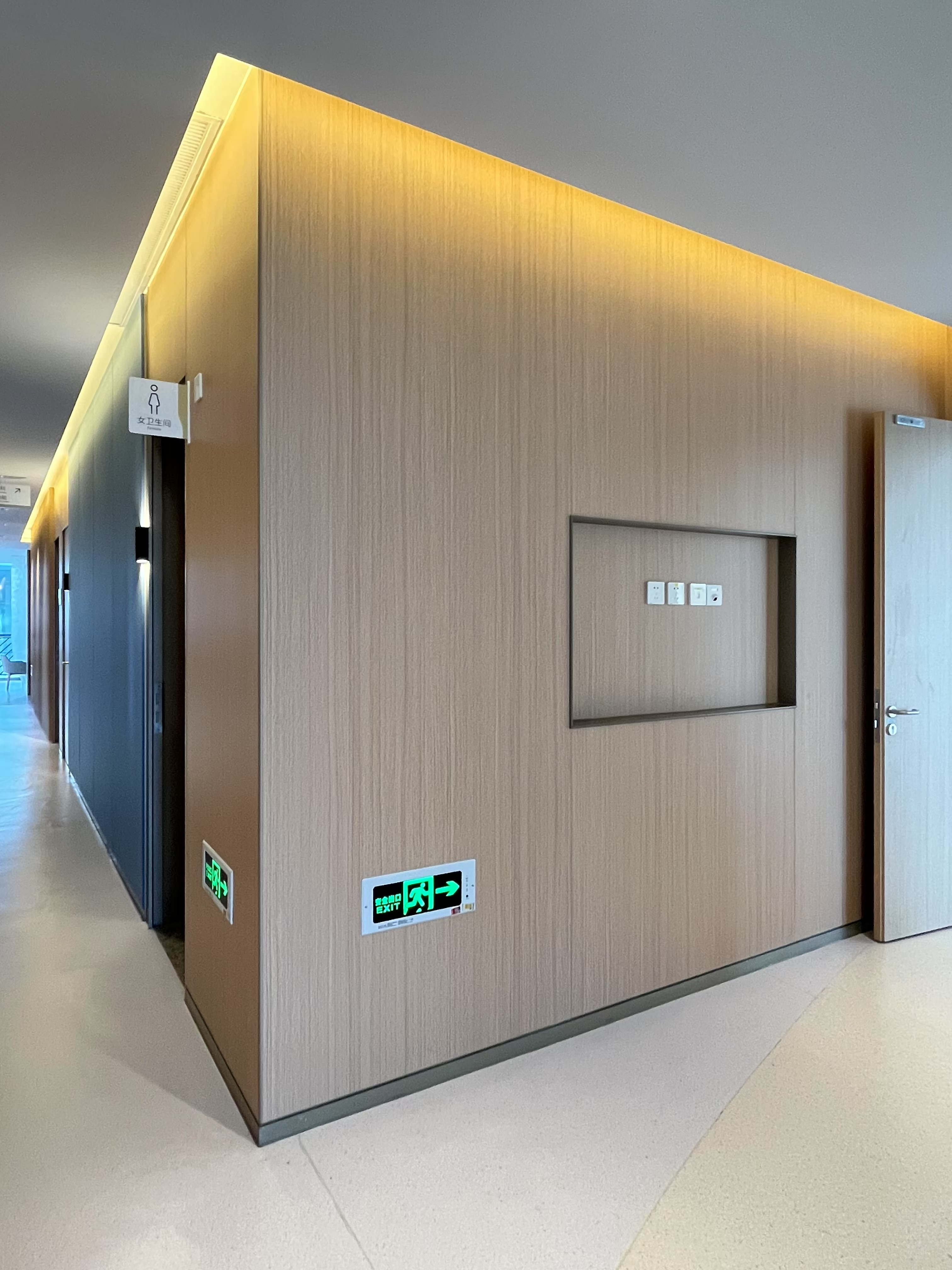
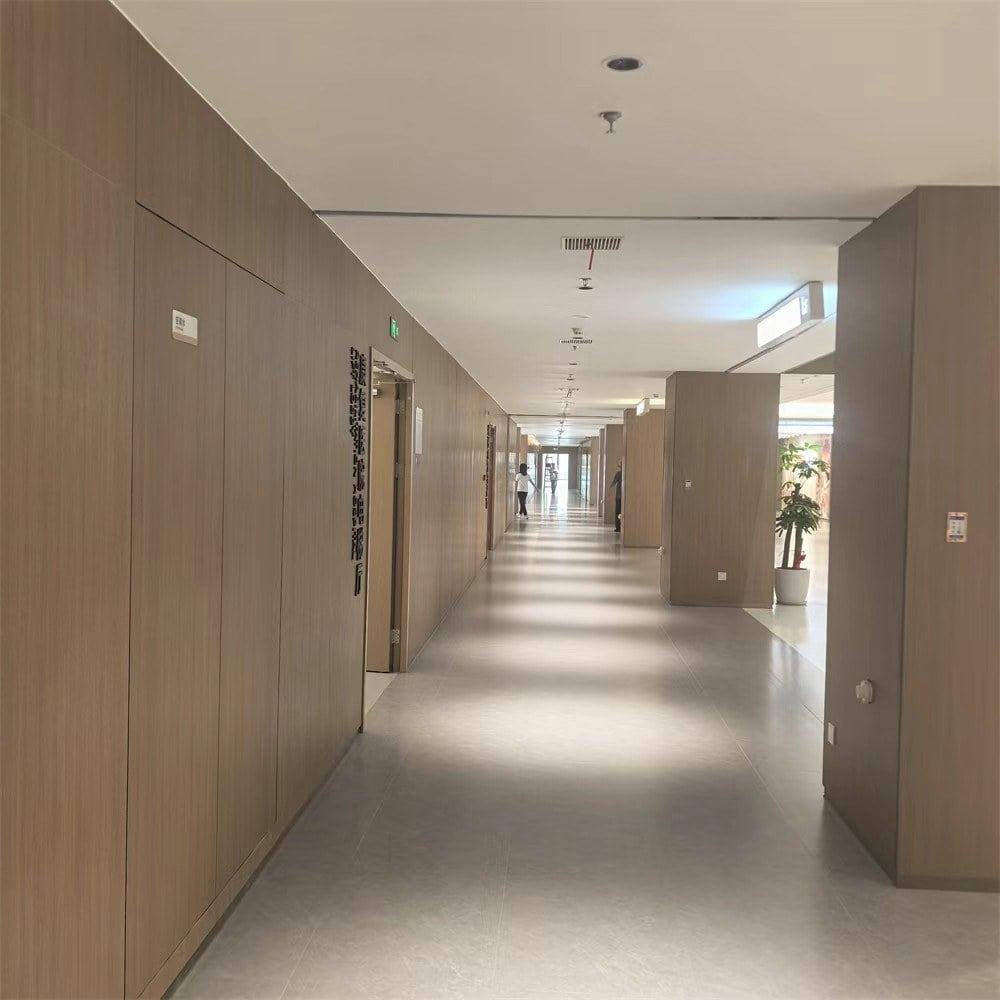
An illustrative hospital project considered high pressure laminate for a nurses' station worktop and storage cabinet doors. The worktop used a 13 mm compact panel with rounded edges and sealed cable ports; cabinet doors used 0.8 mm laminate bonded to 18 mm MDF. Samples were reviewed under ward lighting before approval. Panels were labelled by room and fitted during a planned closure. Staff agreed neutral-detergent wiping and a method for reporting chipped edges. Two spare doors were retained. The brief focused on cleanability, joint detail and replacement planning, with performance checked against current data.

Railway Station Ticket Counter and Waiting Area Desk

An illustrative railway station project examined high pressure laminate for a ticket counter fascia and waiting-area information desk. The counter used 10 mm compact panels with impact-resistant edge trims at passenger height; the desk used 0.7 mm laminate on 18 mm MDF with matching edge band. Drawings set out ticket machine openings and cable routes. Panels were packed by bay and installed over two night shifts. Staff agreed dry wiping and prompt spill removal. One spare panel was stored. The brief addressed appearance, cleanability and service access, with suitability confirmed against the selected grades.

Hotel Guest Room Luggage Racks and Wardrobe Shelves

An illustrative hotel refurbishment used high pressure laminate for guest room luggage racks and wardrobe shelves. The racks used 12 mm compact panels with rounded edges; shelves used 0.7 mm laminate on 15 mm MDF with matching edge band. A warm oak decor was approved under room lighting. Components were labelled by room number and delivered in floor batches to support phased handover. Housekeeping agreed a dry-wipe routine and a reporting method for edge damage. Two spare shelf panels were retained. The brief prioritised appearance consistency, cleanability and replacement planning, with performance confirmed against the chosen build-up.

Related products

High pressure laminate is a family of decorative surfaces rather than a single format. Thin sheets, often 0.6–1.0 mm, are bonded to MDF or particleboard for doors, cabinet faces and wall panels. Compact or faced panels, often 10–18 mm, are fixed as rigid components for worktops, partitions, lockers and shelving. Andiwilson supports projects by reviewing application, substrate, edge detail, fixing method and cleaning routine before order. Illustrative specifications may combine 0.8 mm sheets on 18 mm MDF for cabinet doors with 13 mm compact panels for worktops in the same building. Approval samples help compare decor under site lighting, while fabrication drawings set out cut-outs, radii and joint positions. Components can be labelled by room or bay and packed in installation sequence. Andiwilson provides care notes for neutral-detergent wiping and edge inspection. Performance depends on the selected grade and build-up, so project teams should confirm current technical data and installation guidance before ordering. This practical process helps designers and contractors specify HPL without overstating moisture or impact resistance.

Frequently Asked Questions

What indoor surfaces commonly use high pressure laminate?

It is used for worktops, cabinet faces, doors, wall linings, lockers, partitions and shelving. Thin sheets suit bonded panels, while compact or faced boards suit rigid components. Andiwilson advises matching format, substrate and edge detail to the application and confirming current technical data before specification.
Sheets are thin decorative surfaces bonded to a substrate; panels are rigid boards with a core and exposed edges. Worktops and partitions often use panels, while cabinet doors and wall faces may use sheets. Andiwilson advises reviewing span, fixing method and edge treatment before choosing.
Some HPL formats suit bathroom dry zones or utility areas when joints, edges and fixings are detailed for moisture exposure. Continuously wet spaces need separate flooring or wall systems. Andiwilson advises checking the selected grade, sealing method and current technical data before specifying.
Sheets are usually bonded in a workshop and trimmed; panels are cut and edged with suitable tooling. Edges may use matching laminate, ABS or aluminium trims. Andiwilson recommends agreeing cut lists, radii and edge samples before production to reduce late adjustments and support clean joints.
Confirm the format, thickness, substrate, edge detail, fixing method and cleaning routine against current technical data. Request samples and check availability. Andiwilson advises reviewing installation guidance and retaining approved references for future maintenance planning. This helps avoid late changes during fabrication and handover.

Related article

Why Do Architects Prefer Custom Textured Wall Panels for Museum and Gallery Spaces?

23

Sep

Why Do Architects Prefer Custom Textured Wall Panels for Museum and Gallery Spaces?

The Acoustic Problem That Decorative Finishes Alone Cannot Solve Walk into a gallery with hard floors, high ceilings, and bare drywall, and the space tells you something immediately. Footsteps carry. Conversations from three rooms away bleed throug...
View More
Why Should Designers Use Custom Textured Wall Panels for Feature Walls?

07

Oct

Why Should Designers Use Custom Textured Wall Panels for Feature Walls?

A Feature Wall Is a Working Surface, Not a Backdrop Designers often choose a feature wall from a rendering first. A bold texture or metallic finish looks convincing in perspective, then the built wall reveals problems the image never showed: glare fr...
View More
How Do Exterior Wall Laminated Panels Help Reduce Carbon Footprint in Construction?

12

Oct

How Do Exterior Wall Laminated Panels Help Reduce Carbon Footprint in Construction?

The Carbon Argument Starts With How Little Aluminium Goes Into the Panel A laminated exterior panel is not a thin coat of paint over a solid metal sheet. It is a sandwich. Two thin aluminium skins sit on either side of a core that does most of the di...
View More
How to Choose the Right High Pressure Laminate Finish for Your Interior Surfaces?

19

Oct

How to Choose the Right High Pressure Laminate Finish for Your Interior Surfaces?

Start With the Wear Layer, Not the Color Card High pressure laminate finish selection often begins with a color card and a visual preference. That sequence is backward. The finish on an HPL surface is a performance layer before it is a decorative lay...
View More

Illustrative HPL Planning Notes

Priya Shah

An illustrative hospital project note described a nurses' station worktop in 13 mm compact HPL with sealed cable ports, and cabinet doors in 0.8 mm laminate on 18 mm MDF. Samples were reviewed under ward lighting, and panels were labelled by room for a planned closure. Staff agreed neutral-detergent wiping and an edge-reporting method. Two spare doors were retained. The note focused on cleanability, joint detail and replacement planning, with performance checked against current data.

Marcus Hill

An illustrative railway station note described a ticket counter fascia in 10 mm compact HPL with impact trims, and an information desk in 0.7 mm laminate on 18 mm MDF. Drawings set out machine openings and cable routes, and panels were packed by bay for night installation. Staff agreed dry wiping and prompt spill removal, and one spare panel was stored. The note addressed appearance, cleanability and service access, with suitability confirmed against selected grades.

Get a Free Quote

Our representative will contact you soon.
Email
Mobile/WhatsApp
Name
Company Name
Message
0/1000
Choosing Sheet, Compact or Faced Formats

Choosing Sheet, Compact or Faced Formats

High pressure laminate is supplied in several formats, and the right choice depends on the application. Thin sheets suit bonded doors and wall faces; compact panels suit worktops and partitions with exposed edges; faced panels offer a middle route. Andiwilson discusses span, fixing method and edge treatment before production. In an illustrative hospital project, sheet and compact formats were used in the same building. The aim is a format matched to handling and maintenance, not a universal recommendation. Current technical data should be confirmed.
Coordinating Cut-Outs and Joint Layouts

Coordinating Cut-Outs and Joint Layouts

Service openings and joint positions affect appearance and cleanability. Andiwilson encourages agreeing drawings for cable ports, machine openings, radii and trims before fabrication. In an illustrative railway station project, ticket machine openings and cable routes were set out early, and panels were packed by bay. Clean cutting and suitable edge trims help components keep their appearance. Fabricators should follow current tooling and adhesive guidance for the selected format. Late changes can affect lead times and joint alignment, so details should be confirmed before production.
Planning Maintenance and Spare Components

Planning Maintenance and Spare Components

HPL surfaces are usually cleaned with a soft cloth and neutral detergent, but edges need inspection. Andiwilson provides care notes and discusses spare components for future repairs. In an illustrative hotel project, two spare shelf panels were retained and housekeeping agreed an edge-reporting method. Clear labels and batch references support replacement planning. The approach is practical maintenance, not a promise of indefinite availability or identical future batches. Cleaning products and frequency should be checked against the selected grade and current recommendations.
onlineONLINE