Compressed Laminate Worktops: 12–13mm Solid Core Solutions

Get a Free Quote

Our representative will contact you soon.
Email
Mobile/WhatsApp
Name
Company Name
Message
0/1000

Andiwilson Compressed Laminate Worktops for Heavy-Use Prep Areas

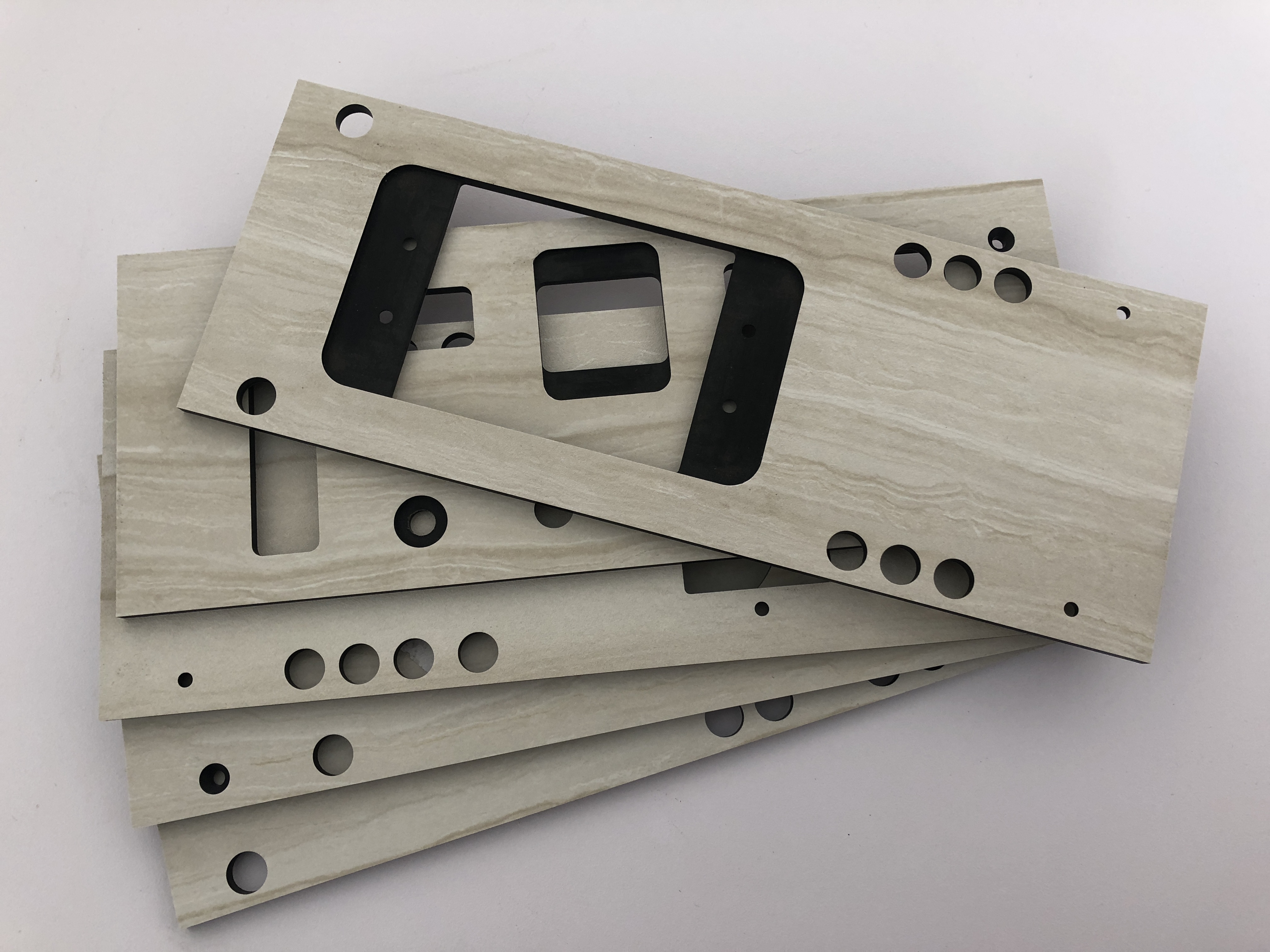
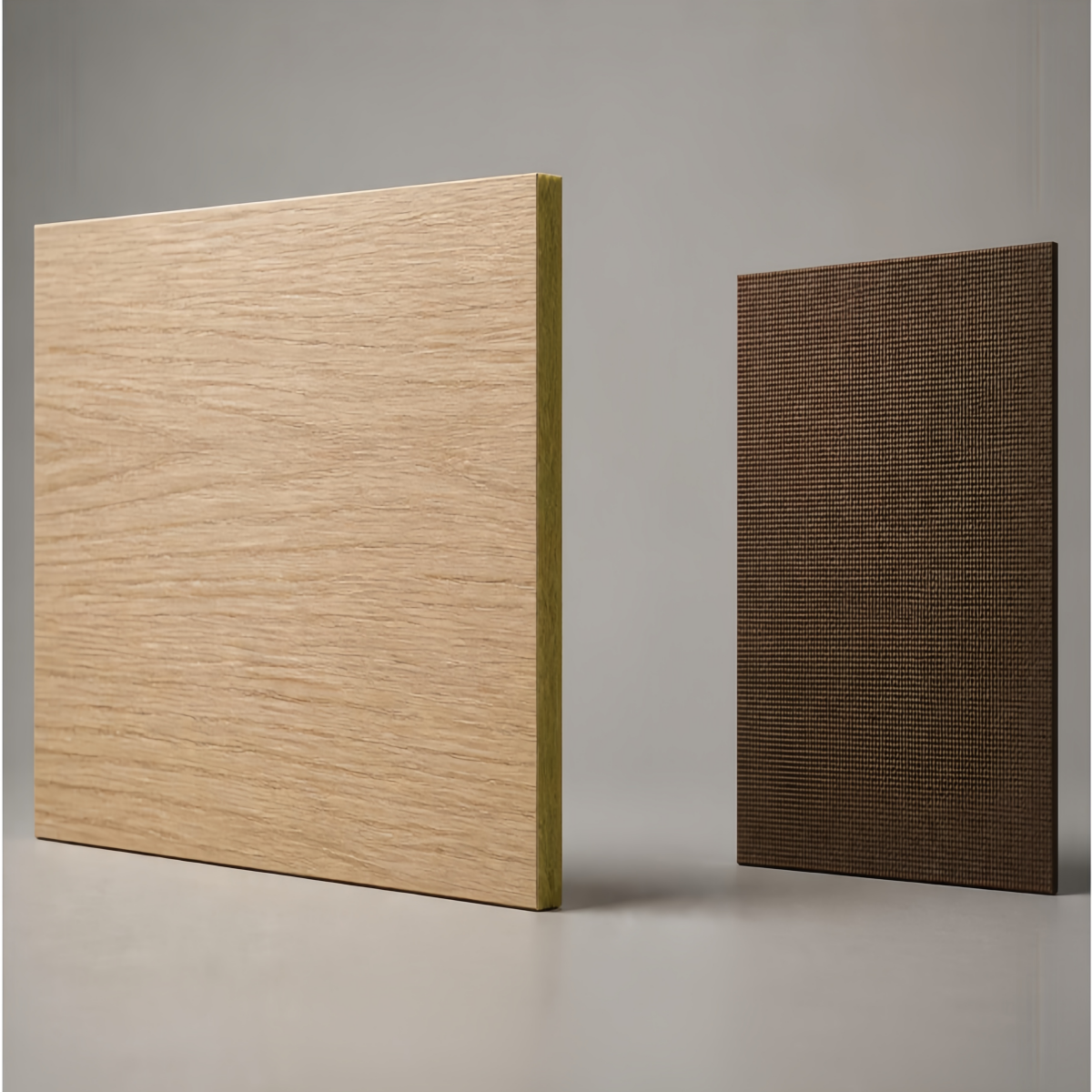
Compressed laminate worktops, often called compact laminate, are pressed from resin-rich layers into a dense solid sheet. The 12–13 mm build allows sink and appliance cut-outs with polished exposed edges, so separate edge trim is usually unnecessary. Andiwilson reviews decor, thickness, edge profile and fixing plan before production. In an illustrative staff canteen pass, a 3050 × 1300 mm sheet yielded two counter runs with one spare offcut. Cut-outs were CNC-routed and dry-fitted before brackets were fixed. Cleaning was limited to neutral-detergent wiping. Suitability depends on the chosen grade and site conditions.
Get A Quote

Case Study

Staff Canteen Pass Counter with Two Runs

An illustrative staff canteen used 13 mm compressed laminate worktops for a pass counter and a drinks station. A 3050 × 1300 mm sheet was nested for two runs, with sink and cable openings routed on a CNC. Edges were chamfered and hand-polished. A dry-fit checked joints against serving hatches before concealed brackets were fixed. Kitchen staff agreed neutral-detergent wiping and prompt spill removal. One spare offcut was kept for repairs. The case focused on nesting efficiency, cut-out accuracy and a realistic cleaning routine, with suitability reviewed against product data and the kitchen's daily use.

Veterinary Clinic Prep Bench

An illustrative veterinary clinic used 12 mm compressed laminate for a prep bench and low splashback. The brief required sealed joints around a sink and a microscope cable port. Panels were routed from approved drawings and dry-fitted against steel frames. Edges were polished, and wall junctions were sealed with flexible sealant. Nurses agreed neutral-detergent wiping and prompt drying after cleaning. Two spare offcuts were stored. The case addressed cut-out sealing, edge finish and daily maintenance, with suitability checked against product data and the clinic's cleaning protocol rather than assumed for every treatment room.

Coffee Roastery Packing Bench

An illustrative coffee roastery used 12 mm compressed laminate for a packing bench and scale platform. The dense sheet allowed a clean edge around bagging cut-outs and a label printer recess. Sheets were cut in two batches to match fit-out stages, with batch labels kept for traceability. A dry-fit checked recess depth before fixing. Staff agreed dry wiping and prompt removal of oil marks. One spare sheet was stored. The case focused on cut-out depth, batch control and simple upkeep, with suitability confirmed against product data and the roastery's packing routine.

Related products

Compressed laminate worktops are made by pressing resin-impregnated layers into a dense solid sheet, usually 12–13 mm thick. Unlike a thin laminate bonded to chipboard, the solid core allows sink openings, cable ports and appliance recesses to be routed with edges polished in place. Andiwilson reviews decor, sheet format, edge detail and fixing method before production. Illustrative projects include staff canteens, veterinary prep rooms and coffee packing benches. Sheets are commonly supplied at 3050 × 1300 mm or 2440 × 1220 mm, with protective film and batch labels. Fabricators can nest multiple components per sheet to control waste. A dry-fit checks cut-outs against taps, equipment and hatches before concealed brackets are fixed. Cleaning usually involves neutral-detergent wiping and prompt spill removal, while joints and edges should be inspected periodically. Project teams should confirm product data, sealing details and machining guidance before ordering, because cut-out depth and support conditions affect finished worktop performance.
Frequently Asked Questions

How do compressed laminate worktops differ from standard laminate worktops?

Standard laminate worktops usually bond a thin decorative sheet to chipboard or MDF, while compressed laminate worktops are solid core sheets, often 12–13 mm thick. The solid core allows exposed edges to be routed and polished. Andiwilson advises comparing thickness, edge detail and product data before choosing.
Illustrative specifications often use 12–13 mm sheets for worktops, with thinner boards suited to wall panels and fascias. Thickness affects rigidity, edge appearance and fixing requirements. Andiwilson advises confirming span, support and available product data before ordering, because heavy-use counters may need a thicker build-up.
They can suit sink areas when cut-outs, edges and wall junctions are sealed and the fixing method suits moisture exposure. Standing water should be avoided. Andiwilson advises checking sealing details and product data before installation, because poor cut-out sealing can allow water behind the worktop.
Cut-outs are usually routed on a CNC or template, then edges are chamfered and hand-polished. A dry-fit checks openings against taps and equipment before fixing. Andiwilson advises agreeing radii and edge profiles before production, because sharp internal corners can concentrate stress.
Routine care usually involves neutral-detergent wiping and prompt removal of spills. Avoid abrasive pads and strong solvents unless product guidance permits them. Andiwilson provides care notes, but cleaning products should be checked against the selected surface and current recommendations. Periodic inspection of joints and edges is also sensible.

Related article

Prefabricated Modular Walls Take Another Leap Forward! Integrated Invisible Door Solutions Redefine the Boundaries of Spatial Aesthetics and Practicality

26

Jul

Prefabricated Modular Walls Take Another Leap Forward! Integrated Invisible Door Solutions Redefine the Boundaries of Spatial Aesthetics and Practicality

View More
Why Do Architects Prefer Custom Textured Wall Panels for Museum and Gallery Spaces?

23

Sep

Why Do Architects Prefer Custom Textured Wall Panels for Museum and Gallery Spaces?

The Acoustic Problem That Decorative Finishes Alone Cannot Solve Walk into a gallery with hard floors, high ceilings, and bare drywall, and the space tells you something immediately. Footsteps carry. Conversations from three rooms away bleed throug...
View More
What Makes Compact Laminate the Ultimate Choice for High-Moisture Environments?

29

Sep

What Makes Compact Laminate the Ultimate Choice for High-Moisture Environments?

The Failure Point Is Almost Never the Face Most moisture damage in built environments does not start on the visible surface. It starts at a cut edge, a drilled hole, a seam, or a junction where one material meets another. A laminate-faced MDF board...
View More
A Complete Guide to Choosing the Right Exterior Wall Laminated Panels for Your Next Project.

23

Oct

A Complete Guide to Choosing the Right Exterior Wall Laminated Panels for Your Next Project.

Fire Classification Comes Before Aesthetics Specifying exterior wall laminated panels for a new project usually begins with a finish sample, a color, and a profile. That order is risky. A facade panel on a commercial building is part of a life safety...
View More

Compressed Laminate Worktop Planning Notes

Laura Chen

A planning note for a staff canteen described 13 mm compressed laminate worktops across two runs. A 3050 × 1300 mm sheet was nested to include a sink and cable openings, and edges were chamfered and hand-polished. A dry-fit checked joints against serving hatches before concealed brackets were fixed. Kitchen staff agreed neutral-detergent wiping and prompt spill removal. One spare offcut was stored. The note focused on nesting efficiency, cut-out accuracy and a realistic cleaning routine, with suitability reviewed against product data and daily use.

James Patel

A planning note for a veterinary clinic described 12 mm compressed laminate for a prep bench and splashback. Sink and cable openings were routed from approved drawings, and edges were polished. A dry-fit checked alignment against steel frames, and wall junctions were sealed with flexible sealant. Nurses agreed neutral-detergent wiping and prompt drying. Two spare offcuts were stored. The note addressed cut-out sealing, edge finish and maintenance, with suitability checked against product data and the clinic's cleaning protocol.

Get a Free Quote

Our representative will contact you soon.
Email
Mobile/WhatsApp
Name
Company Name
Message
0/1000
Solid Core and Polished Edge Lines

Solid Core and Polished Edge Lines

Compressed laminate worktops allow exposed edges to be routed and polished because the core runs through the full thickness. Andiwilson discusses edge profile, core colour and cut-out finish before production. In a staff canteen planning note, 13 mm worktops were chamfered and hand-polished, with a dry-fit checking joints against serving hatches. The aim is a clean edge line, not a universal profile. Machining marks show more on dark cores. Product data and trial cuts should be confirmed before ordering.
Nesting Sheets for Counter Runs

Nesting Sheets for Counter Runs

Sheet format and nesting affect yield when producing compressed laminate worktops. Andiwilson discusses standard sizes, component dimensions and cutting plans before order. In a coffee roastery planning note, sheets were cut in two batches to match fit-out stages, with batch labels kept for traceability. The aim is practical yield, not a universal sheet size. Offcuts and storage also matter. Current product data and cutting plans should be confirmed before production.
Sealing Sink and Wall Junctions

Sealing Sink and Wall Junctions

Sink cut-outs and wall junctions are the main risk points for water ingress on compressed laminate worktops. Andiwilson discusses sealant type, edge finishing and fixing method before installation. In a veterinary clinic planning note, sink and cable openings were routed, edges polished, and wall junctions sealed with flexible sealant. The aim is a water-aware detail, not a guarantee against all ingress. Seals should be inspected periodically. Product data and sealing guidance should be confirmed before work begins.
onlineONLINE