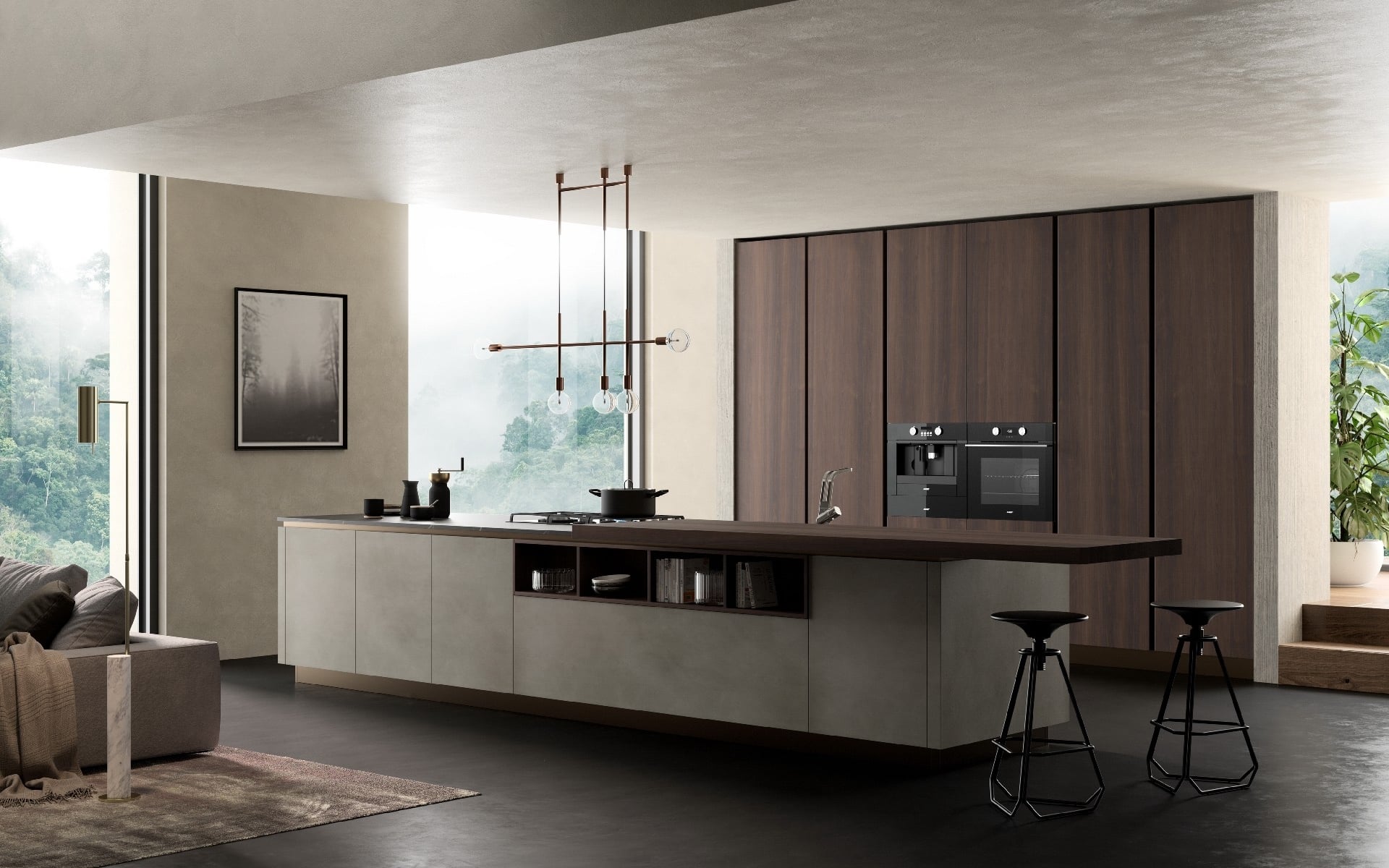
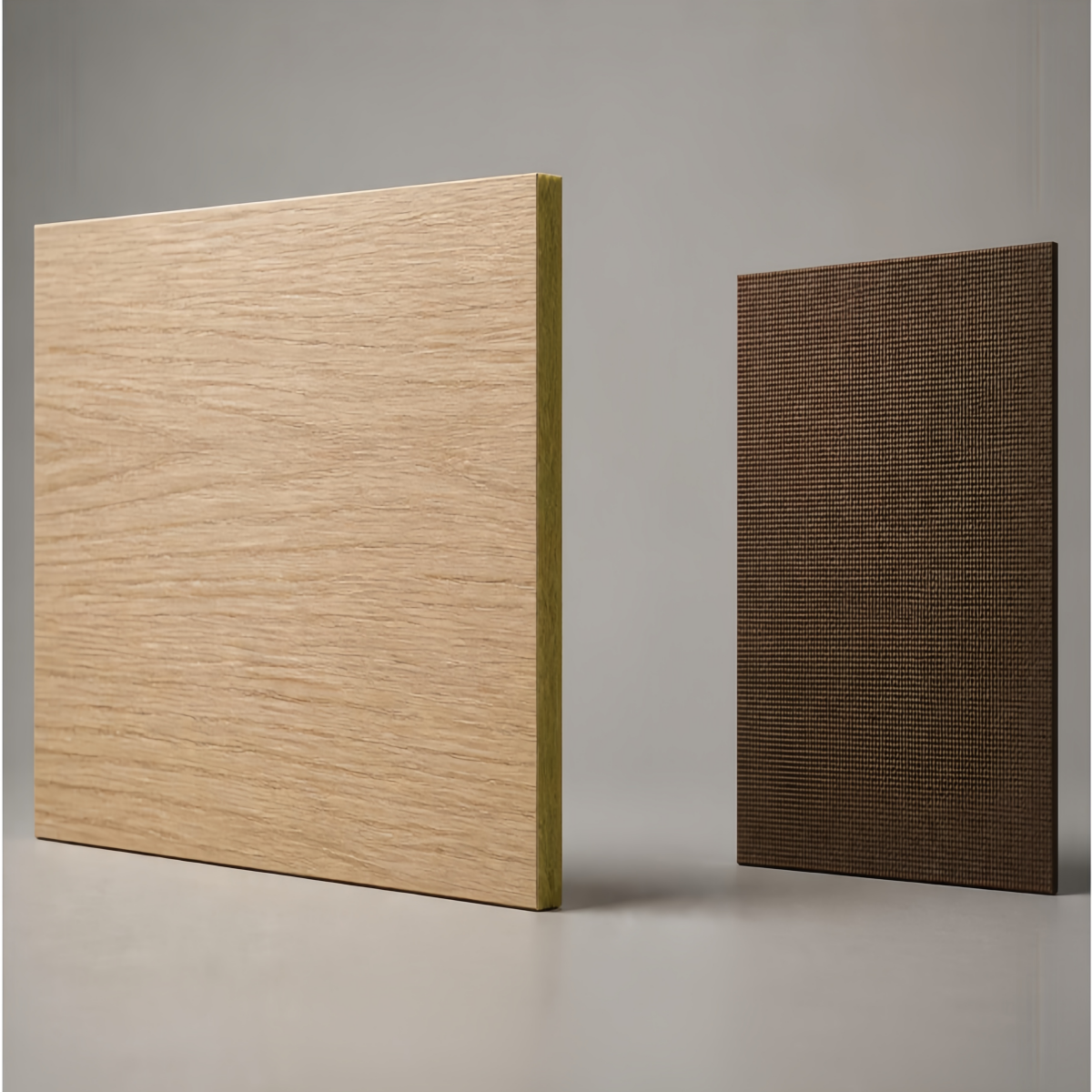
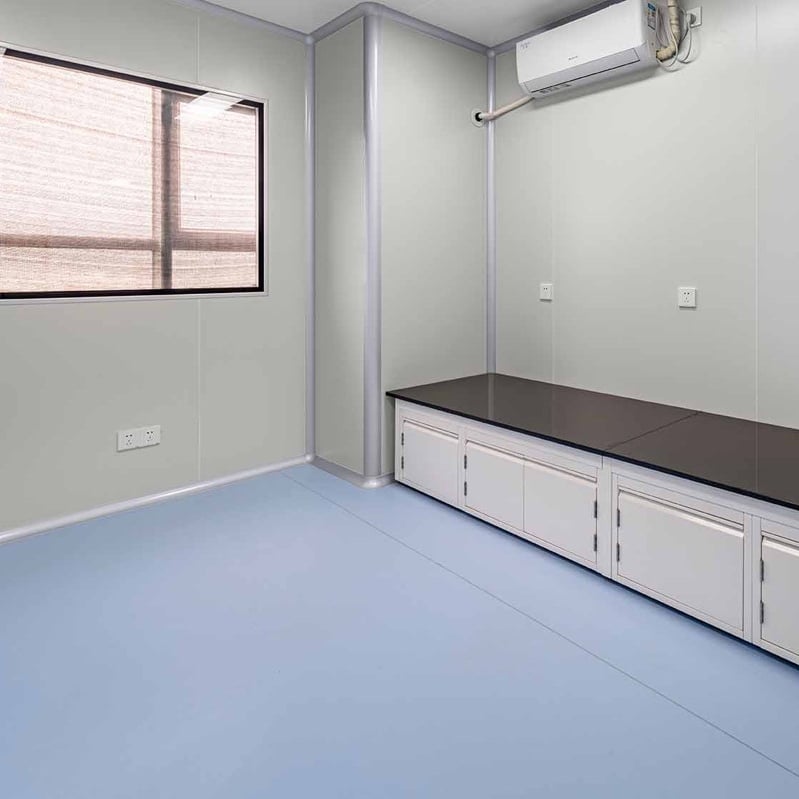
Compressed laminate worktops are made by pressing resin-impregnated layers into a dense solid sheet, usually 12–13 mm thick. Unlike a thin laminate bonded to chipboard, the solid core allows sink openings, cable ports and appliance recesses to be routed with edges polished in place. Andiwilson reviews decor, sheet format, edge detail and fixing method before production. Illustrative projects include staff canteens, veterinary prep rooms and coffee packing benches. Sheets are commonly supplied at 3050 × 1300 mm or 2440 × 1220 mm, with protective film and batch labels. Fabricators can nest multiple components per sheet to control waste. A dry-fit checks cut-outs against taps, equipment and hatches before concealed brackets are fixed. Cleaning usually involves neutral-detergent wiping and prompt spill removal, while joints and edges should be inspected periodically. Project teams should confirm product data, sealing details and machining guidance before ordering, because cut-out depth and support conditions affect finished worktop performance.
26
Jul
23
Sep
29
Sep
23
Oct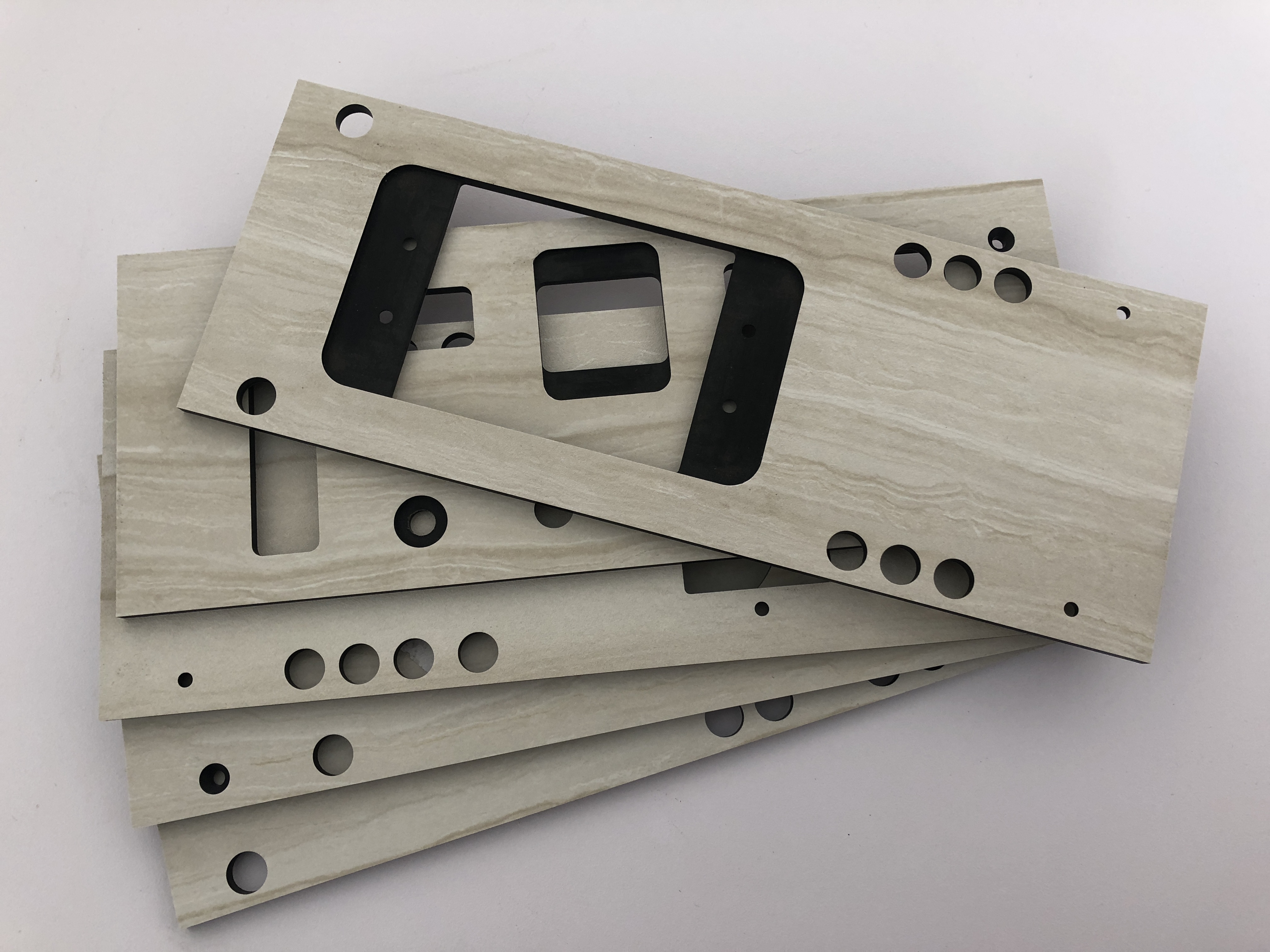

 ONLINE

Shanghai Xingjinxin International Trade Co., Ltd. | We specialize in decorative wall panels, flooring, mouldings, and interior decoration materials for residential and commercial projects. Combining reliable quality, innovative designs, and professional service, we provide customized solutions that help customers create durable, stylish, and functional interior spaces worldwide.
Room 1316, Yongsheng Building, 2025 Zhongshan West Road, Xuhui District, Shanghai
Copyright © 2026 By Shanghai Xingjinxin International Trade Co., Ltd. Privacy Policy
 EN