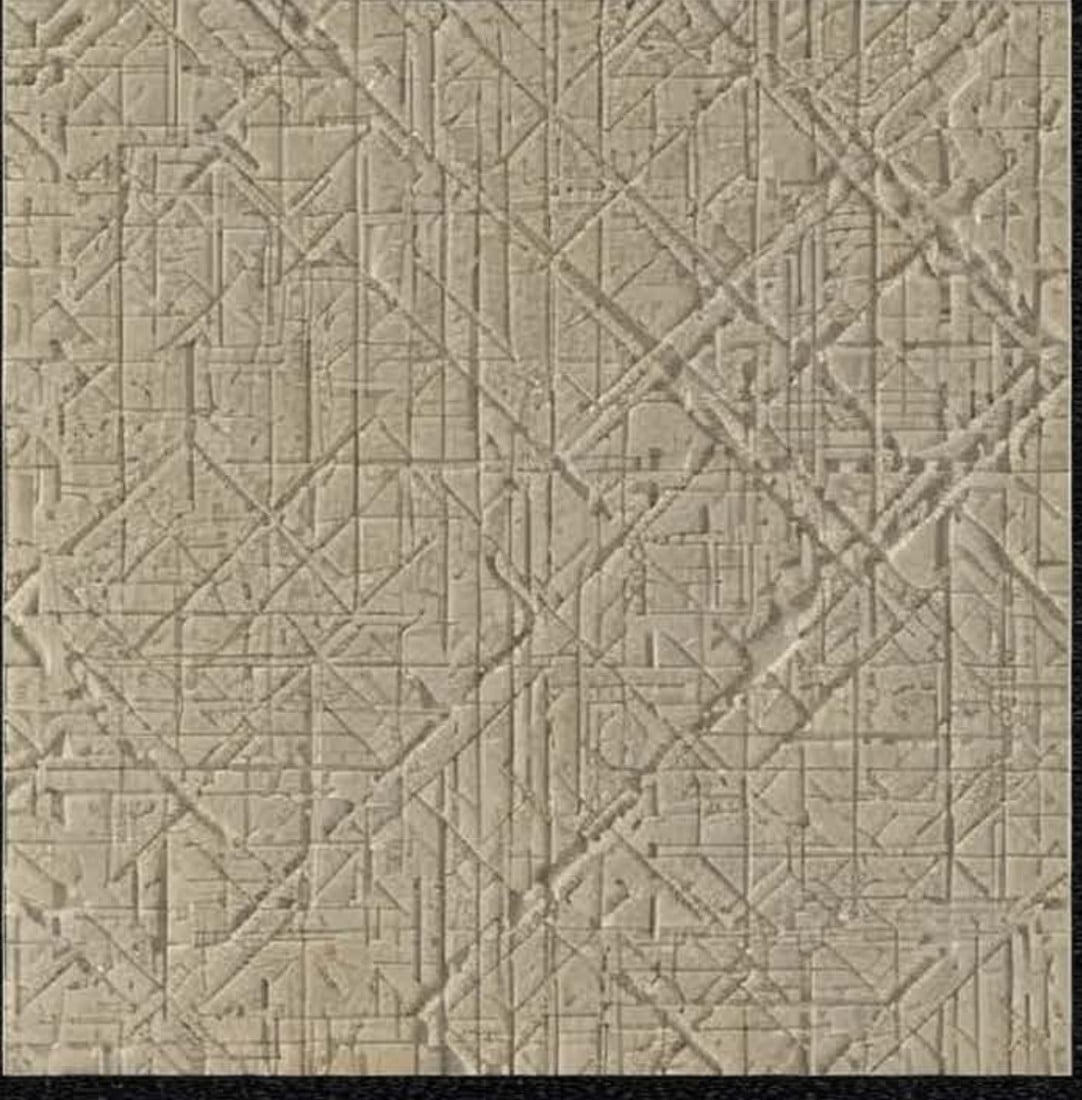
High Pressure Laminate Sheets: Spec Guide for Hotels, Clinics & Retail

Get a Free Quote

Our representative will contact you soon.
Email
Mobile/WhatsApp
Name
Company Name
Message
0/1000

Andiwilson High Pressure Laminate Sheets for Bonded Surfaces

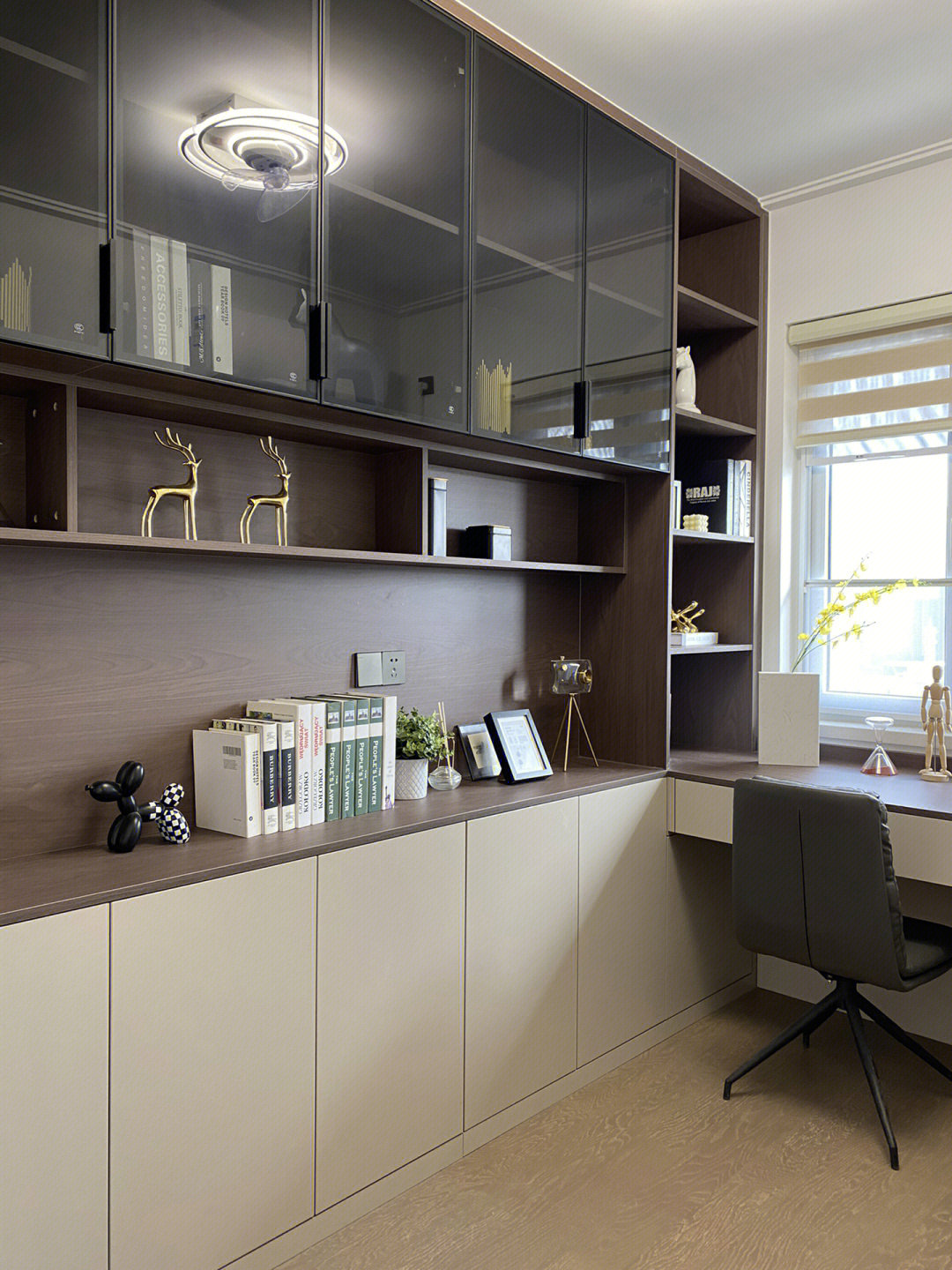
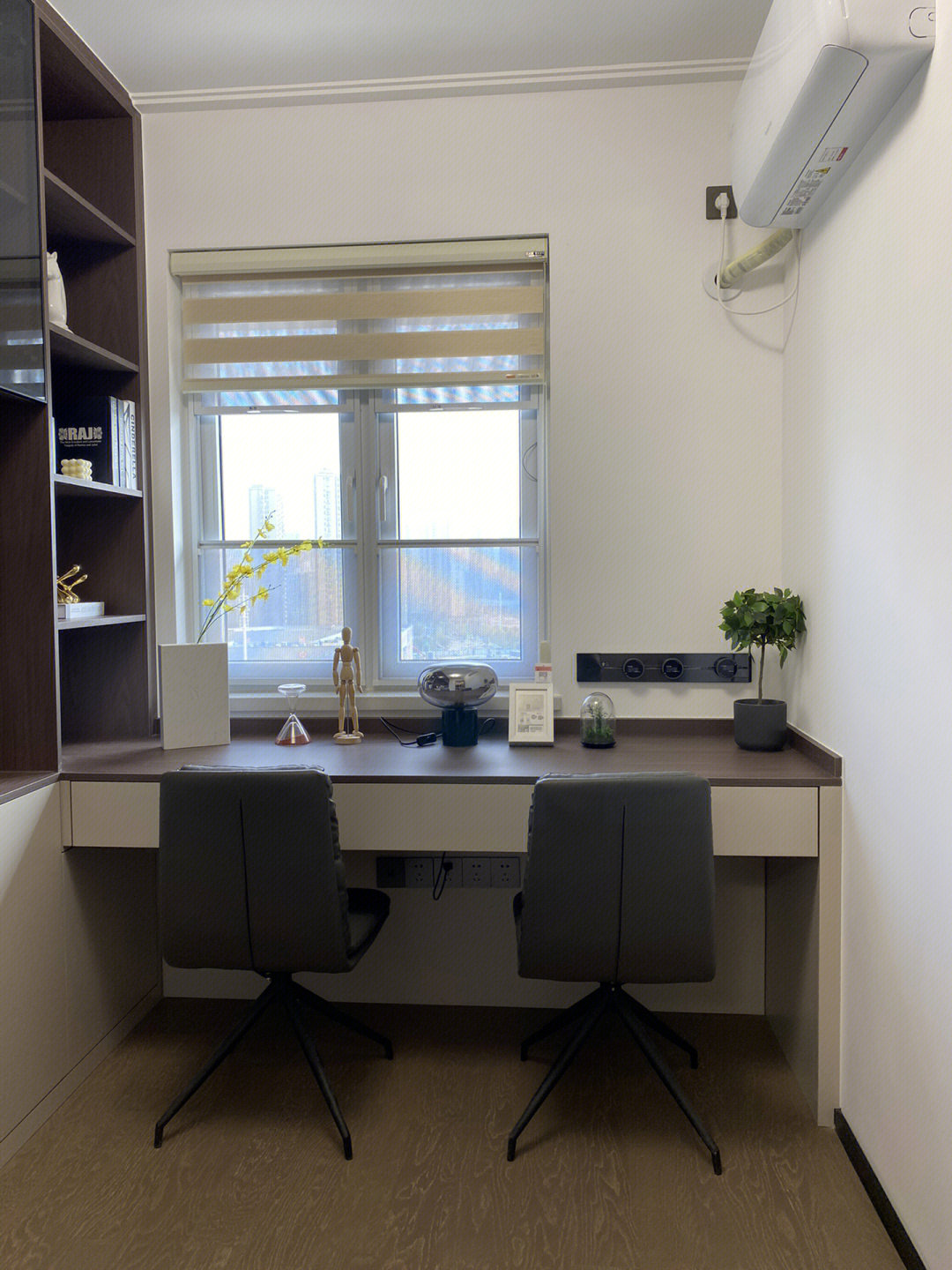
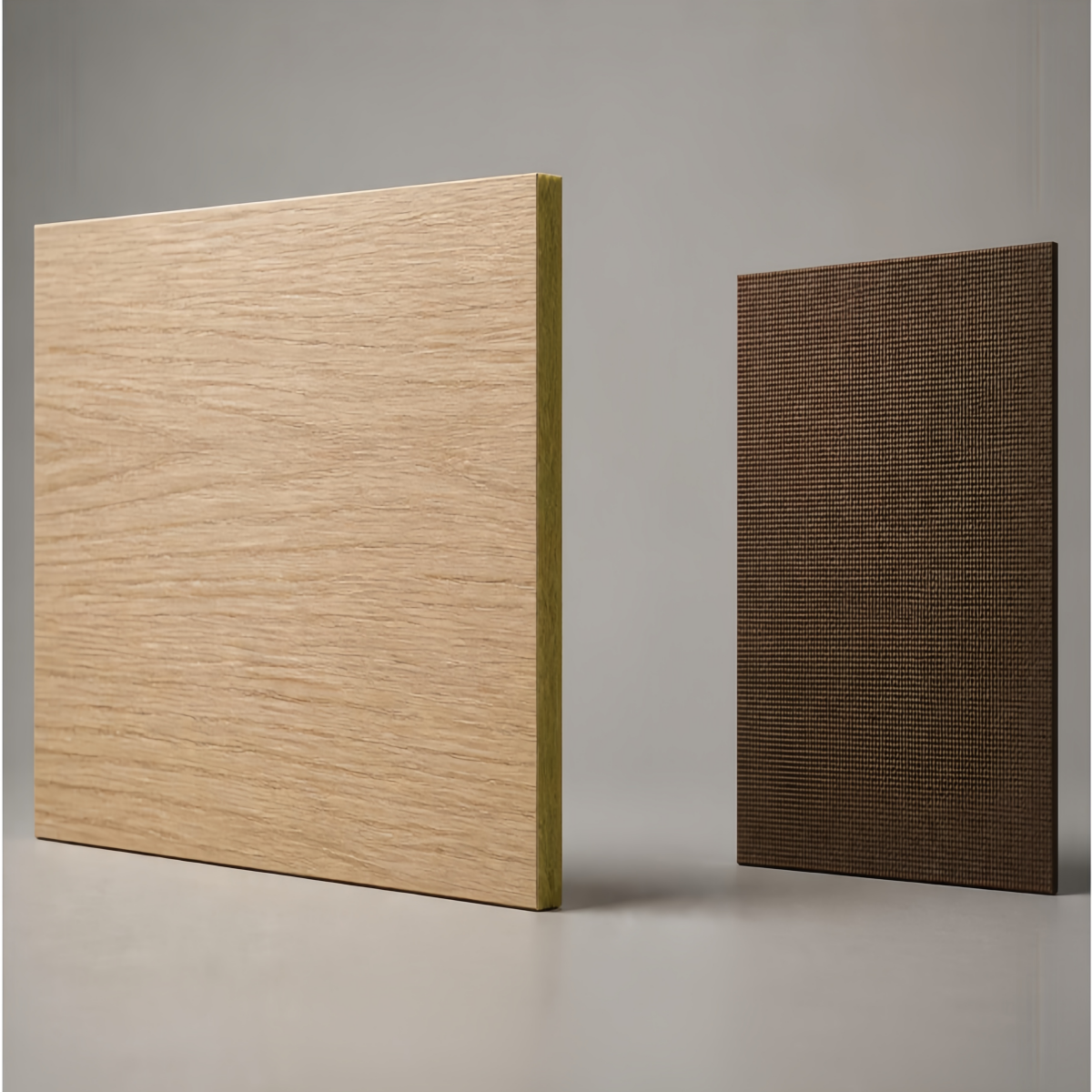
High pressure laminate sheets are thin decorative surfaces, typically 0.6–1.0 mm, bonded to MDF, plywood or particleboard for doors, cabinet faces and wall panels. Andiwilson reviews sheet thickness, backing grade and adhesive system before production. A specification exercise for hotel wardrobe doors used 0.8 mm sheets on 18 mm MDF with matching ABS edges; a clinic headboard trial used 0.7 mm sheets on sealed MDF. Both focused on cleanability, edge adhesion and batch continuity. Suitability depends on substrate and bonding method, not blanket claims.
Get A Quote

Case Study

Hotel Wardrobe Doors and Door Casings

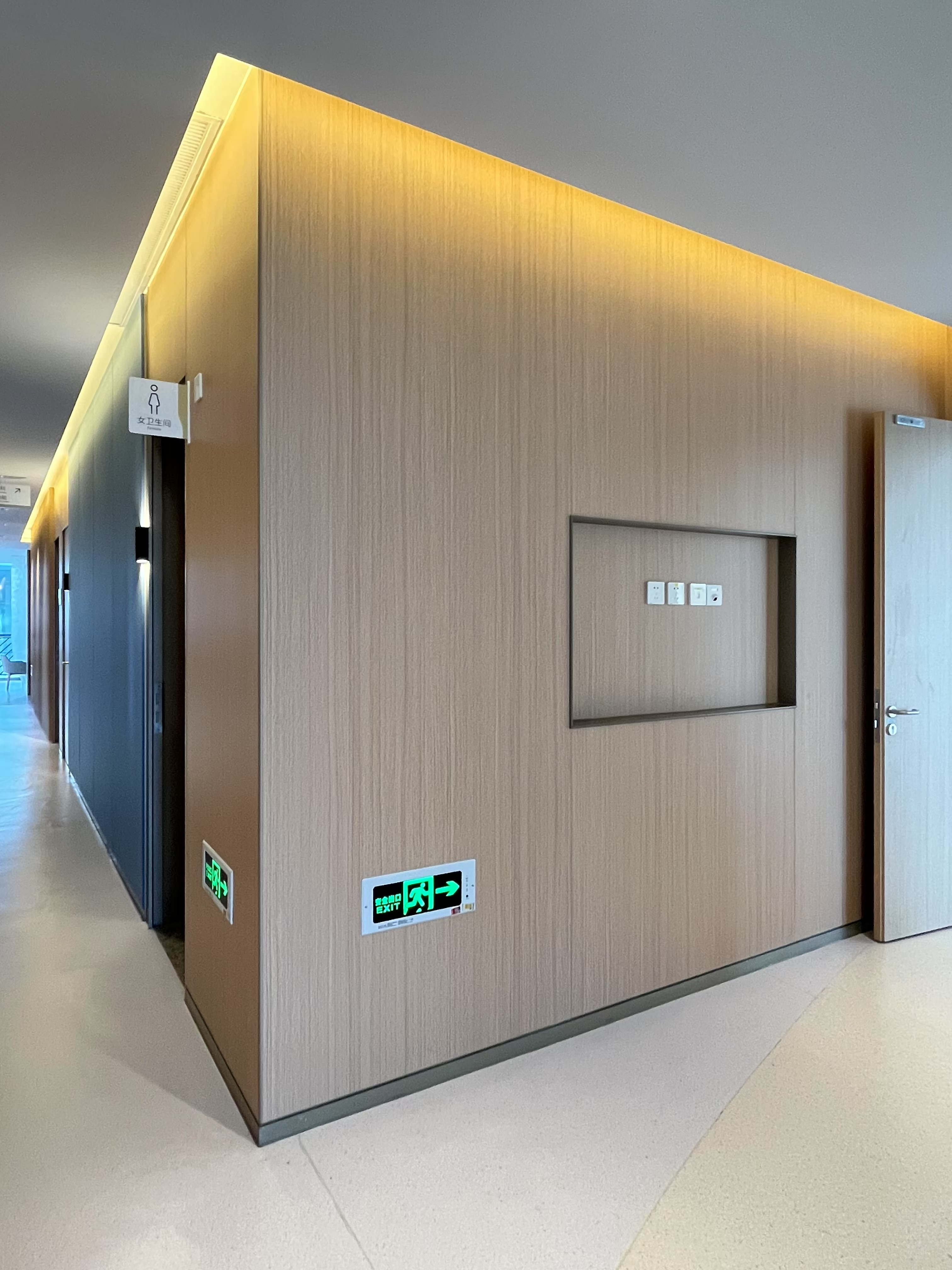
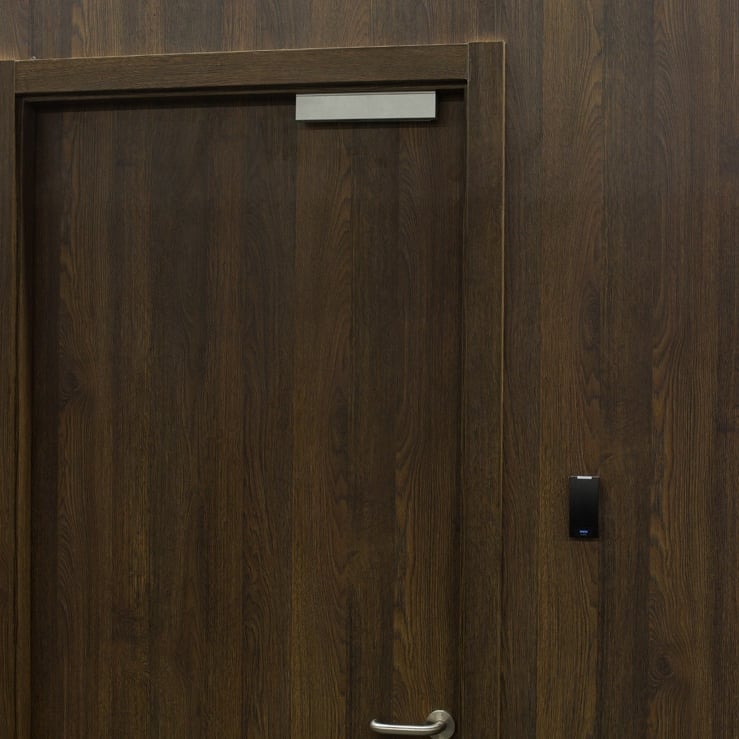
A specification exercise for a hotel refurbishment considered 0.8 mm high pressure laminate sheets for wardrobe doors and door casings. Sheets were bonded to 18 mm MDF in a walnut decor, with matching ABS edging and concealed hinges. The fabricator pressed panels in the workshop, trimmed edges and labelled doors by room before delivery. Housekeeping asked for a simple wipe-down routine and touch-up plan for edges. Two spare doors were retained for future repairs. The brief addressed colour continuity, edge adhesion and maintainable replacement, with performance checked against the chosen sheet grade and adhesive system.

Clinic Headboard and Wall Protection Sheets

A specification exercise for a clinic refurbishment examined 0.7 mm high pressure laminate sheets for headboards and lower wall protection. Sheets were bonded to sealed 15 mm MDF, with aluminium trim at exposed corners and sealed joints at hand-wash stations. The contractor reviewed a master sheet under ward lighting before production, then packed sheets by room for phased works. Cleaning staff requested neutral-detergent guidance and a method for reporting chipped edges. One spare sheet was kept for repairs. The brief prioritised cleanability, joint sealing and replacement planning, with suitability tied to the selected grade and fixing detail.

Retail Display Cabinet Faces and Shelf Backs

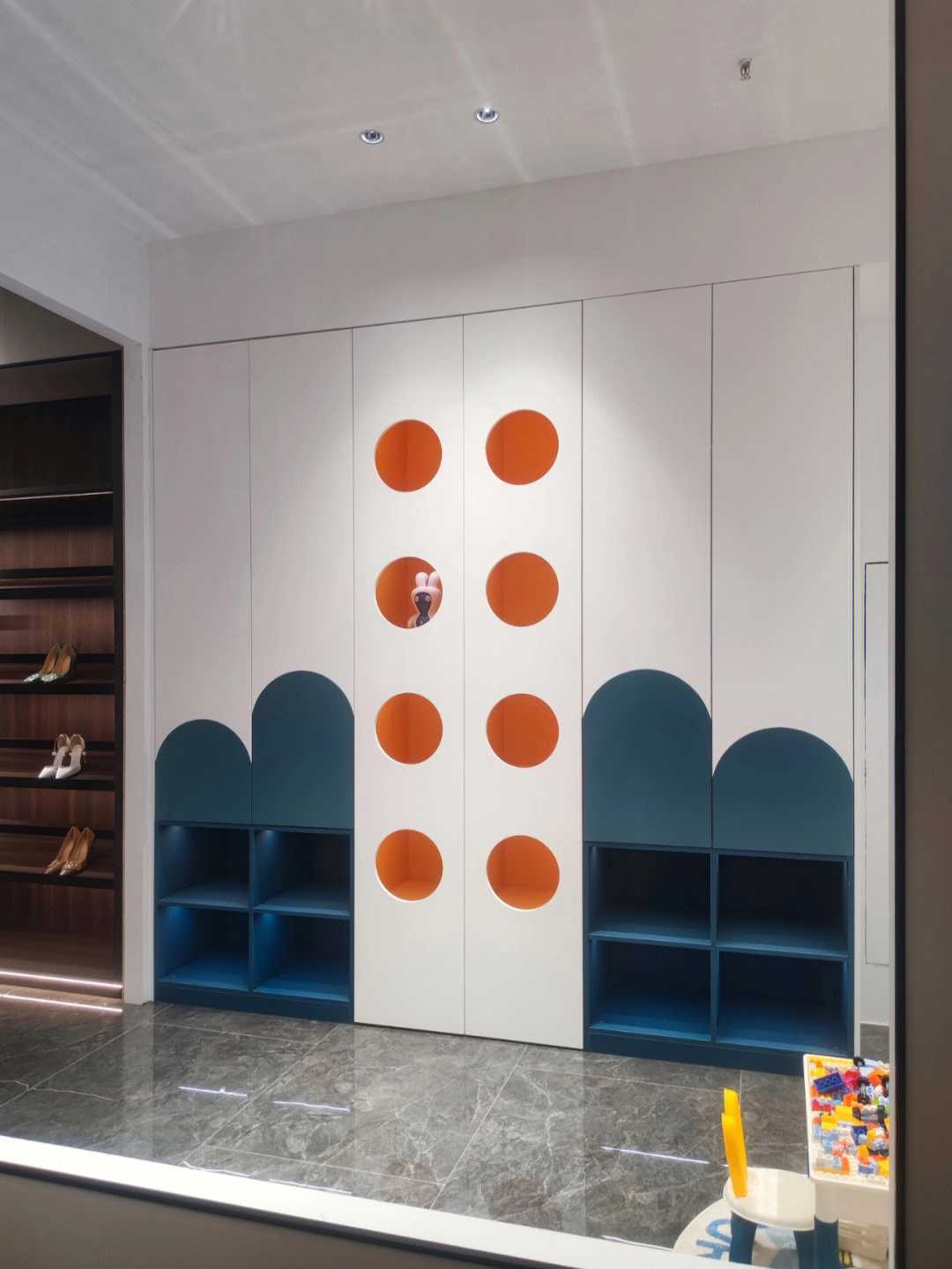
A specification exercise for a retail fixture package used 0.7 mm high pressure laminate sheets on 18 mm particleboard for display cabinet faces and shelf backs. A pale linen decor was selected after comparing chips under track lighting. Sheets were pressed in two batches to match the store's trading schedule, then labelled by cabinet code. Edges received matching ABS banding, and felt pads protected shelf backs during transport. Staff agreed a daily fingerprint wipe and retained one spare sheet. The brief covered appearance continuity, edge protection and practical replacement, with durability expectations limited to the chosen sheet and bonding process.

Related products

High pressure laminate sheets are thin decorative surfaces, usually supplied in 0.6–1.0 mm grades, for bonding to MDF, particleboard, plywood or approved composite substrates. They differ from rigid HPL panels because the sheet relies on the substrate for strength and shape. Andiwilson supports specification by reviewing sheet thickness, backing grade, adhesive system, edge treatment and post-forming requirements before production. Workshop lamination typically involves adhesive selection, press or roller application, trimming and edge banding. Sheets can be supplied in standard 2440 × 1220 mm formats, with project sizes subject to confirmation. A specification exercise for hotel wardrobe doors used 0.8 mm sheets on 18 mm MDF; a clinic headboard package used 0.7 mm sheets on sealed MDF. Batch labels and packing by room help installers match sheets to doors and panels. Andiwilson provides care notes for neutral-detergent wiping and edge inspection. Performance depends on the substrate, adhesive and edge detail, so project teams should confirm current technical data before ordering.

Frequently Asked Questions

How does an HPL sheet differ from an HPL panel?

A sheet is a thin decorative surface, usually 0.6–1.0 mm, bonded to a substrate. A panel is a rigid board with a core, often 10–18 mm, fixed as a finished component. Andiwilson advises matching the format to the application, edge detail and fixing method.
Common substrates include MDF, particleboard, plywood and approved composite boards. Selection depends on moisture exposure, fixing method and edge treatment. Substrate flatness and surface condition affect adhesion. Andiwilson advises confirming adhesive compatibility and current bonding guidance before production. For doors and wall panels, sealed edges also matter.
Door faces often use 0.7–0.9 mm sheets, with 0.8 mm common in illustrative specifications. Final choice depends on door construction, edge detail and handling. Andiwilson advises checking current availability, post-forming limits and adhesive guidance before ordering. Thicker sheets may suit some edge profiles.
Some HPL grades can be post-formed around a radius when the manufacturer's temperature and radius limits are followed. Not every grade suits this process. Andiwilson advises confirming post-forming suitability, substrate and edge detail before fabrication, because incorrect bending can affect appearance and adhesion.
Routine cleaning with a soft cloth and neutral detergent is normally sufficient. Avoid abrasive pads, strong solvents and prolonged wet contact unless product guidance permits them. Andiwilson provides care notes for daily wiping and edge inspection, but cleaning chemicals should be checked against the selected sheet grade.

Related article

Why Do Architects Prefer Custom Textured Wall Panels for Museum and Gallery Spaces?

23

Sep

Why Do Architects Prefer Custom Textured Wall Panels for Museum and Gallery Spaces?

The Acoustic Problem That Decorative Finishes Alone Cannot Solve Walk into a gallery with hard floors, high ceilings, and bare drywall, and the space tells you something immediately. Footsteps carry. Conversations from three rooms away bleed throug...
View More
Why Should Designers Use Custom Textured Wall Panels for Feature Walls?

07

Oct

Why Should Designers Use Custom Textured Wall Panels for Feature Walls?

A Feature Wall Is a Working Surface, Not a Backdrop Designers often choose a feature wall from a rendering first. A bold texture or metallic finish looks convincing in perspective, then the built wall reveals problems the image never showed: glare fr...
View More
How Do Exterior Wall Laminated Panels Help Reduce Carbon Footprint in Construction?

12

Oct

How Do Exterior Wall Laminated Panels Help Reduce Carbon Footprint in Construction?

The Carbon Argument Starts With How Little Aluminium Goes Into the Panel A laminated exterior panel is not a thin coat of paint over a solid metal sheet. It is a sandwich. Two thin aluminium skins sit on either side of a core that does most of the di...
View More
A Complete Guide to Choosing the Right Exterior Wall Laminated Panels for Your Next Project.

23

Oct

A Complete Guide to Choosing the Right Exterior Wall Laminated Panels for Your Next Project.

Fire Classification Comes Before Aesthetics Specifying exterior wall laminated panels for a new project usually begins with a finish sample, a color, and a profile. That order is risky. A facade panel on a commercial building is part of a life safety...
View More

Sheet Bonding Planning Notes

Elena Rossi

A planning note for hotel wardrobe doors described 0.8 mm HPL sheets bonded to 18 mm MDF in a walnut decor. Workshop pressing, edge trimming and room labels helped the contractor deliver doors in sequence. Housekeeping received a wipe-down routine and edge touch-up plan. Two spare doors were retained for repairs. The note focused on colour continuity, edge adhesion and maintainable replacement, with performance checked against the chosen sheet grade and adhesive system rather than general claims.

James Okafor

A planning note for a clinic headboard package described 0.7 mm HPL sheets on sealed 15 mm MDF, with aluminium corner trim and sealed joints. A master sheet was reviewed under ward lighting before production, and sheets were packed by room for phased works. Cleaning staff requested neutral-detergent guidance and a method for reporting chipped edges. One spare sheet was kept. The note prioritised cleanability, joint sealing and replacement planning, with suitability tied to the selected grade and fixing detail.

Get a Free Quote

Our representative will contact you soon.
Email
Mobile/WhatsApp
Name
Company Name
Message
0/1000
Sheet Thickness and Substrate Matching

Sheet Thickness and Substrate Matching

HPL sheet performance depends on matching thickness and backing to the substrate and application. Door faces often use 0.7–0.9 mm sheets, while wall panels may use similar grades on sealed MDF. Andiwilson reviews substrate flatness, adhesive system and edge treatment before production. In a specification exercise for hotel wardrobe doors, 0.8 mm sheets were bonded to 18 mm MDF and edged with matching ABS. The aim is reliable adhesion and a clean edge, not a universal thickness recommendation. Current availability and bonding guidance should be confirmed.
Workshop Lamination and Edge Trimming

Workshop Lamination and Edge Trimming

Workshop lamination gives controlled adhesive application, pressing and trimming, which helps produce consistent edges on doors and cabinet faces. Andiwilson encourages agreed cut lists, adhesive selection and edge profiles before production. Sheets are usually pressed onto MDF or particleboard, then trimmed and banded. In a retail fixture exercise, 0.7 mm sheets were pressed in two batches, labelled by cabinet code and edged with matching ABS. Felt pads protected shelf backs during transport. Clean trimming supports appearance and routine wiping, but tooling and adhesive guidance should follow current recommendations.
Batch Packing and Door Labelling

Batch Packing and Door Labelling

Thin HPL sheets are easily scratched, so packing and labelling affect installation quality. Andiwilson discusses labelling by door, room or cabinet code and packing in the agreed sequence. In a hotel wardrobe door exercise, sheets were pressed, edged and labelled by room before delivery, which reduced sorting on site. Protective interleaves and flat stacking helped prevent surface marks. Clear labels also support future replacement planning. Packing details should be confirmed against the project programme, current lead times and the agreed handling method.
onlineONLINE