Floating Laminate Flooring: Fast, Reversible Click-Lock Installation

Get a Free Quote

Our representative will contact you soon.
Email
Mobile/WhatsApp
Name
Company Name
Message
0/1000

Andiwilson Floating Laminate Flooring for Fast, Reversible Installs

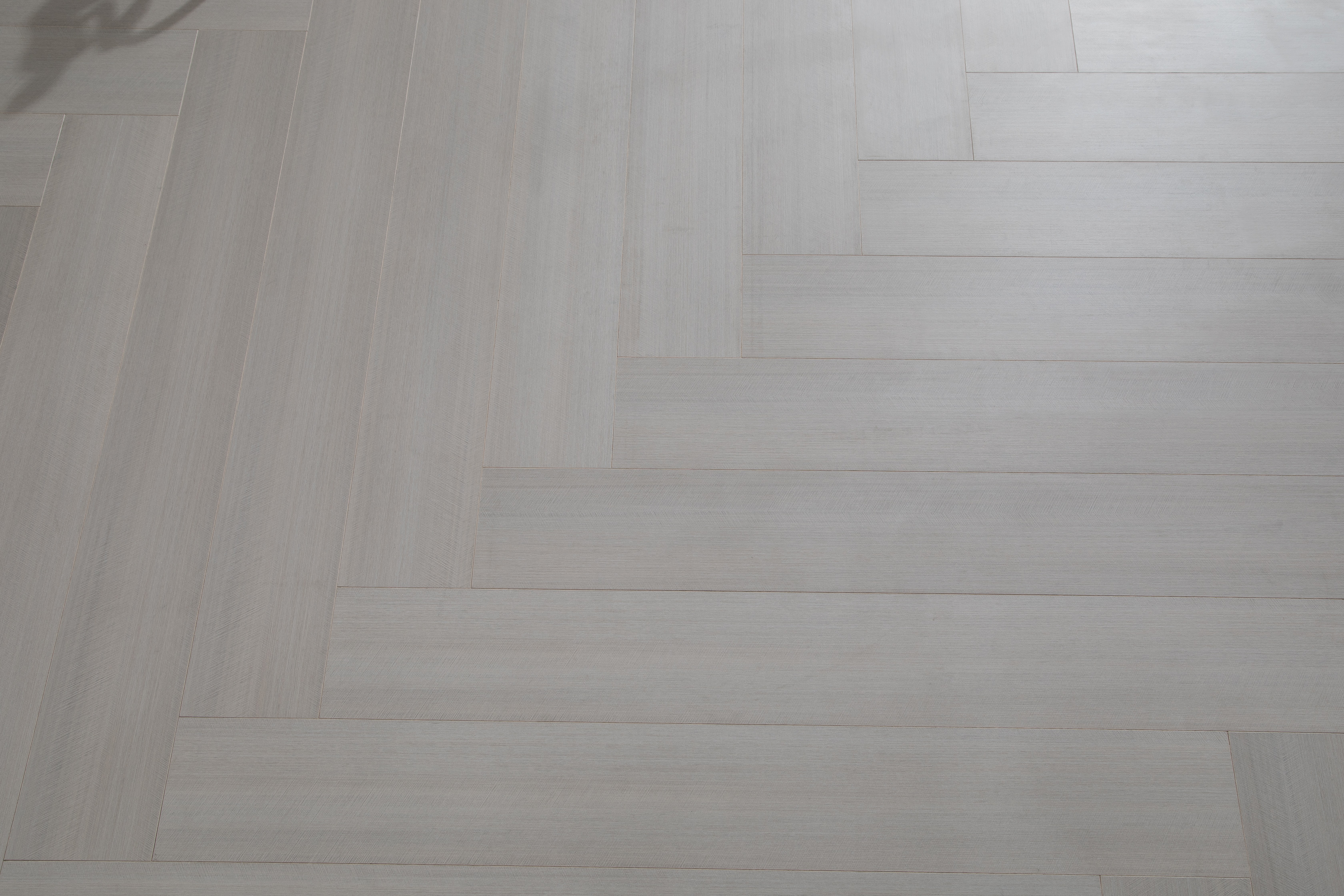
Floating laminate flooring uses a click-lock system that joins planks without adhesive, resting on an underlay over a prepared subfloor. Andiwilson reviews plank thickness, joint profile, underlay and flatness before specification. An illustrative rental apartment refresh used 8 mm click planks across 62 m², allowing removal and reuse during a later layout change. A pop-up exhibition stand used 10 mm planks that were lifted and stored after the event. Both briefs valued speed, clean removal and low mess. Suitability should be confirmed against the selected grade, subfloor condition and current installation guidance.
Get A Quote

Case Study

Rental Apartment Refresh with Reusable Click Planks

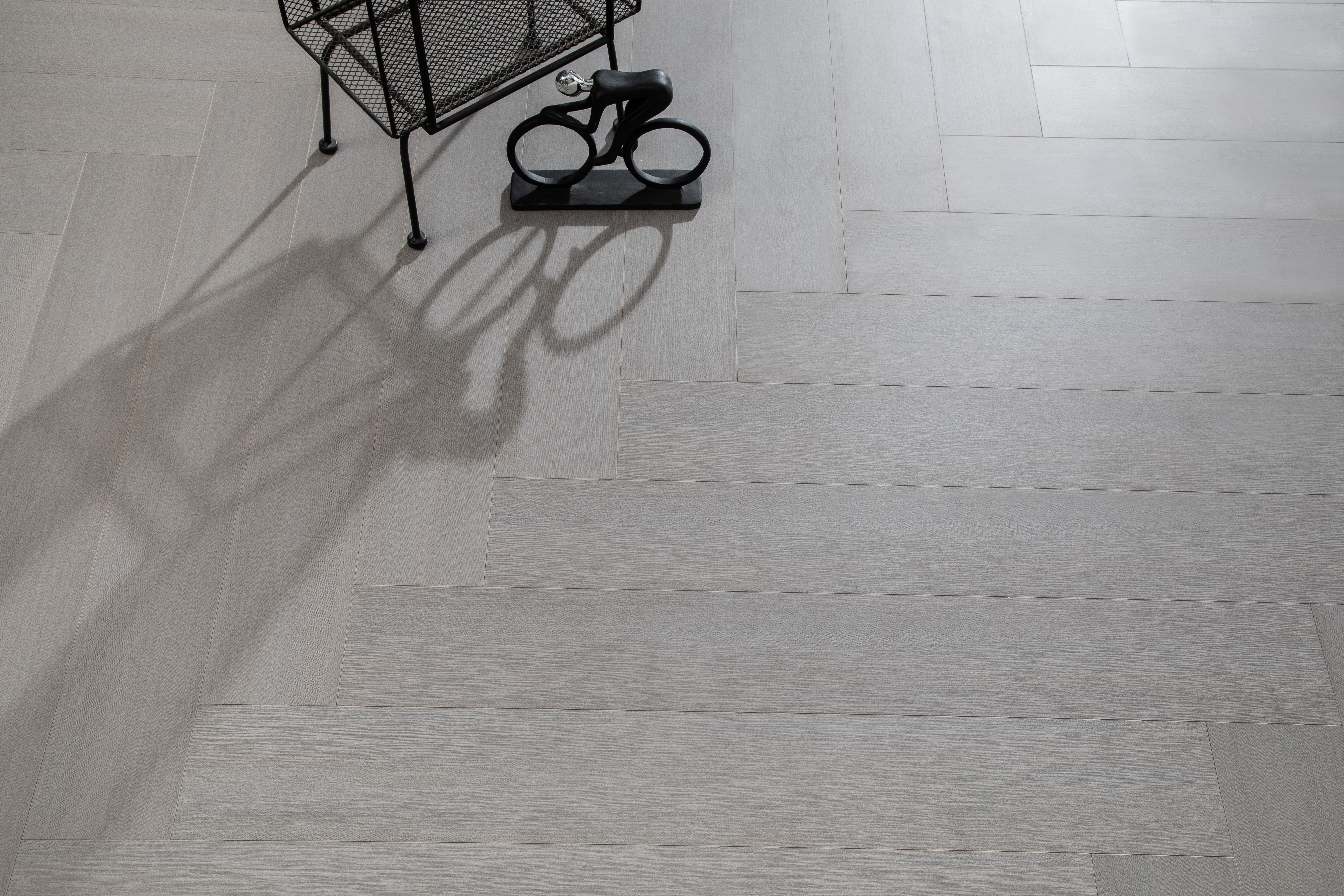
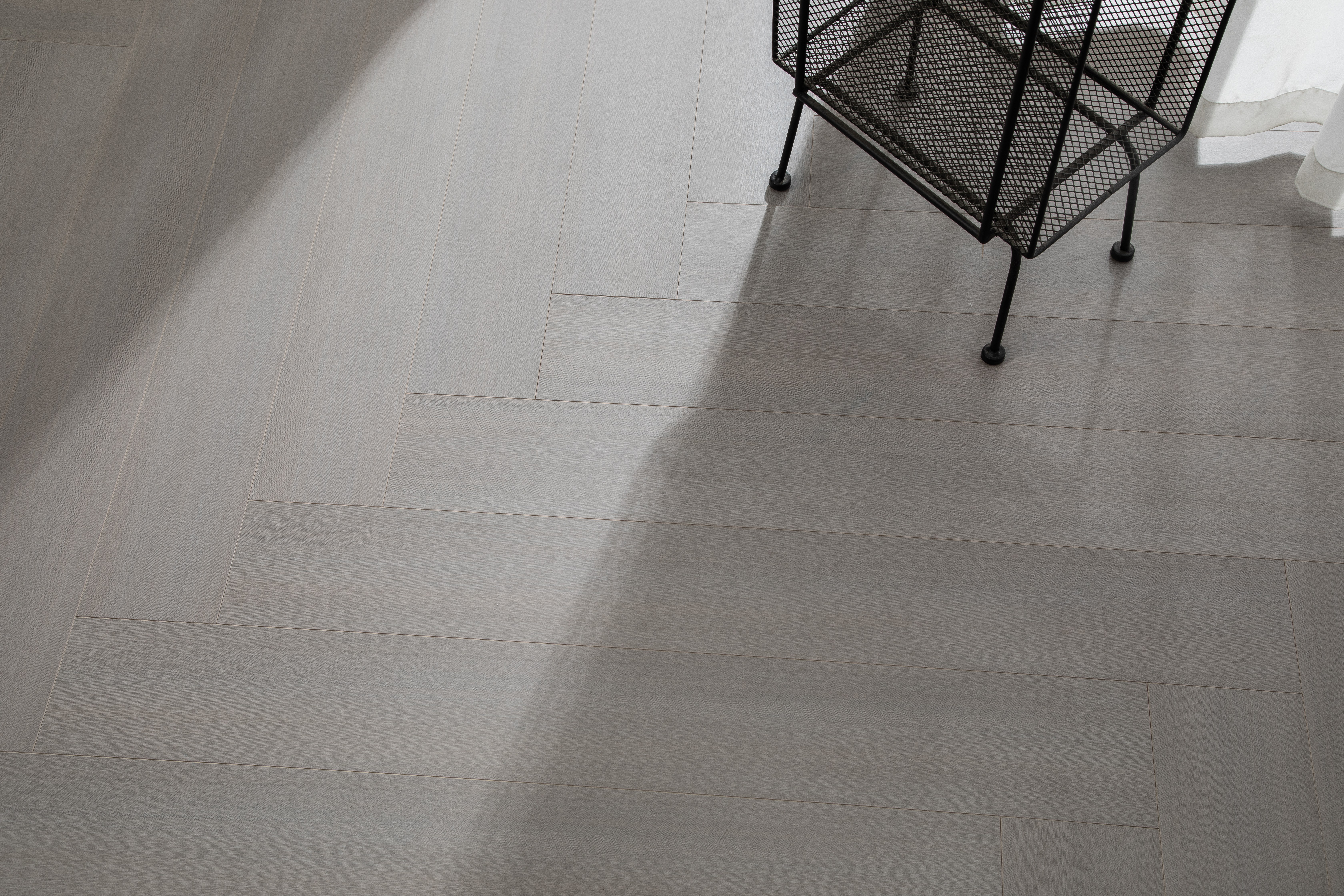
An illustrative rental apartment refresh used 8 mm floating laminate planks in a pale oak decor across a 62 m² living area and hallway. The click joints were laid over a foam underlay on a levelled subfloor, with a small expansion gap at perimeter walls concealed by skirting. Because the planks were not glued, the owner could later lift and reuse them during a kitchen layout change. Packs were conditioned for 48 hours before laying. The tenant received a dry-cleaning routine. The brief prioritised quick installation, clean removal and manageable maintenance.

Pop-Up Exhibition Stand with Lifted and Stored Planks

An illustrative pop-up exhibition stand used 10 mm floating laminate planks in a grey oak decor over a temporary raised platform. The click system allowed two installers to lay 28 m² in a single evening without adhesive or specialist tools. After the three-day event, the planks were lifted, cleaned and stored in labelled packs for the next show. Edge trims were reused where possible. The organiser valued quick removal and low waste. The brief focused on speed, reusability and a neat appearance under display lighting, with suitability checked against the selected plank grade.

Home Gym and Playroom with Impact-Softening Underlay

An illustrative home gym and playroom project used 10 mm floating laminate planks over a 5 mm acoustic underlay to soften footfall and dropped-toy noise. The click joints were laid over a levelled concrete subfloor with a vapour barrier. Perimeter gaps were left at walls and fixed units. The owner agreed a dry-mop routine and felt pads under gym equipment. Two spare packs were stored for future repairs. The brief addressed acoustic comfort, cleanability and simple replacement, with performance confirmed against the chosen underlay and plank grade rather than general claims.

Related products

Floating laminate flooring is a plank system that locks together and rests on an underlay rather than being glued or nailed to the subfloor. The click-lock joint allows fast installation, clean removal and reuse when planks are undamaged. Andiwilson supports projects by reviewing plank thickness, joint profile, underlay, vapour barrier and subfloor flatness before order. Illustrative specifications often use 8 mm planks for rental refreshes and 10 mm planks where more stability or acoustic comfort is wanted. A foam or acoustic underlay is selected to suit the room and noise requirements. Perimeter expansion gaps are left at walls and fixed elements, then concealed with skirting or trim. Planks can be conditioned before laying and packed by room for phased work. Andiwilson provides care notes covering dry cleaning, felt pads and prompt spill removal. Performance depends on subfloor preparation, underlay choice and joint condition, so project teams should confirm current technical data before ordering. This practical approach helps installers and occupiers plan a reversible floor without overstating moisture or wear resistance.
Frequently Asked Questions

What does floating laminate flooring mean?

It means the planks lock together and rest on an underlay without being fixed to the subfloor. The floor's weight and joint friction hold it in place. Andiwilson advises checking subfloor flatness, underlay type and expansion gaps before installation, and confirming current guidance for the selected product.
Most floating systems use click-lock joints and do not require adhesive along the planks. Some installations may use a small amount of glue at specific joints or thresholds. Andiwilson advises following current installation instructions for the chosen product rather than assuming every joint is glueless.
It can sometimes be laid over sound, flat hard floors with a suitable underlay, but existing soft coverings usually need removal. Moisture and height differences must be checked. Andiwilson advises confirming subfloor condition, door clearances and underlay compatibility before starting work.
Routine care usually involves dry mopping and occasional damp wiping with a neutral cleaner. Avoid wet mopping, steam cleaners and abrasive pads unless product guidance permits them. Felt pads and entrance matting help reduce marks. Andiwilson provides care notes for daily maintenance and spill removal.
Planks can often be lifted and reused if the joints are undamaged and the product is designed for repeated assembly. Reuse depends on handling, joint condition and current guidance. Andiwilson advises keeping spare packs and labelling planks during removal to support later relaying.

Related article

Quartz Fiber Board for Medical and Commercial Buildings: A New Generation of A-Class Fireproof Decorative Wall Panels

30

Jul

Quartz Fiber Board for Medical and Commercial Buildings: A New Generation of A-Class Fireproof Decorative Wall Panels

View More
Why Do Architects Prefer Custom Textured Wall Panels for Museum and Gallery Spaces?

23

Sep

Why Do Architects Prefer Custom Textured Wall Panels for Museum and Gallery Spaces?

The Acoustic Problem That Decorative Finishes Alone Cannot Solve Walk into a gallery with hard floors, high ceilings, and bare drywall, and the space tells you something immediately. Footsteps carry. Conversations from three rooms away bleed throug...
View More
How to Choose the Right High Pressure Laminate Finish for Your Interior Surfaces?

19

Oct

How to Choose the Right High Pressure Laminate Finish for Your Interior Surfaces?

Start With the Wear Layer, Not the Color Card High pressure laminate finish selection often begins with a color card and a visual preference. That sequence is backward. The finish on an HPL surface is a performance layer before it is a decorative lay...
View More
A Complete Guide to Choosing the Right Exterior Wall Laminated Panels for Your Next Project.

23

Oct

A Complete Guide to Choosing the Right Exterior Wall Laminated Panels for Your Next Project.

Fire Classification Comes Before Aesthetics Specifying exterior wall laminated panels for a new project usually begins with a finish sample, a color, and a profile. That order is risky. A facade panel on a commercial building is part of a life safety...
View More

Illustrative Floating Flooring Notes

Laura Simmons

An illustrative rental apartment note described 8 mm click planks across a 62 m² living area and hallway. The planks were laid over foam underlay with perimeter gaps concealed by skirting. Because no adhesive was used, the owner later lifted and reused the floor during a kitchen change. Packs were conditioned for 48 hours and the tenant received a dry-cleaning routine. The note focused on quick installation, clean removal and manageable maintenance, with suitability checked against the plank grade.

Daniel Cho

An illustrative exhibition stand note described 10 mm floating planks over a temporary platform. Two installers laid 28 m² in one evening without adhesive, and the planks were lifted, cleaned and stored in labelled packs after the three-day event. Edge trims were reused where possible. The organiser valued quick removal and low waste. The note focused on speed, reusability and appearance under display lighting, with suitability checked against the selected plank grade and installation guidance.

Get a Free Quote

Our representative will contact you soon.
Email
Mobile/WhatsApp
Name
Company Name
Message
0/1000
Click-Lock Joints for Fast, Clean Installation

Click-Lock Joints for Fast, Clean Installation

Floating floors rely on a click-lock joint rather than adhesive, which can speed up installation and reduce mess on site. Andiwilson discusses joint profile, plank thickness and underlay before order. In an illustrative exhibition stand, two installers laid 28 m² in one evening without specialist tools. Clean installation also helps in occupied homes and rental properties where dust and adhesive odour are concerns. Joint quality and subfloor flatness affect how well the floor locks together, so current installation guidance should be followed.
Reversible Floors for Temporary or Changing Spaces

Reversible Floors for Temporary or Changing Spaces

Because floating planks are not fixed to the subfloor, they can sometimes be lifted and reused when joints remain undamaged. Andiwilson advises labelling planks during removal and storing spare packs flat. In an illustrative rental apartment, the owner later lifted the floor during a kitchen change and reused the planks. Reuse depends on handling, joint condition and current product guidance. The approach suits temporary exhibitions, rental interiors and spaces likely to change layout, but it should not be presented as unlimited reusability.
Underlay Selection for Comfort and Subfloor Tolerance

Underlay Selection for Comfort and Subfloor Tolerance

Underlay affects acoustic comfort, footfall feel and tolerance of minor subfloor variation. Andiwilson discusses foam, acoustic and vapour-barrier options against the room and subfloor condition. In an illustrative home gym and playroom, a 5 mm acoustic underlay softened footfall and dropped-toy noise over a levelled concrete floor. Underlay choice should match the plank system, door clearances and moisture conditions. Current technical data and installation guidance should be confirmed before ordering, because underlay affects both performance and finished floor height.
onlineONLINE