Bathroom Laminate Flooring for Dry Zones: Expert Guide

Get a Free Quote

Our representative will contact you soon.
Email
Mobile/WhatsApp
Name
Company Name
Message
0/1000

Andiwilson Bathroom Laminate Flooring for Dry Zones

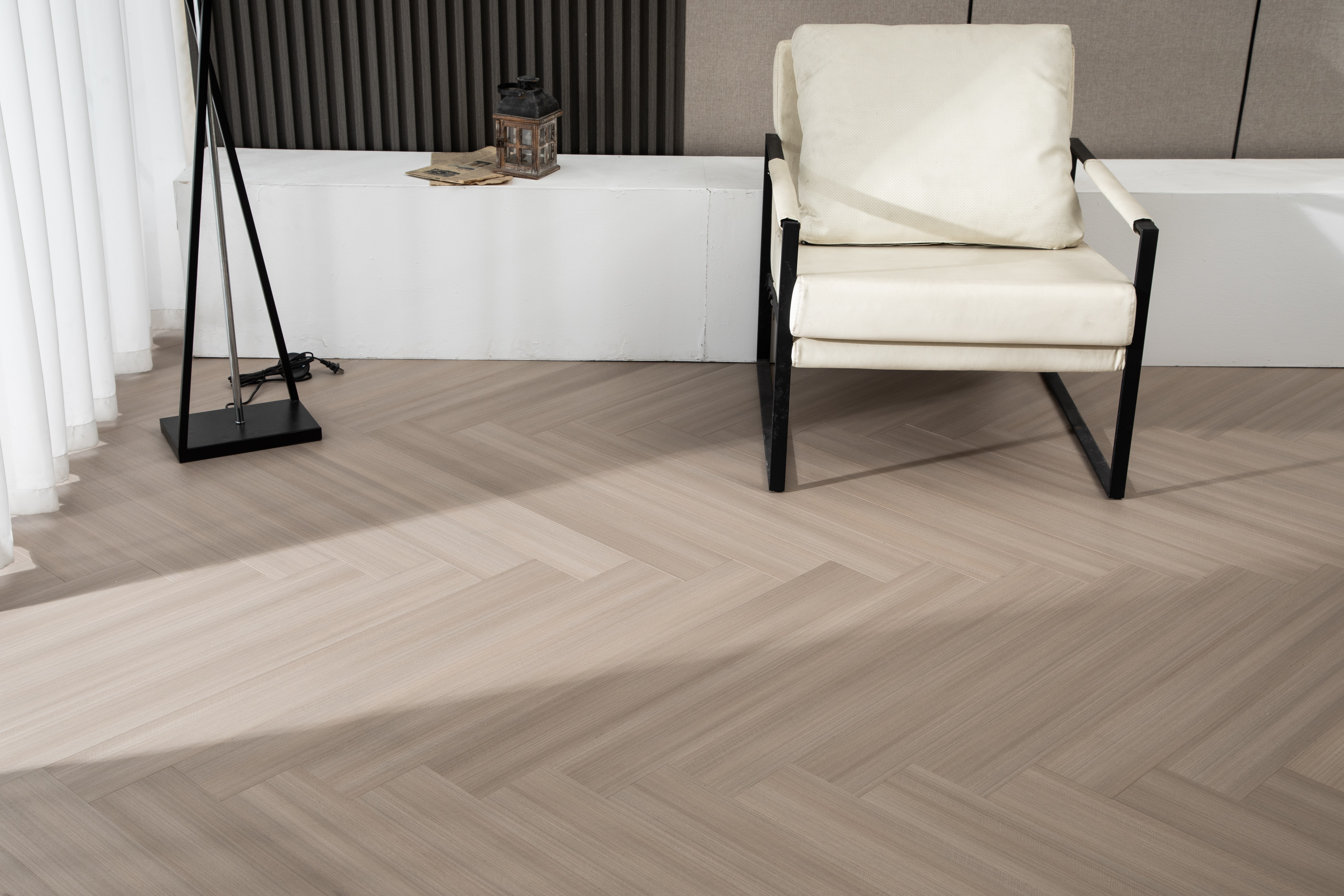
Bathroom laminate flooring is best treated as a dry-zone option, not a wet-room solution. Andiwilson reviews core type, joint seal, underlay and edge detailing before specification. In an illustrative 4 m² powder room, 10 mm water-resistant planks were laid with sealed perimeter gaps and a vapour barrier over concrete. A separate 6 m² vanity zone used 12 mm planks, while the shower remained tiled. Both briefs agreed prompt spill wiping and dry mopping. Suitability should be confirmed against current technical data and the bathroom layout.
Get A Quote

Case Study

Powder Room with No Shower

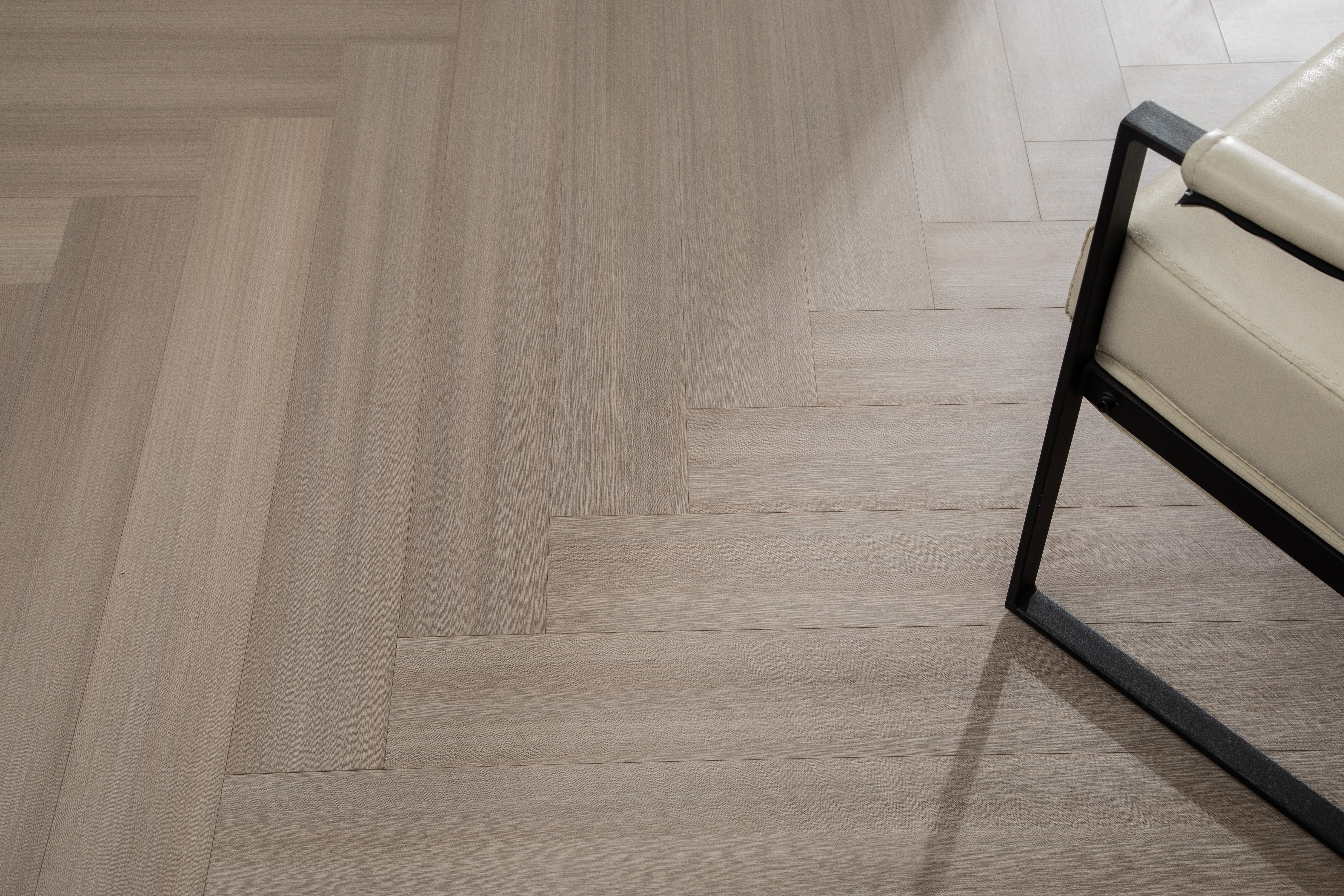
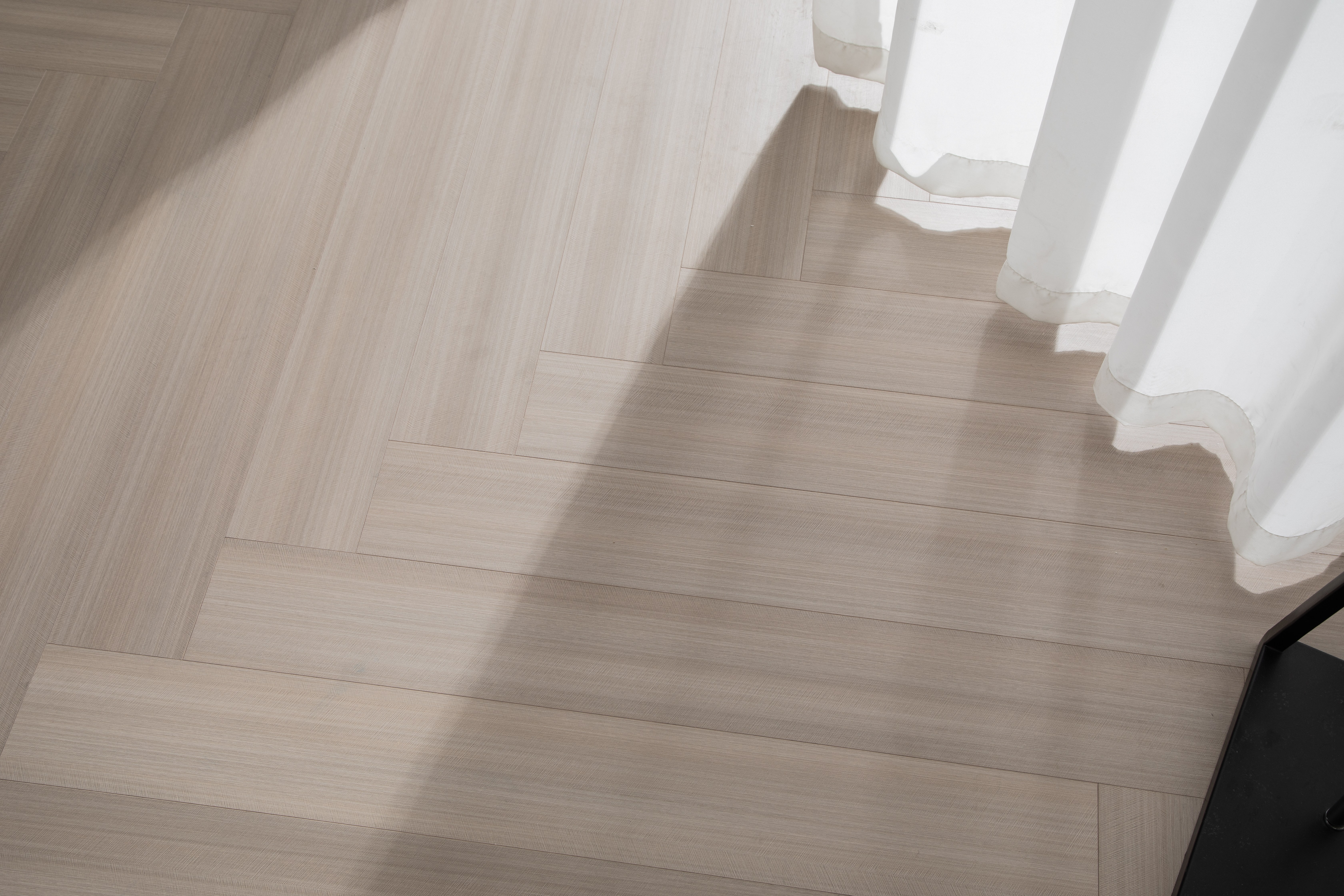
An illustrative 4 m² powder room used 10 mm water-resistant laminate planks in a pale stone decor. The room had no shower or bath, so moisture exposure was limited to hand-washing splashes. A vapour barrier was laid over concrete, perimeter gaps were sealed, and the basin pipe collar was fitted with a flexible seal. Packs were conditioned before laying. The household agreed prompt spill wiping and dry mopping rather than wet washing. One spare pack was stored. The brief focused on dry-zone suitability, edge sealing and simple maintenance, with performance checked against current data.

Vanity Zone with Tiled Shower

An illustrative 6 m² bathroom vanity zone used 12 mm water-resistant laminate planks, while the adjacent shower remained tiled. The laminate stopped at a threshold strip, and pipe collars were sealed. A moisture-resistant underlay was combined with a vapour barrier over the concrete subfloor. The installer checked flatness and conditioned packs before laying. The owner agreed a dry-mop routine and prompt wiping around the basin. One spare pack was retained. The brief addressed humidity, edge sealing and maintenance planning, with suitability confirmed against the selected grade and current installation guidance.

Ensuite Dressing Area with Dry Separation

An illustrative 9 m² ensuite dressing area used 10 mm water-resistant laminate planks outside the shower enclosure. A tiled threshold and sealed door strip separated the dry area from the wet zone. The installer checked subfloor moisture, laid a vapour barrier and conditioned packs before fitting. The owner agreed dry mopping, prompt spill removal and a monthly edge inspection. Two spare planks were stored for repairs. The brief prioritised dry-zone separation, edge protection and maintenance planning, with performance confirmed against the selected grade and current guidance rather than treated as waterproof.

Related products

Bathroom laminate flooring requires a cautious approach because bathrooms combine humidity, splashes and occasional wet floors. Standard laminate is not a wet-room material. Water-resistant versions use a moisture-resistant core, treated edges or sealed joints, but they remain a dry-zone option. Andiwilson supports projects by reviewing room layout, shower separation, subfloor moisture, underlay, vapour barrier and edge sealing before order. Illustrative specifications may use 10 mm planks in a 4 m² powder room and 12 mm planks in a 6 m² vanity zone, with the shower tiled and a threshold strip between areas. Installation typically requires flatness and moisture checks, acclimatisation, sealed perimeter gaps and sealed pipe collars. Prompt spill removal, dry mopping and ventilation help manage humidity. Planks can be labelled by room and spare packs retained for repairs. Andiwilson provides care notes covering neutral-detergent damp wiping and edge inspection. Performance depends on the selected grade, installation detail and maintenance, so project teams should confirm current technical data and guidance before ordering. This practical approach helps designers specify a moisture-aware floor without overstating water resistance.
Frequently Asked Questions

Can laminate flooring be used in a bathroom?

It may suit bathroom dry zones such as powder rooms and vanity areas when the product has a moisture-resistant core and sealed joints. Shower and wet zones need separate flooring. Andiwilson advises checking layout, subfloor moisture and current technical data before specification.
No. Water-resistant laminate usually uses a moisture-resistant core or sealed joints to limit swelling from occasional spills. It is not intended for standing water or continuous wetting. Andiwilson advises prompt spill removal, dry mopping and confirmation of current technical data before use in bathroom dry zones.
Perimeter gaps and pipe collars should be sealed with suitable flexible sealant, and threshold strips can separate dry zones from wet areas. Andiwilson advises agreeing sealing details and current guidance before installation. Edges should be inspected periodically, because damaged seals can allow moisture ingress.
A vapour barrier or moisture-resistant underlay may suit some bathroom dry zones, depending on subfloor and product guidance. Flatness and moisture should be checked first. Andiwilson advises matching underlay to the plank system and confirming current installation recommendations before ordering. Acoustic underlay may be used where noise matters, if guidance permits.
Routine care usually involves dry mopping and occasional damp wiping with a neutral cleaner. Avoid wet mopping, steam cleaners and prolonged wet contact unless product guidance permits them. Prompt spill removal and ventilation help manage humidity. Andiwilson provides care notes, but cleaning products should be checked against the selected grade.

Related article

Quartz Fiber Board for Medical and Commercial Buildings: A New Generation of A-Class Fireproof Decorative Wall Panels

30

Jul

Quartz Fiber Board for Medical and Commercial Buildings: A New Generation of A-Class Fireproof Decorative Wall Panels

View More
Prefabricated Modular Walls Take Another Leap Forward! Integrated Invisible Door Solutions Redefine the Boundaries of Spatial Aesthetics and Practicality

26

Jul

Prefabricated Modular Walls Take Another Leap Forward! Integrated Invisible Door Solutions Redefine the Boundaries of Spatial Aesthetics and Practicality

View More
Why Do Architects Prefer Custom Textured Wall Panels for Museum and Gallery Spaces?

23

Sep

Why Do Architects Prefer Custom Textured Wall Panels for Museum and Gallery Spaces?

The Acoustic Problem That Decorative Finishes Alone Cannot Solve Walk into a gallery with hard floors, high ceilings, and bare drywall, and the space tells you something immediately. Footsteps carry. Conversations from three rooms away bleed throug...
View More
How Do Exterior Wall Laminated Panels Help Reduce Carbon Footprint in Construction?

12

Oct

How Do Exterior Wall Laminated Panels Help Reduce Carbon Footprint in Construction?

The Carbon Argument Starts With How Little Aluminium Goes Into the Panel A laminated exterior panel is not a thin coat of paint over a solid metal sheet. It is a sandwich. Two thin aluminium skins sit on either side of a core that does most of the di...
View More

Illustrative Bathroom Flooring Specification Notes

Rachel Moore

An illustrative specification note for a 4 m² powder room described 10 mm water-resistant planks with a vapour barrier and sealed perimeter gaps. The room had no shower, so exposure was limited to basin splashes. The household agreed dry mopping and prompt spill wiping. One spare pack was stored. The note focused on dry-zone suitability, edge sealing and simple maintenance, with performance checked against current technical data rather than treated as waterproof.

Owen Clarke

An illustrative specification note for a 6 m² vanity zone described 12 mm water-resistant planks with sealed pipe collars and a threshold strip at the tiled shower. A vapour barrier and moisture-resistant underlay were combined over concrete. The owner agreed a dry-mop routine and prompt wiping around the basin. One spare pack was retained. The note addressed humidity, edge sealing and maintenance planning, with suitability confirmed against the selected grade and current installation guidance.

Get a Free Quote

Our representative will contact you soon.
Email
Mobile/WhatsApp
Name
Company Name
Message
0/1000
Dry-Zone Separation from Wet Areas

Dry-Zone Separation from Wet Areas

The safest approach is to separate bathroom laminate from wet areas. Andiwilson discusses threshold strips, tiled shower zones and sealed door strips before specification. In an illustrative ensuite dressing area, 10 mm planks stopped outside the shower enclosure, with a tiled threshold between. Sealing details and subfloor moisture were checked before laying. This separation helps limit moisture exposure but does not make laminate suitable for shower floors. Layout and current technical data should be confirmed before ordering.
Sealing Pipe Collars and Perimeter Gaps

Sealing Pipe Collars and Perimeter Gaps

Sealing details matter in bathroom dry zones. Andiwilson discusses flexible sealant around pipe collars, sealed perimeter gaps and threshold strips at doorways. In an illustrative powder room, the basin pipe collar was fitted with a flexible seal and perimeter gaps were sealed before skirting. These steps help limit moisture ingress from splashes, but seals need periodic inspection. Damaged sealant should be repaired promptly. Current guidance and suitable sealant types should be confirmed before installation.
Ventilation and Prompt Spill Removal

Ventilation and Prompt Spill Removal

Bathroom humidity and splashes are managed through ventilation and prompt spill removal. Andiwilson advises dry mopping and neutral-detergent damp wiping rather than wet washing. In an illustrative 6 m² vanity zone, the owner agreed prompt wiping around the basin and a dry-mop routine. An extractor fan was used during and after showers. One spare pack was retained for repairs. These routines help protect joints and edges, but they do not make laminate waterproof. Cleaning products and current care guidance should be checked against the selected grade.
onlineONLINE