HPL Laminate Guide: Specifying for Interiors [2024]

Get a Free Quote

Our representative will contact you soon.
Email
Mobile/WhatsApp
Name
Company Name
Message
0/1000

Andiwilson HPL Laminate for Interior Surfaces and Components

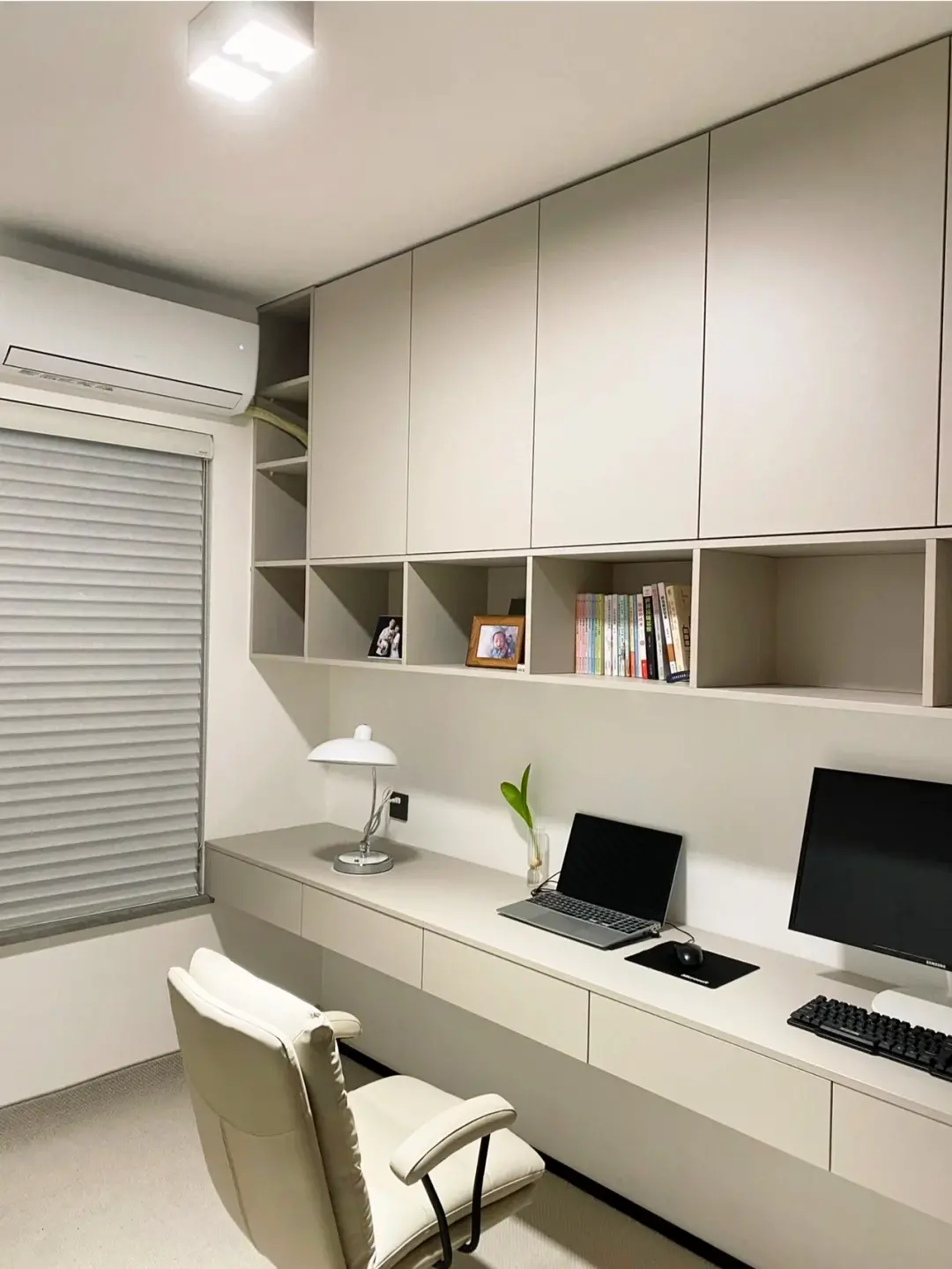
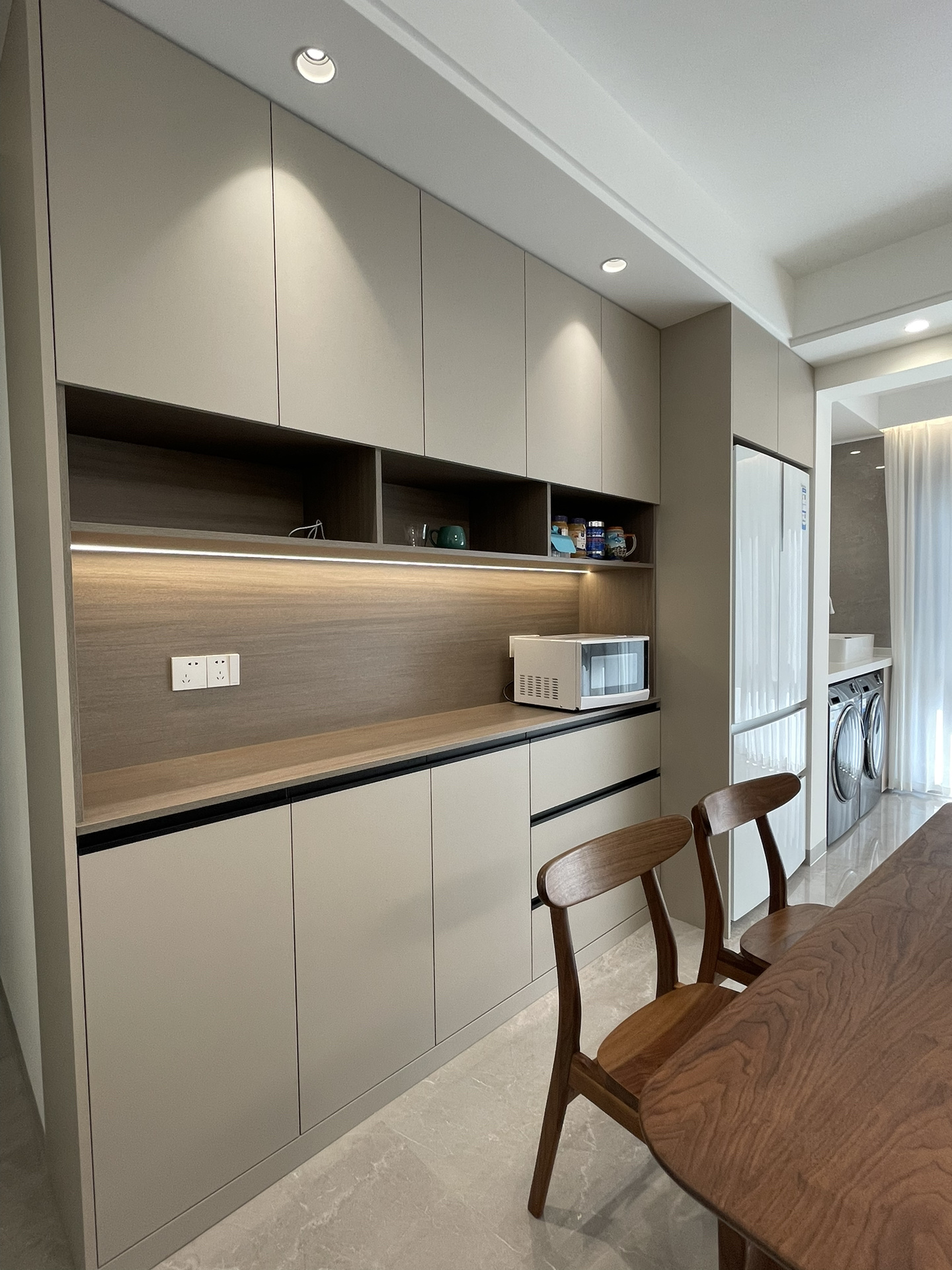
HPL laminate is a decorative surface made by pressing resin-impregnated layers under heat and pressure. It is used on furniture, wall panels, counters and doors where a cleanable face and consistent decor matter. Andiwilson reviews sheet or panel format, surface texture, substrate and edge treatment before specification. In an illustrative museum display case project, 0.8 mm HPL laminate was bonded to 18 mm MDF with matching edge banding. A corporate dining counter used 10 mm compact HPL laminate for a rigid top. Both considered cleaning and joint detail. Suitability should be confirmed against the selected grade and current data.
Get A Quote

Case Study

Museum Display Case Linings and Back Panels

An illustrative museum project used 0.8 mm HPL laminate bonded to 18 mm MDF for display case linings and back panels. The pale neutral decor was selected to reduce colour cast under gallery lighting. Edges were banded with matching ABS and sealed against dust. Panels were cut from approved drawings and labelled by case number before delivery. The conservation team asked for a dry-wipe routine and a method for reporting edge damage. Two spare panels were kept for future display changes. The brief focused on visual neutrality, cleanability and careful handling, with performance checked against the chosen grade.

Corporate Dining Counter with Compact HPL Laminate

An illustrative corporate dining area used 10 mm compact HPL laminate for a serving counter and partition. The dark grey decor was chosen to hide marks in a busy staff restaurant. Panels were cut with service openings and rounded corners, then edged and labelled by counter section. Installation took place over a weekend to avoid disrupting lunch service. Cleaning staff received neutral-detergent guidance and were asked to avoid wet pooling at joints. One spare panel was stored for future repairs. The brief addressed cleanability, edge protection and manageable replacement, with suitability confirmed against the selected grade and fixing detail.

Clinic Reception Desk Fascia in HPL Laminate

An illustrative clinic reception used 0.7 mm HPL laminate bonded to 18 mm MDF for the desk fascia and side returns. A soft green decor was chosen to feel calm while remaining easy to wipe. Sheets were pressed in the workshop, trimmed and edged with matching ABS. The contractor reviewed a master panel under waiting-area lighting before production. Staff agreed a neutral-detergent routine and a method for reporting chipped edges. Two spare fascias were retained for future changes. The brief prioritised cleanability, colour consistency and maintainable replacement, with performance assessed against the selected sheet grade and bonding method.

Related products

HPL laminate is a family of high pressure decorative surfaces rather than a single product. It can be supplied as thin sheets for bonding to MDF or particleboard, or as rigid compact and faced panels for counters, partitions and wall linings. Andiwilson supports projects by reviewing format, surface texture, substrate, edge detail and fixing method before order. A museum case may use 0.8 mm sheets on 18 mm MDF; a corporate counter may use 10 mm compact panels; a clinic fascia may use 0.7 mm sheets with matching edge band. In each case, workshop cutting, edge trimming and panel labelling are agreed in advance. Andiwilson provides care notes for neutral-detergent wiping and edge inspection. Performance depends on the selected grade, substrate and site conditions, so project teams should confirm current technical data and installation guidance before ordering. This practical approach helps designers and contractors use HPL laminate without overstating moisture or impact resistance.
Frequently Asked Questions

What is HPL laminate made of?

It is made by pressing resin-impregnated decorative papers and core layers under heat and pressure. The result is a dense, cleanable surface used on furniture, walls, counters and doors. Andiwilson advises confirming the selected grade, substrate and fixing method before specification.
No. HPL is pressed at higher pressure and usually has a denser surface than low pressure laminate. LPL is often used for furniture panels where cost and weight matter. HPL suits worktops, wall linings and compact panels. Andiwilson advises matching the material to the application rather than assuming one type suits every project.
It can suit worktops when the grade, substrate and edge sealing match the expected use. Kitchen and utility worktops need careful joint and edge detailing. Andiwilson advises checking moisture exposure, cleaning chemicals and current technical data before specification. Heat resistance should not be assumed without confirmation.
Routine cleaning with a soft cloth and neutral detergent is usually sufficient. Avoid abrasive pads, strong solvents and prolonged wet contact unless product guidance permits them. Andiwilson provides care notes for daily wiping and edge inspection, but cleaning chemicals should be checked against the selected grade.
Yes. Project teams can request samples, available thickness options and current technical information before ordering. Andiwilson encourages checking substrate, edge detail and fixing method against the application. This helps designers and contractors confirm suitability and avoid relying on general marketing claims during tender or handover.

Related article

Quartz Fiber Board for Medical and Commercial Buildings: A New Generation of A-Class Fireproof Decorative Wall Panels

30

Jul

Quartz Fiber Board for Medical and Commercial Buildings: A New Generation of A-Class Fireproof Decorative Wall Panels

View More
Why Do Architects Prefer Custom Textured Wall Panels for Museum and Gallery Spaces?

23

Sep

Why Do Architects Prefer Custom Textured Wall Panels for Museum and Gallery Spaces?

The Acoustic Problem That Decorative Finishes Alone Cannot Solve Walk into a gallery with hard floors, high ceilings, and bare drywall, and the space tells you something immediately. Footsteps carry. Conversations from three rooms away bleed throug...
View More
How to Choose the Right High Pressure Laminate Finish for Your Interior Surfaces?

19

Oct

How to Choose the Right High Pressure Laminate Finish for Your Interior Surfaces?

Start With the Wear Layer, Not the Color Card High pressure laminate finish selection often begins with a color card and a visual preference. That sequence is backward. The finish on an HPL surface is a performance layer before it is a decorative lay...
View More
A Complete Guide to Choosing the Right Exterior Wall Laminated Panels for Your Next Project.

23

Oct

A Complete Guide to Choosing the Right Exterior Wall Laminated Panels for Your Next Project.

Fire Classification Comes Before Aesthetics Specifying exterior wall laminated panels for a new project usually begins with a finish sample, a color, and a profile. That order is risky. A facade panel on a commercial building is part of a life safety...
View More

Illustrative HPL Laminate Planning Notes

Nina Brooks

An illustrative museum project note described 0.8 mm HPL laminate bonded to 18 mm MDF for display case linings. The pale neutral decor was chosen to reduce colour cast under gallery lighting. Edges were banded and sealed against dust, and panels were labelled by case number. The conservation team requested a dry-wipe routine and a method for reporting edge damage. Two spare panels were kept. The note focused on visual neutrality, cleanability and careful handling, with performance checked against the chosen grade.

James Patel

An illustrative corporate dining note described 10 mm compact HPL laminate for a serving counter and partition. The dark grey decor was chosen to hide marks in a busy staff restaurant. Panels were cut with service openings and rounded corners, then labelled by counter section. Installation took place over a weekend. Cleaning staff received neutral-detergent guidance and were asked to avoid wet pooling at joints. One spare panel was stored. The note addressed cleanability, edge protection and manageable replacement, with suitability confirmed against the selected grade and fixing detail.

Get a Free Quote

Our representative will contact you soon.
Email
Mobile/WhatsApp
Name
Company Name
Message
0/1000
Surface Texture and Decor Selection

Surface Texture and Decor Selection

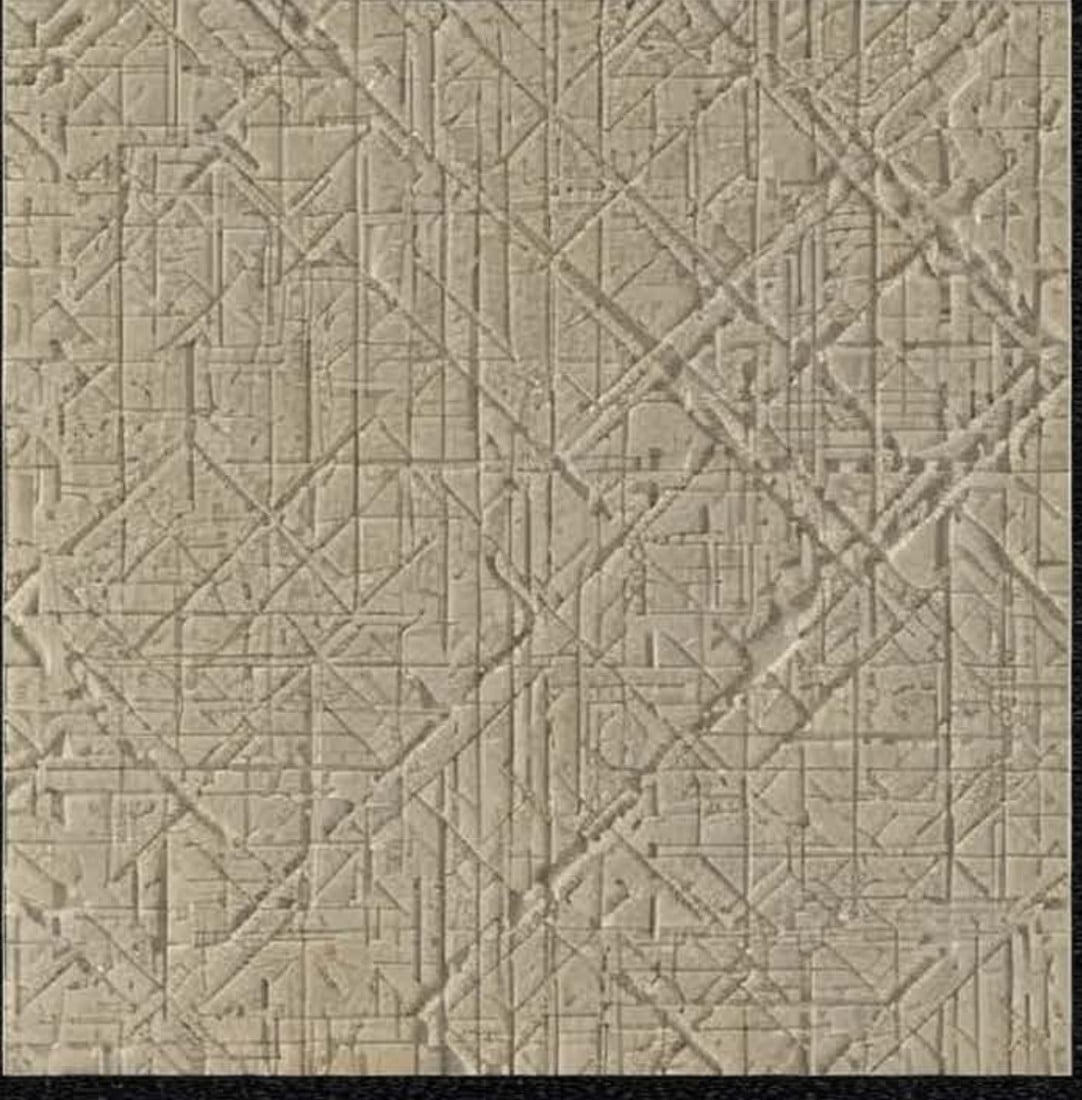
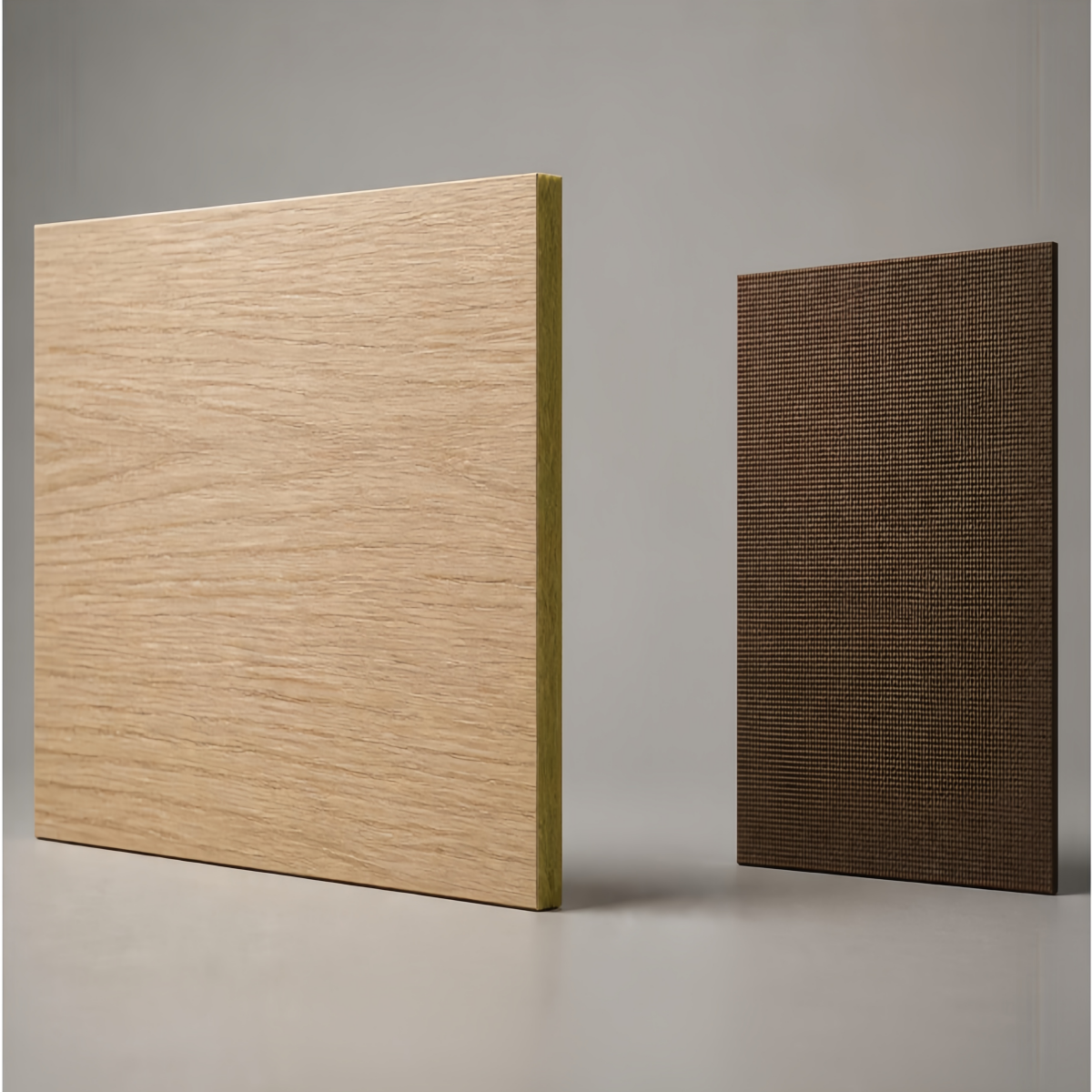
HPL laminate is available in a range of surface textures, from smooth matte to subtle embossed grain. Texture affects appearance, cleaning and how marks show under lighting. Andiwilson encourages comparing physical samples under the actual room lighting before approval. In an illustrative museum case project, a pale neutral matte sheet was chosen to reduce colour cast. In a corporate counter, a darker surface helped hide minor marks. The aim is an informed decor choice, not a universal recommendation. Current samples and technical data should be confirmed during specification.
Sheet Bonding and Panel Fabrication

Sheet Bonding and Panel Fabrication

HPL laminate can be supplied as thin sheets for bonding or as rigid panels for direct fixing. The choice affects fabrication, edge detail and site work. Andiwilson discusses adhesive systems, press or roller application, trimming and edge banding before production. In an illustrative clinic reception, 0.7 mm sheets were pressed onto 18 mm MDF and edged with matching ABS. In a corporate counter, 10 mm compact panels were cut and edged in the workshop. The aim is a component matched to the fixing method, with current bonding and tooling guidance confirmed before ordering.
Cleaning and Edge Protection

Cleaning and Edge Protection

HPL laminate surfaces are usually cleaned with a soft cloth and neutral detergent. Abrasive pads and strong solvents should be avoided unless product guidance permits them. Edges need particular attention, because chips can affect appearance and moisture ingress. Andiwilson provides care notes for daily wiping and edge inspection. In an illustrative museum project, a dry-wipe routine and an edge-reporting method were agreed. In a clinic reception, two spare fascias were kept for future repairs. Cleaning chemicals and frequency should be checked against the selected grade.
onlineONLINE