High Quality Laminate Flooring for Commercial Interiors [B2B]

Get a Free Quote

Our representative will contact you soon.
Email
Mobile/WhatsApp
Name
Company Name
Message
0/1000

Andiwilson High Quality Laminate Flooring for Demanding Interiors

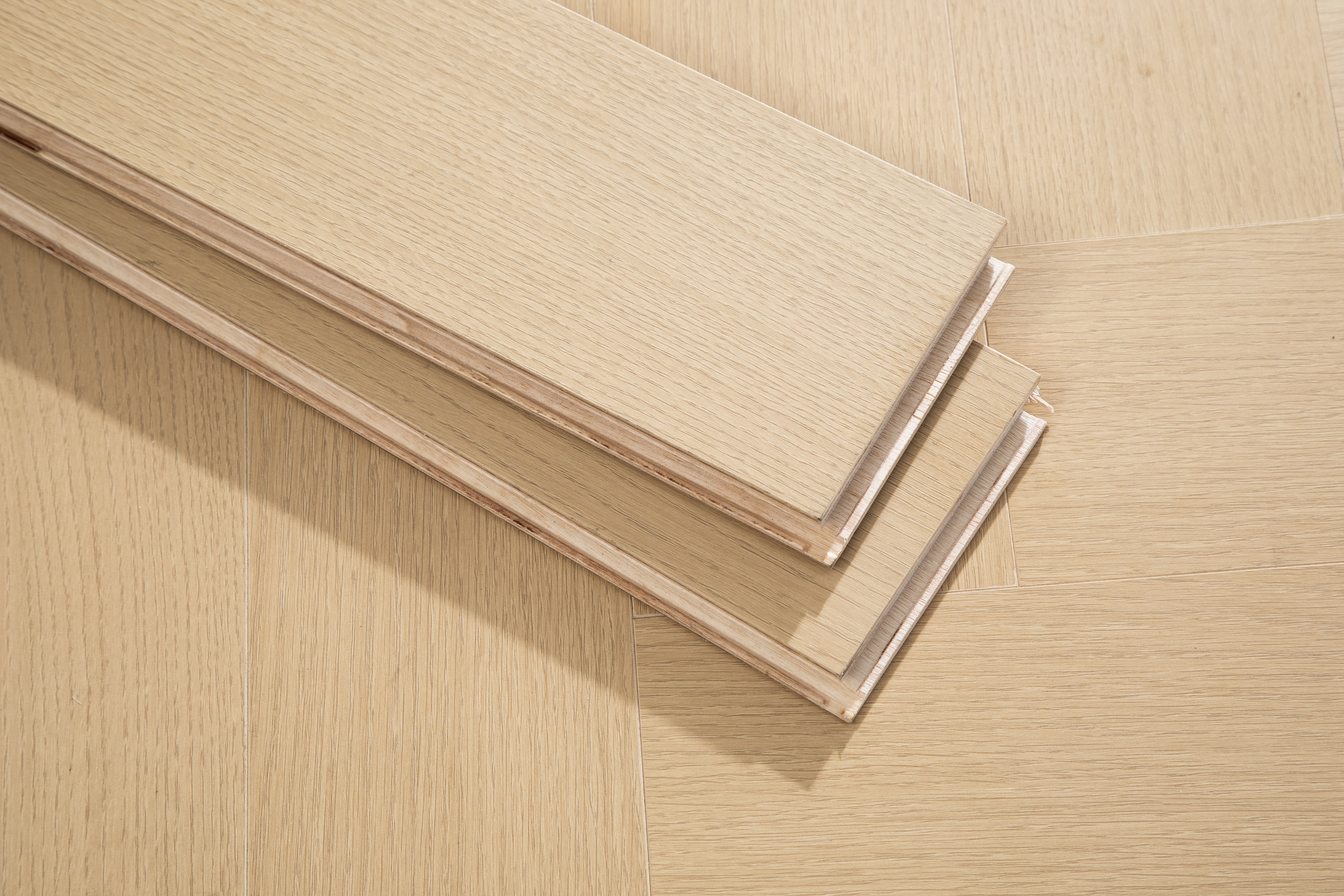
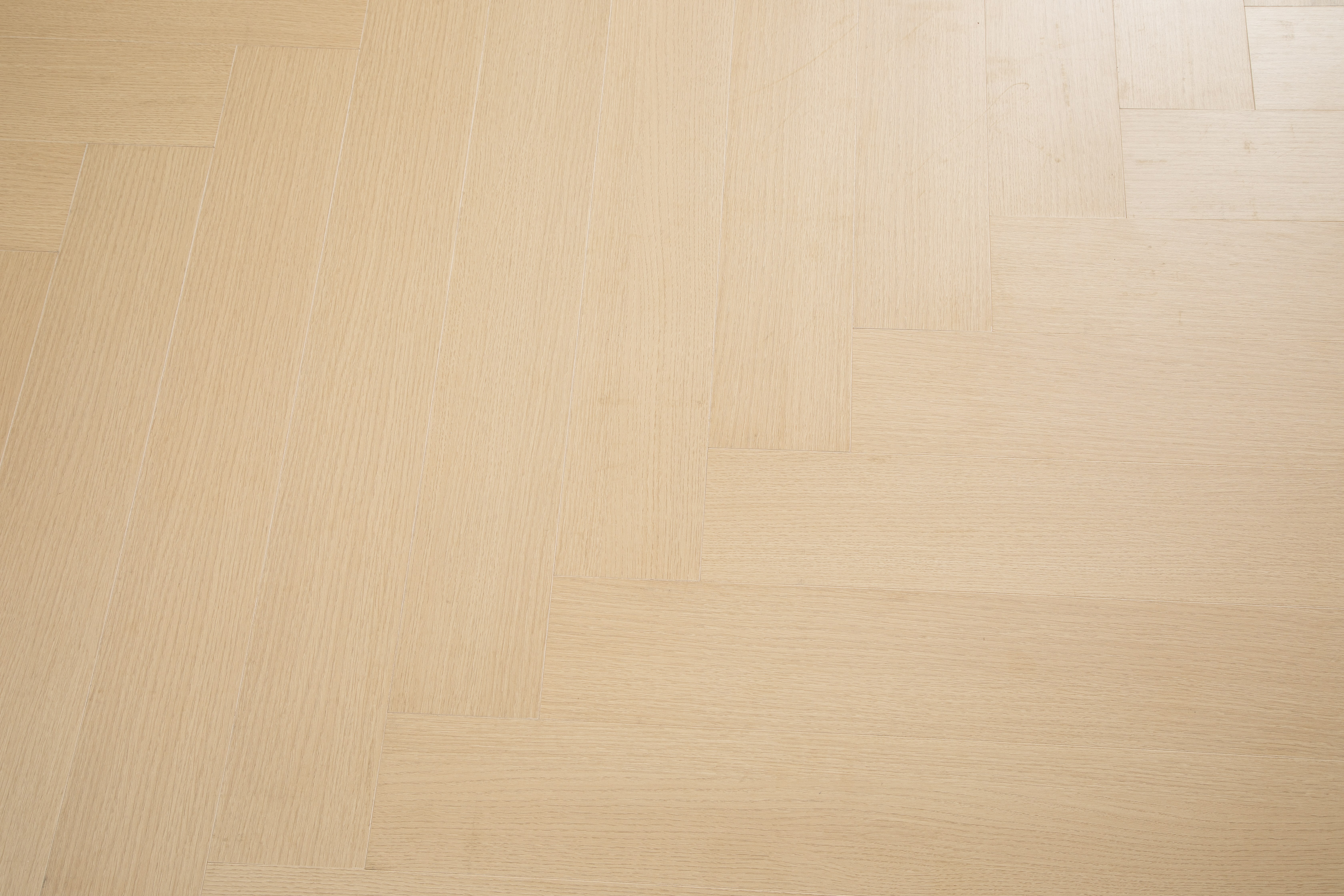
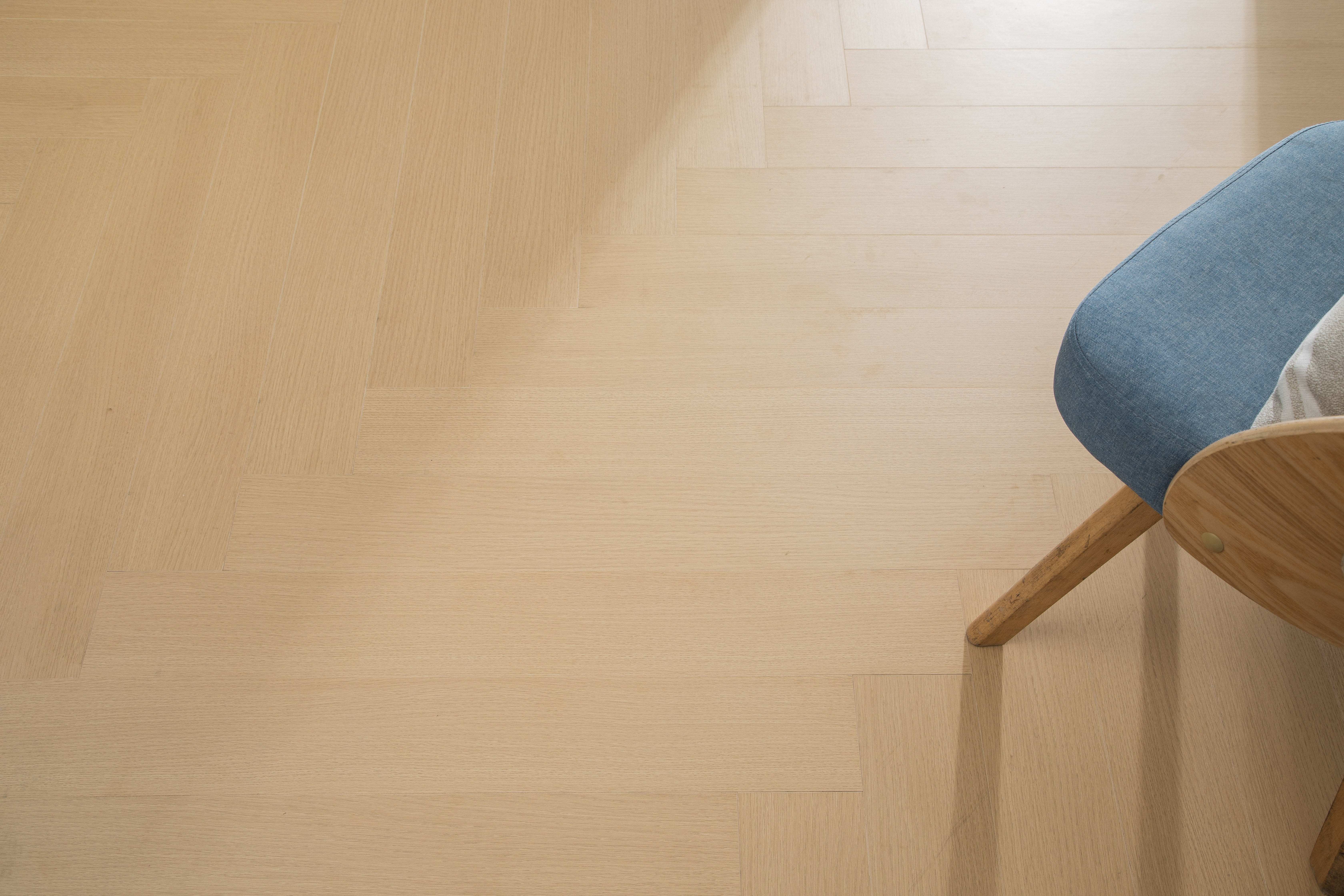
Quality in laminate flooring comes from the wear layer, core density, joint profile, dimensional stability and batch consistency, not from a single label. Andiwilson reviews these points with each project before order. An illustrative build-to-rent corridor used 12 mm planks with a commercial-grade wear layer; a bookstore used 10 mm planks with a matte surface. Both checked subfloor flatness, conditioning and expansion gaps. Care notes cover dry cleaning, felt pads and prompt spill removal. Suitability should be confirmed against current technical data.
Get A Quote

Case Study

Build-to-Rent Corridor and Sample Apartment

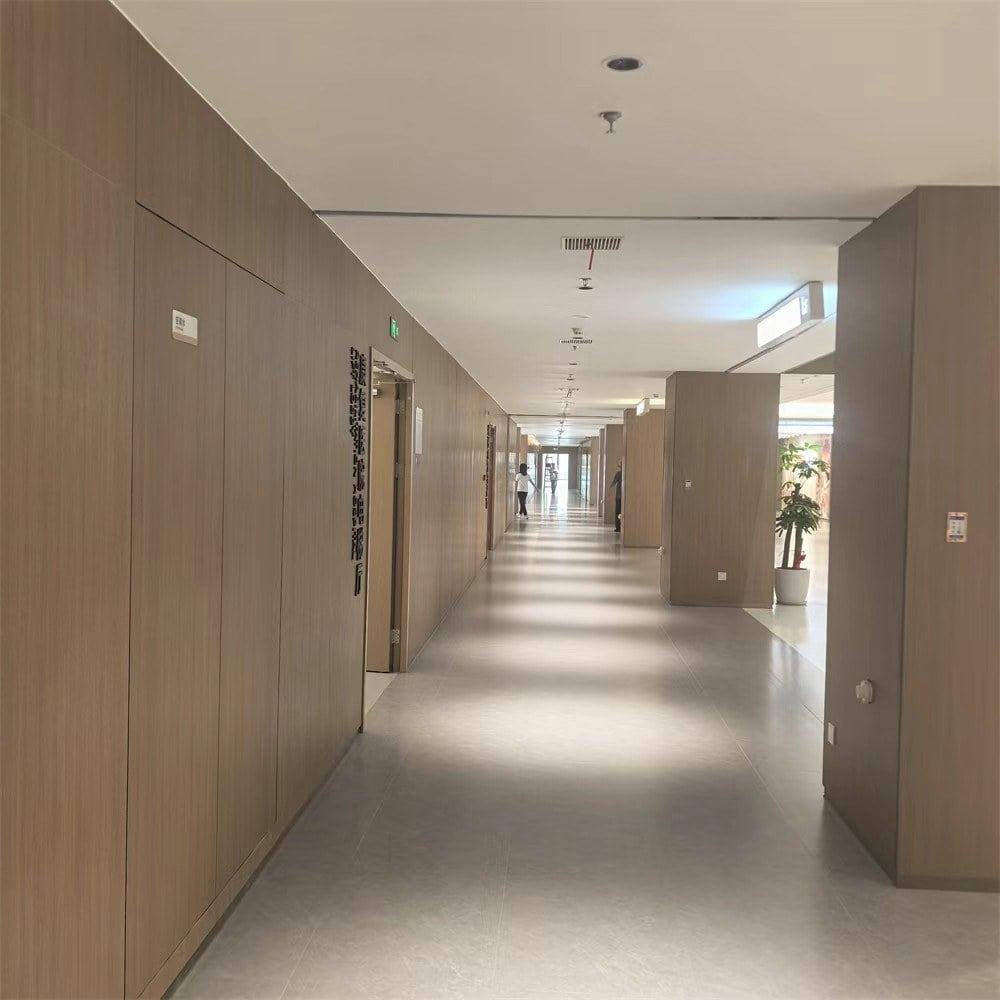
An illustrative build-to-rent project considered 12 mm laminate planks with a commercial-grade wear layer for a public corridor and two sample apartments. The corridor required tight joint alignment around lift lobbies and a matte surface to reduce glare. Planks were conditioned on site, and packs were labelled by floor to support phased handover. The facilities team agreed a dry-mop routine and retained two spare packs for repairs. The brief focused on joint stability, edge protection and maintainable appearance, with suitability checked against current technical data.

Independent Bookstore with High Footfall

An illustrative independent bookstore used 10 mm laminate planks in a warm oak decor across a 70 m² sales floor. The matte surface was chosen to reduce glare from display lighting, and entrance matting was specified to limit tracked grit. The contractor checked subfloor flatness and conditioned packs before laying. Staff agreed a daily dry-mop routine and prompt spill wiping. Edge trims were fitted at fixed shelving, and one spare pack was kept for repairs. The brief balanced appearance, cleanability and joint stability, with wear expectations confirmed against the selected grade.

Co-Working Floor with Acoustic Underlay

An illustrative co-working floor used 12 mm laminate planks with acoustic underlay across meeting rooms and a shared lounge. The specification prioritised footfall comfort and joint stability under rolling chairs. Planks were conditioned and laid over a levelled subfloor, with expansion gaps detailed at thresholds. The operator agreed felt pads for furniture and a dry-cleaning routine. Packs were labelled by zone to support evening installation. Two spare packs were retained for future repairs. The brief addressed acoustic comfort, appearance and maintenance, with suitability confirmed against the chosen grade and underlay.

Related products

High quality laminate flooring is defined by measurable construction details rather than a single promotional label. The wear layer, core density, joint profile, dimensional stability and batch consistency all affect how a floor performs under footfall, furniture and cleaning. Andiwilson supports projects by reviewing these details alongside subfloor condition, underlay and maintenance routine. A build-to-rent corridor may need 12 mm planks with a commercial-grade wear layer and tight joint alignment around lift lobbies; a bookstore may prioritise a matte surface and entrance matting; a co-working floor may combine 12 mm planks with acoustic underlay for footfall comfort. Conditioning, flatness checks and expansion gaps are agreed before installation. Plank labels and batch references help installers spread variation and support future repairs. Andiwilson provides care notes covering dry mopping, felt pads and prompt spill removal. Performance depends on the selected grade and site conditions, so project teams should confirm current technical data and installation guidance before ordering. This practical approach helps designers and contractors specify a durable-looking floor without overstating moisture or wear resistance.
Frequently Asked Questions

What determines laminate flooring quality?

Wear layer, core density, joint design, dimensional stability and batch consistency are key. Thicker planks are not automatically better; suitability depends on the application. Andiwilson advises comparing current technical data, samples and installation guidance rather than relying on a single quality label.
Not necessarily. Thickness affects stability, acoustic feel and underlay choice, but wear layer, core quality and joint design also matter. A well-made 8 mm plank may suit a bedroom, while 12 mm may suit busier areas. Andiwilson advises matching the build-up to the room and current data.
Busy areas may need a commercial-grade wear layer, but the right choice depends on footfall, cleaning routine and furniture use. Entrance matting and felt pads also help. Andiwilson advises reviewing current wear-layer data and samples rather than assuming one grade suits every commercial space.
Ask for a sample and inspect the click profile for tight fit and clean edges. A dry-lay of two or three planks can show joint alignment and how easily they lock. Andiwilson advises checking current installation guidance and retaining a spare pack for future repairs.
Routine care usually involves dry mopping and occasional damp wiping with a neutral cleaner. Avoid wet mopping, steam cleaners and abrasive pads unless product guidance permits them. Felt pads and entrance matting help reduce marks. Andiwilson provides care notes for daily maintenance and spill removal.

Related article

Quartz Fiber Board for Medical and Commercial Buildings: A New Generation of A-Class Fireproof Decorative Wall Panels

30

Jul

Quartz Fiber Board for Medical and Commercial Buildings: A New Generation of A-Class Fireproof Decorative Wall Panels

View More
Why Do Architects Prefer Custom Textured Wall Panels for Museum and Gallery Spaces?

23

Sep

Why Do Architects Prefer Custom Textured Wall Panels for Museum and Gallery Spaces?

The Acoustic Problem That Decorative Finishes Alone Cannot Solve Walk into a gallery with hard floors, high ceilings, and bare drywall, and the space tells you something immediately. Footsteps carry. Conversations from three rooms away bleed throug...
View More
Why Should Designers Use Custom Textured Wall Panels for Feature Walls?

07

Oct

Why Should Designers Use Custom Textured Wall Panels for Feature Walls?

A Feature Wall Is a Working Surface, Not a Backdrop Designers often choose a feature wall from a rendering first. A bold texture or metallic finish looks convincing in perspective, then the built wall reveals problems the image never showed: glare fr...
View More
How Do Exterior Wall Laminated Panels Help Reduce Carbon Footprint in Construction?

12

Oct

How Do Exterior Wall Laminated Panels Help Reduce Carbon Footprint in Construction?

The Carbon Argument Starts With How Little Aluminium Goes Into the Panel A laminated exterior panel is not a thin coat of paint over a solid metal sheet. It is a sandwich. Two thin aluminium skins sit on either side of a core that does most of the di...
View More

Illustrative Quality-Focused Flooring Notes

Rachel Green

An illustrative build-to-rent note described 12 mm planks with a commercial-grade wear layer for a public corridor and two sample apartments. Tight joint alignment around lift lobbies and a matte surface helped manage glare. Packs were conditioned and labelled by floor for phased handover. The facilities team agreed a dry-mop routine and retained two spare packs. The note focused on joint stability, edge protection and maintainable appearance, with suitability checked against current technical data.

Owen Hughes

An illustrative bookstore note described 10 mm planks in a warm oak decor across a 70 m² sales floor. The matte surface reduced glare from display lighting, and entrance matting limited tracked grit. Packs were conditioned and subfloor flatness was checked before laying. Staff agreed a daily dry-mop routine and prompt spill wiping. Edge trims were fitted at fixed shelving, and one spare pack was kept. The note balanced appearance, cleanability and joint stability, with wear expectations confirmed against the selected grade.

Get a Free Quote

Our representative will contact you soon.
Email
Mobile/WhatsApp
Name
Company Name
Message
0/1000
Wear Layer and Core Density Checks

Wear Layer and Core Density Checks

Wear layer and core density affect how a laminate floor resists footfall, furniture and cleaning. Andiwilson reviews current data and samples before specification. In an illustrative build-to-rent corridor, 12 mm planks with a commercial-grade wear layer were selected for a public route. Core density and joint profile were checked alongside subfloor flatness. The aim is a build-up matched to the application, not a universal recommendation. Current technical data should be confirmed before ordering.
Joint Profile and Batch Consistency

Joint Profile and Batch Consistency

Click joints and batch consistency affect installation speed and appearance. Andiwilson discusses joint profile, plank labelling and mixing packs so installers can spread variation. In an illustrative co-working project, packs were labelled by zone and laid over acoustic underlay. Tight joints and clean edges supported a neat finish under rolling chairs. The approach is practical coordination, not a promise of identical future batches. Current availability and approved samples should be confirmed.
Packaging and Edge Protection

Packaging and Edge Protection

Packaging protects edges during transport and storage. Andiwilson discusses protective corners, flat stacking and labelling by room or zone. In an illustrative bookstore project, packs were conditioned and one spare pack was retained for repairs. Edge trims at fixed shelving helped protect exposed plank ends. Good packaging and handling reduce marks before installation. Clear labels also support future replacement planning. Packing details should be confirmed against the programme and current lead times.
onlineONLINE