Non Combustible Boards for Fire-Safe Wall Assemblies

Get a Free Quote

Our representative will contact you soon.
Email
Mobile/WhatsApp
Name
Company Name
Message
0/1000

Non Combustible Boards for Fire-Safe Wall and Ceiling Assemblies

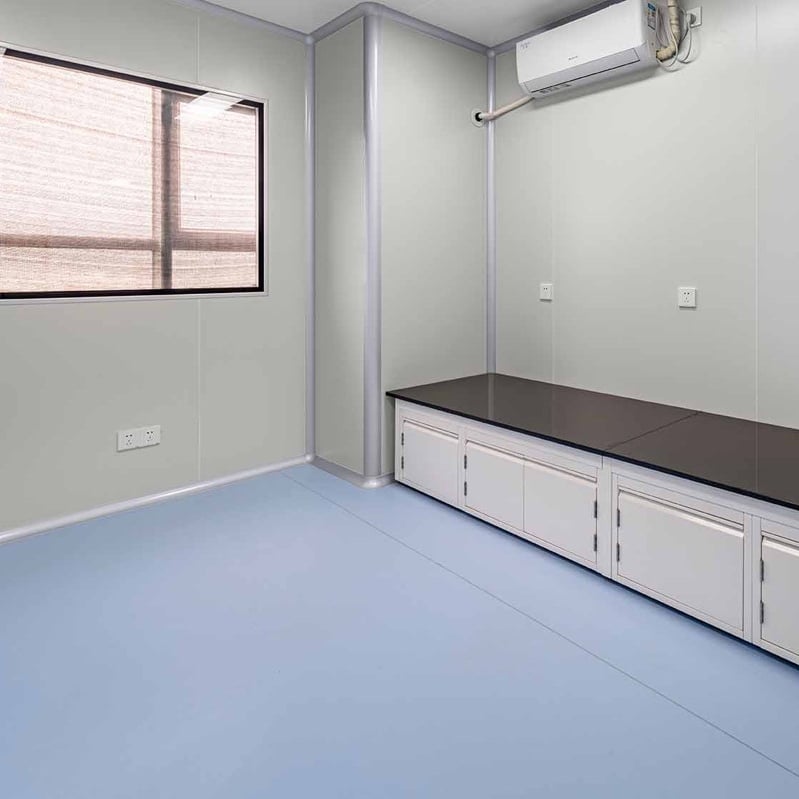
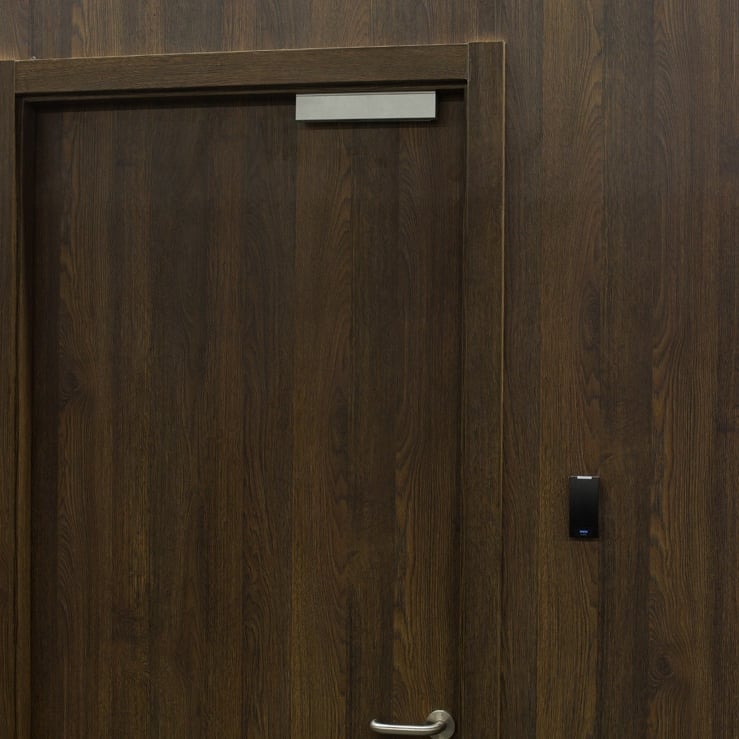
Andiwilson non combustible boards are specified for plant rooms, service shafts, commercial kitchen linings, and protected corridor walls where limiting combustible material supports fire safety planning. Options can include mineral wool core boards, calcium silicate boards, and cement-based boards, subject to project confirmation. Buyers should review test reports, board thickness, fixing methods, joint treatment, and local building codes before approval. Sample boards under project lighting help compare surface and edge detail. This measured process supports a considered board specification without universal fire rating claims, since performance depends on the tested assembly, installation quality, and authority approval.
Get A Quote

Case Study

Plant Room Wall Lining Review

A representative plant room project evaluated Andiwilson non combustible boards for wall linings around service equipment. The design team reviewed test documentation, board thickness, fixing details, and joint treatment with the contractor. Board samples were checked under utility lighting against pipework and floor finishes. Labeled boards helped the installer cut by zone and reduce waste. The facilities team received care guidance for cleaning and joint inspection. No universal fire rating was claimed; outcomes depended on the tested assembly and authority approval. Inspection points supported long-term planning in a restricted-access plant area.

Service Shaft Board Specification

In a representative multi-storey building, non combustible boards were considered for service shaft linings. The project team confirmed test reports, substrate preparation, and joint detailing before ordering. Samples were compared with access panels and floor finishes under shaft lighting. The installer coordinated work by floor to maintain building services. Packing labels and layout drawings helped reduce cutting errors. The boards supported limited combustibility as part of the approved assembly, while separate fire-stopping details addressed penetrations. Care instructions covered cleaning and joint checks. The team documented approvals before order release without claiming a fixed fire rating beyond the tested system.

Commercial Kitchen Ceiling Board Evaluation

A representative commercial kitchen project considered Andiwilson non combustible boards for ceiling linings above cooking zones. The team reviewed test reports, board thickness, and fixing methods before approval. Board samples were compared with extraction hoods and wall finishes under kitchen lighting. The installer confirmed fixing spacing and joint treatment. Labeled materials simplified zoning and reduced waste. The boards supported fire performance as part of the tested assembly, while separate ventilation supported kitchen operations. The operator received care guidance and a maintenance reference. No fixed lifespan was claimed; inspection points and local codes guided long-term planning. Approval records were kept for boards and accessories.

Related products

Andiwilson non combustible boards are a building board option intended for plant rooms, service shafts, commercial kitchen linings, and protected corridor walls where limiting combustible material supports fire safety planning. Specifications can include mineral wool core boards, calcium silicate boards, and cement-based boards, subject to project confirmation. Because fire performance depends on the complete tested assembly, buyers should review test reports, board thickness, fixing methods, joint treatment, and local building codes before order release. For export projects, Andiwilson can coordinate board samples, dimension drawings, packing details, and care guidance so designers and contractors can compare expectations. Non combustible boards should be installed as part of an approved assembly; the board alone does not guarantee a fire rating. Project teams should confirm maintenance routines, cleaning agent compatibility, and accessory needs. In many commercial fit-outs, staged sample approval and labeled packing help reduce site adjustments, although outcomes depend on substrate conditions and installation quality. This practical approach supports a fire-safe board specification while avoiding unverified performance promises. Sample approval and labeled packing are recommended before shipment. Clear records help align buyers, contractors, and facilities teams during handover.

Frequently Asked Questions

What does non combustible mean for boards?

It generally refers to boards tested to relevant fire standards and classified as non-combustible or limited combustibility. Performance depends on board composition, joint treatment, fixing, and the complete assembly. Buyers should request test reports for the assembly and confirm local code requirements with the authority having jurisdiction before order release.
Ask for board samples and compare surface, thickness, and edge detail under project lighting. Confirm fixing requirements and joint treatment methods. Review fire test documentation for the complete assembly. Avoid judging from photos alone because screens and lighting vary. Sample approval records help align buyers and installers before production begins.
They can be considered for service shafts when specified as part of an approved fire-rated assembly. Local building codes, penetration sealing, and access panel details should be confirmed. Buyers should review test reports, joint details, and installation methods. No universal suitability claim is made; project-specific approval is recommended before order release.
Follow the supplier’s care guidance for cleaning agents and frequency. Avoid abrasive pads and harsh chemicals that may damage the board surface. Inspect joints and fixings periodically and repair damage promptly. For high-use areas, plan maintenance intervals with facilities staff. Keep a spare-parts and accessories reference for future repairs and replacements.
Confirm board type, thickness, joint accessories, packing method, and labeling against the approved sample and drawings. Request inspection points and care guidance. Clear approval records help align buyers, contractors, and facilities teams. Final acceptance should follow the agreed specification and any required local certification or fire standard.

Related article

What Are the Key Benefits of Using Exterior Wall Laminated Panels in High-Rise Buildings?

25

Sep

What Are the Key Benefits of Using Exterior Wall Laminated Panels in High-Rise Buildings?

The Code Question Comes Before the Marketing Pitch Any conversation about exterior wall laminated panels on high-rise buildings has to start with fire, not with aesthetics or installation speed. The reason is simple. A facade on a tall building is ...
View More
How Do Exterior Wall Laminated Panels Help Reduce Carbon Footprint in Construction?

12

Oct

How Do Exterior Wall Laminated Panels Help Reduce Carbon Footprint in Construction?

The Carbon Argument Starts With How Little Aluminium Goes Into the Panel A laminated exterior panel is not a thin coat of paint over a solid metal sheet. It is a sandwich. Two thin aluminium skins sit on either side of a core that does most of the di...
View More
A Complete Guide to Choosing the Right Exterior Wall Laminated Panels for Your Next Project.

23

Oct

A Complete Guide to Choosing the Right Exterior Wall Laminated Panels for Your Next Project.

Fire Classification Comes Before Aesthetics Specifying exterior wall laminated panels for a new project usually begins with a finish sample, a color, and a profile. That order is risky. A facade panel on a commercial building is part of a life safety...
View More
Why Do Luxury Hotels Invest in Custom Artistic Lamps for Their Suites?

26

Oct

Why Do Luxury Hotels Invest in Custom Artistic Lamps for Their Suites?

A Custom Lamp Gives the Suite a Signature Guests Remember Walk into a luxury suite and the lighting is one of the first things the body registers, even before the eye names it. A standard bedside lamp with a stock shade does a job. A custom artistic ...
View More

Buyer Feedback on Andiwilson Non Combustible Boards

Rachel Morgan

Our plant room project used Andiwilson non combustible boards for wall linings around service equipment. We reviewed test documentation and joint details before ordering, and labeled boards helped the installer cut by zone. We confirmed fixing details and joint treatment with the contractor. The boards supported limited combustibility as part of the approved assembly, but we did not treat them as a standalone fire barrier. Care guidance covered cleaning and joint checks. Clear drawings and packing details made handover smoother. We would repeat the sample approval process on similar projects.

Daniel Foster

For a service shaft lining, we compared two Andiwilson non combustible board options for thickness and edge detail. The supplier provided dimension drawings and care guidance, which helped our contractor confirm fixing spacing and joint treatment. We checked test reports and coordinated work by floor before installation. The boards supported fire performance as part of the tested assembly, but we still relied on approved fire-stopping details. Sample approval and labeled packing reduced site confusion. We would request joint accessory details again for future maintenance.

Get a Free Quote

Our representative will contact you soon.
Email
Mobile/WhatsApp
Name
Company Name
Message
0/1000
Non Combustible Boards with Practical Planning

Non Combustible Boards with Practical Planning

Non combustible boards can support fire safety in plant rooms, service shafts, and kitchen linings, but planning should cover test reports, board thickness, fixing methods, joint treatment, and local codes. Andiwilson supports board sample checks, layout drawings, and labeled packing so buyers can compare expectations before order. Boards should be installed as part of an approved assembly rather than treated as a standalone solution. Confirm maintenance routines and qualified installation. This measured approach helps protect appearance and substrate without relying on exaggerated fire rating claims.
Board and Joint Coordination for Fire-Safe Assemblies

Board and Joint Coordination for Fire-Safe Assemblies

Board thickness, composition, joint treatment, and fixing details influence the final performance of non combustible boards. Andiwilson encourages buyers to approve samples under project lighting and compare them with access panels, floors, and ceiling systems. Labeled packing and care references can simplify installation and future maintenance. Because finishes may vary by production batch, approval records matter. Project teams should confirm cleaning methods and joint inspection routines early. This coordination supports a practical result while keeping expectations realistic and documented.
Export-Ready Documentation for Non Combustible Boards

Export-Ready Documentation for Non Combustible Boards

Export buyers need clear specifications before approving non combustible boards. Andiwilson can provide board samples, dimension drawings, packing details, and care guidance where available. Buyers should confirm board type, thickness, joint accessories, and labeling against approved drawings. Inspection points before shipment help reduce site surprises. Local certification and fire standards remain the buyer’s responsibility. This documentation-focused process supports smoother handover among buyers, contractors, and facilities teams without promising unverified performance or universal compliance.
onlineONLINE