HPL Panels for Interior Cladding: Durable, Fire-Rated & Custom-Fit

Get a Free Quote

Our representative will contact you soon.
Email
Mobile/WhatsApp
Name
Company Name
Message
0/1000

Andiwilson HPL Panels for Durable Interior Components

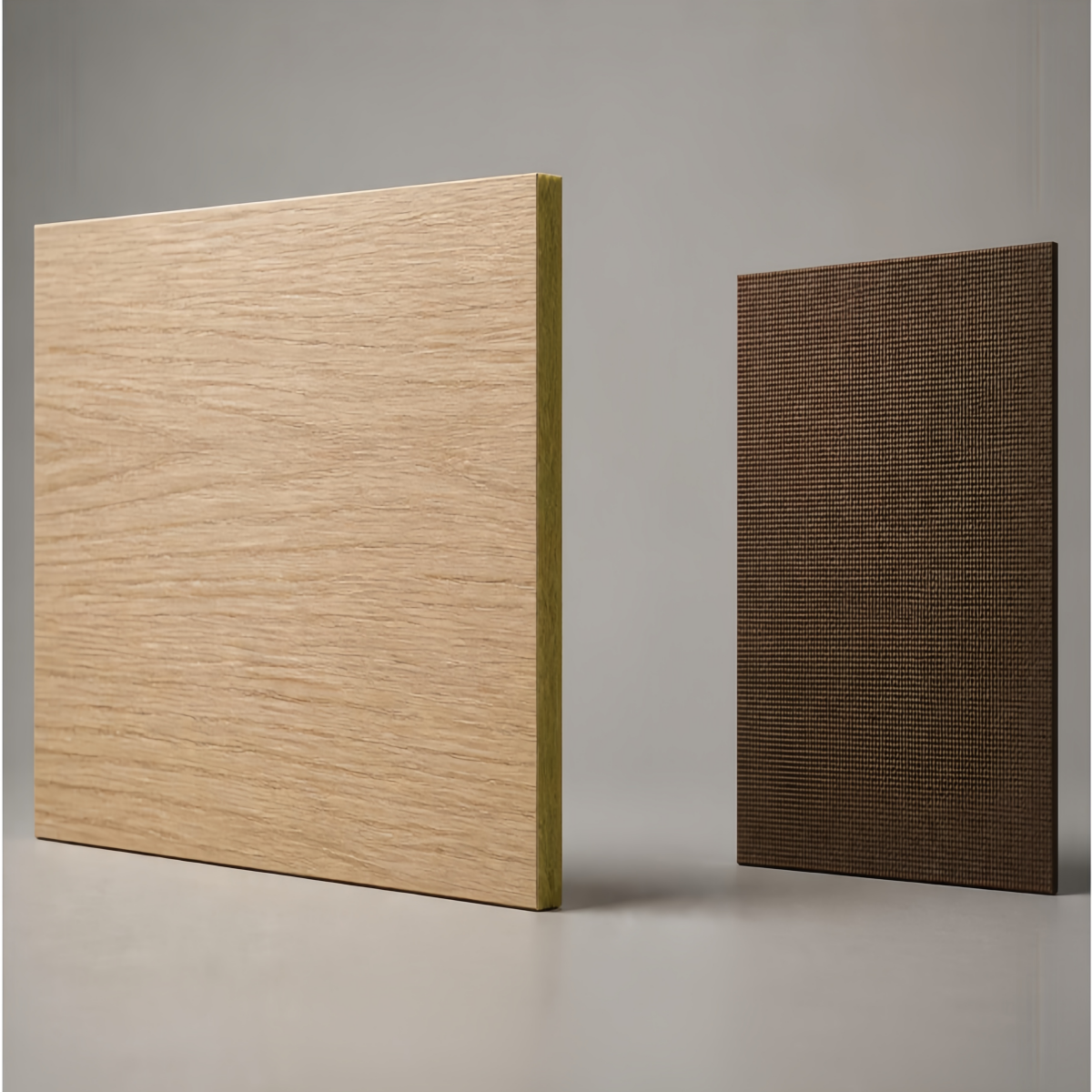
HPL panels are rigid decorative boards used for partitions, lockers, counters and wall linings where a cleanable face and exposed edges matter. Andiwilson reviews core type, thickness, edge profile and fixing method before production. An illustrative university library used 10 mm compact panels for study dividers; a gym changing area used 12 mm panels for locker fronts. Both briefs checked cut-out accuracy, joint alignment and cleaning routine. Panels can be labelled by zone for staged delivery. Suitability depends on the selected build-up and documented care.
Get A Quote

Case Study

University Library Study Dividers

An illustrative university library project used 10 mm compact HPL panels for study dividers across two reading floors. Panels were cut with cable slots and shelf brackets from approved drawings, then edged and labelled by floor zone. Installation took place during a vacation window to avoid disrupting students. Library staff agreed a dry-wipe routine and were asked to report chipped edges. Two spare panels were retained for future layout changes. The brief focused on cleanability, joint alignment and service access, with performance checked against the chosen panel grade.

Gym Changing Area Locker Fronts

An illustrative gym refurbishment specified 12 mm HPL panels for locker fronts in a changing area. Panels were cut with ventilation slots and number plates, then edged and packed by bank. Installation was phased over three nights to keep the gym open. Cleaning staff received guidance on neutral detergent and avoiding wet pooling at joints. Aluminium trims protected exposed corners. One spare panel was kept for repairs. The brief addressed moisture exposure, edge protection and replacement planning, with suitability confirmed against the selected grade and fixing detail.

Bakery Display Counter Fascia Panels

An illustrative bakery refit used 10 mm HPL panels for display counter fascias and low partitions. A warm white decor was selected to complement timber shelving. Panels were cut with service openings for power sockets and labelled by counter section before delivery. The contractor installed after closing hours over two nights. Staff agreed a daily wipe-down routine and felt pads on display trays. Two spare panels were stored for merchandising changes. The brief prioritised appearance, cleanability and manageable replacement, with wear expectations limited to the selected grade and care notes.

Related products

HPL panels are rigid decorative boards formed by pressing resin-impregnated layers around a core. They differ from thin laminate sheets because the panel provides its own strength and can be fixed with exposed edges. Andiwilson supports projects by reviewing core type, thickness, edge profile and fixing method before production. Illustrative specifications may use 10 mm compact panels for library dividers and bakery fascias, or 12 mm panels for gym locker fronts. Fabrication follows approved drawings for cable slots, ventilation openings and service cut-outs. Panels can be edged with matching laminate, ABS or aluminium trims and labelled by zone for phased installation. Packing in delivery sequence helps contractors work in occupied buildings. Andiwilson provides care notes covering neutral-detergent wiping and edge inspection. Performance depends on the selected build-up and site conditions, so project teams should confirm current technical data and installation guidance before ordering. This practical approach helps designers and contractors use HPL panels without overstating moisture or impact resistance.
Frequently Asked Questions

What is an HPL panel used for?

It is used for partitions, locker fronts, counter fascias, wall linings and bench substrates where a rigid, cleanable surface is needed. The panel combines a core with decorative faces and can be cut and edged before delivery. Andiwilson advises matching thickness and edge detail to the application.
A panel is a rigid board with a core, often 10–18 mm, while a sheet is a thin decorative surface bonded to a separate substrate. Panels can be fixed as finished components with exposed edges. Andiwilson advises confirming the format, fixing method and edge treatment before specification.
Partitions often use 10–13 mm compact panels, but choice depends on span, support, fixings and expected handling. Thicker panels may suit longer spans or heavier use. Andiwilson recommends reviewing drawings and current technical data before confirming the build-up.
Some changing areas can use HPL panels when joints, edges and fixings are detailed for moisture exposure and cleaning. Continuously wet areas need separate assessment. Andiwilson advises checking the cleaning chemicals, edge protection and fixing method against current product data.
Routine cleaning with a soft cloth and neutral detergent is normally sufficient. Avoid abrasive pads, strong solvents and prolonged wet contact unless product guidance permits them. Andiwilson provides care notes for daily wiping and edge inspection, but cleaning chemicals should be checked against the selected panel grade.

Related article

Prefabricated Modular Walls Take Another Leap Forward! Integrated Invisible Door Solutions Redefine the Boundaries of Spatial Aesthetics and Practicality

26

Jul

Prefabricated Modular Walls Take Another Leap Forward! Integrated Invisible Door Solutions Redefine the Boundaries of Spatial Aesthetics and Practicality

View More
Why Should Designers Use Custom Textured Wall Panels for Feature Walls?

07

Oct

Why Should Designers Use Custom Textured Wall Panels for Feature Walls?

A Feature Wall Is a Working Surface, Not a Backdrop Designers often choose a feature wall from a rendering first. A bold texture or metallic finish looks convincing in perspective, then the built wall reveals problems the image never showed: glare fr...
View More
How to Choose the Right High Pressure Laminate Finish for Your Interior Surfaces?

19

Oct

How to Choose the Right High Pressure Laminate Finish for Your Interior Surfaces?

Start With the Wear Layer, Not the Color Card High pressure laminate finish selection often begins with a color card and a visual preference. That sequence is backward. The finish on an HPL surface is a performance layer before it is a decorative lay...
View More
A Complete Guide to Choosing the Right Exterior Wall Laminated Panels for Your Next Project.

23

Oct

A Complete Guide to Choosing the Right Exterior Wall Laminated Panels for Your Next Project.

Fire Classification Comes Before Aesthetics Specifying exterior wall laminated panels for a new project usually begins with a finish sample, a color, and a profile. That order is risky. A facade panel on a commercial building is part of a life safety...
View More

Illustrative HPL Panel Planning Notes

Hannah Brooks

An illustrative library planning note described 10 mm compact panels for study dividers across two reading floors. Cable slots and shelf brackets were cut from approved drawings, and panels were labelled by floor zone for vacation installation. Staff agreed a dry-wipe routine and a method for reporting chipped edges. Two spare panels were retained for layout changes. The note focused on cleanability, joint alignment and service access, with performance checked against the chosen panel grade rather than general claims.

Peter Novak

An illustrative gym planning note described 12 mm HPL panels for locker fronts, cut with ventilation slots and number plates. Panels were edged and packed by bank for three-night installation. Cleaning staff received neutral-detergent guidance, and aluminium trims protected exposed corners. One spare panel was kept for repairs. The note addressed moisture exposure, edge protection and replacement planning, with suitability confirmed against the selected grade and fixing detail rather than assumed for every changing area.

Get a Free Quote

Our representative will contact you soon.
Email
Mobile/WhatsApp
Name
Company Name
Message
0/1000
Core Type and Panel Thickness Selection

Core Type and Panel Thickness Selection

HPL panels are available in compact and faced constructions, and the right choice depends on span, support and edge exposure. Andiwilson reviews core type and thickness before production. In an illustrative library project, 10 mm compact panels suited study dividers with cable slots; a gym project used 12 mm panels for locker fronts. The aim is a build-up matched to the fixing method and expected handling. Current technical data and approved drawings should be confirmed before ordering.
Cut-Outs and Edge Detailing for Services

Cut-Outs and Edge Detailing for Services

Service openings, cable slots and ventilation cut-outs affect both appearance and cleanability. Andiwilson discusses cut-out positions, radii and edge trims before fabrication. In an illustrative bakery refit, power socket openings were set out from counter drawings and edges were protected with matching trim. Clean cutting and suitable edge banding help panels keep their appearance. Fabricators should follow current tooling and adhesive guidance for the selected panel, with details agreed before production.
Zone Labelling and Staged Panel Delivery

Zone Labelling and Staged Panel Delivery

Public and leisure projects often need panels delivered by zone without mixing similar decors. Andiwilson discusses labelling by floor, bank or counter section and packing in the agreed sequence. In an illustrative gym project, locker fronts were packed by bank for three-night installation while the gym stayed open. Clear labels reduced sorting on site. Protective corners and flat stacking helped prevent transport marks. Packing and delivery details should be confirmed against the programme and current lead times.
onlineONLINE