Laboratory Flooring Solutions for Chemical Resistance & Cleanability

Get a Free Quote

Our representative will contact you soon.
Email
Mobile/WhatsApp
Name
Company Name
Message
0/1000

Laboratory Flooring for Chemical and Cleanability Requirements

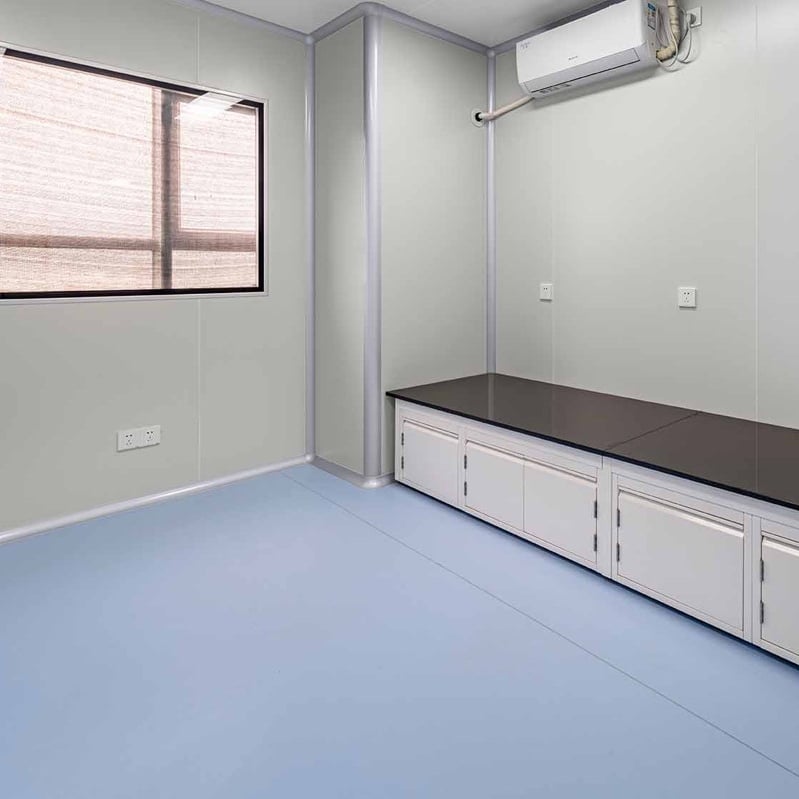
Andiwilson laboratory flooring is specified for research benches, sample preparation rooms, and instrument corridors where chemical spills and routine cleaning are common. Options can include homogeneous sheet vinyl, welded seam systems, and coved skirting, subject to project confirmation. Buyers should review substrate moisture limits, seam welding parameters, chemical resistance documentation, and local safety standards before approval. Sample sheets under laboratory lighting help compare wear layer and joint appearance. This measured process supports a practical specification without universal chemical resistance claims, since performance depends on the specific chemicals, installation quality, and maintenance routines. Confirm suitability against the project chemical list.
Get A Quote

Case Study

Research Bench Area Sheet Vinyl Review

A representative research laboratory project evaluated Andiwilson sheet vinyl flooring for bench areas and adjacent aisles. The team reviewed substrate moisture readings, welded seam parameters, and coved skirting details before ordering. Samples were checked under laboratory lighting against casework and wall finishes. Labeled rolls helped the installer plan cuts by zone and reduce waste. The facility team received care guidance for cleaning agents and seam inspection. No universal chemical resistance guarantee was claimed; outcomes depended on the specific chemical list, welding quality, and maintenance. Inspection points supported handover in a phased lab refurbishment.

Sample Preparation Room Flooring Specification

In a representative sample preparation room, laboratory flooring was considered for spill-prone zones near sinks and balances. The project team confirmed substrate condition, seam welding details, and cleaning protocols before ordering. Samples were compared with bench fronts and wall protection under task lighting. The installer planned work zones to maintain lab access and used labeled materials to reduce cutting errors. The flooring provided a cleanable surface, while separate matting addressed trolley traffic. Care instructions covered cleaning agents and periodic seam checks. No fixed lifespan was claimed; outcomes depended on installation and local standards. Approval records were kept before release.

Instrument Corridor Flooring Evaluation

A representative instrument corridor project considered Andiwilson laboratory flooring for access routes between instrument rooms. The team reviewed substrate flatness, joint tightness, and cleaning protocols before approval. Samples were checked under corridor lighting against door frames and wall panels. The installer coordinated work during low-use hours and used labeled cartons to stage materials. The flooring supported routine cleaning, while separate matting addressed entrance debris. Care guidance covered cleaning agents and joint inspection. No universal slip rating was claimed; outcomes depended on installation quality and maintenance. Approval records and inspection points supported handover.

Related products

Andiwilson laboratory flooring is a resilient flooring option intended for research bench areas, sample preparation rooms, and instrument corridors. Specifications can include homogeneous sheet vinyl, welded seam systems, and coved skirting, subject to project confirmation. Because laboratory environments combine chemical exposure, trolley traffic, and cleaning requirements, buyers should review substrate moisture limits, seam welding parameters, chemical resistance documentation, cleaning protocols, and local safety standards before order release. For export projects, Andiwilson can coordinate flooring samples, dimension drawings, packing details, and care guidance so designers and contractors can compare expectations. Flooring should be installed as part of a complete assembly with proper substrate preparation and welding where specified; the product alone does not guarantee chemical resistance or cleanliness outcomes. Project teams should confirm maintenance routines, cleaning agent compatibility, and accessory needs. In many laboratory fit-outs, staged sample approval and labeled packing help reduce site adjustments, although outcomes depend on substrate conditions and installation quality. This practical approach supports a cleanable, durable floor surface while avoiding unverified performance promises. Sample approval and labeled packing are recommended before shipment. Clear records help align buyers, contractors, and facilities teams during handover.

Frequently Asked Questions

What areas suit laboratory flooring?

It can suit research bench areas, sample preparation rooms, and instrument corridors where chemical spills and routine cleaning are common. Review substrate moisture, seam welding, and the project chemical list first. Local safety standards and cleaning protocols should be confirmed. Installation quality and maintenance matter as much as the product itself.
Ask for samples and compare wear layer, finish, and seam detail under laboratory lighting. Confirm substrate moisture limits and welding parameters. Review chemical resistance documentation against the specific chemicals used. Avoid judging from photos alone. Sample approval records help align buyers and installers before production begins.
No flooring product resists every chemical. Performance depends on the specific chemical, concentration, exposure time, and cleaning routine. Buyers should review resistance documentation against the project chemical list and confirm with the manufacturer. Spills should be cleaned promptly. Local safety standards should be checked before order release.
Follow the supplier’s care guidance for cleaning agents and frequency. Avoid abrasive pads and harsh chemicals that may damage the wear layer. Inspect seams and coved skirting periodically and repair damage promptly. For high-use areas, plan maintenance intervals with facilities staff. Keep a spare-parts and accessories reference for future repairs.
Confirm flooring type, wear layer, roll size, seam accessories, packing method, and labeling against the approved sample and drawings. Request inspection points and care guidance. Clear approval records help align buyers, contractors, and facilities teams. Final acceptance should follow the agreed specification and any required local certification.

Related article

Why Do Architects Prefer Custom Textured Wall Panels for Museum and Gallery Spaces?

23

Sep

Why Do Architects Prefer Custom Textured Wall Panels for Museum and Gallery Spaces?

The Acoustic Problem That Decorative Finishes Alone Cannot Solve Walk into a gallery with hard floors, high ceilings, and bare drywall, and the space tells you something immediately. Footsteps carry. Conversations from three rooms away bleed throug...
View More
Why Should Designers Use Custom Textured Wall Panels for Feature Walls?

07

Oct

Why Should Designers Use Custom Textured Wall Panels for Feature Walls?

A Feature Wall Is a Working Surface, Not a Backdrop Designers often choose a feature wall from a rendering first. A bold texture or metallic finish looks convincing in perspective, then the built wall reveals problems the image never showed: glare fr...
View More
How to Choose the Right High Pressure Laminate Finish for Your Interior Surfaces?

19

Oct

How to Choose the Right High Pressure Laminate Finish for Your Interior Surfaces?

Start With the Wear Layer, Not the Color Card High pressure laminate finish selection often begins with a color card and a visual preference. That sequence is backward. The finish on an HPL surface is a performance layer before it is a decorative lay...
View More
Why Do Luxury Hotels Invest in Custom Artistic Lamps for Their Suites?

26

Oct

Why Do Luxury Hotels Invest in Custom Artistic Lamps for Their Suites?

A Custom Lamp Gives the Suite a Signature Guests Remember Walk into a luxury suite and the lighting is one of the first things the body registers, even before the eye names it. A standard bedside lamp with a stock shade does a job. A custom artistic ...
View More

Buyer Feedback on Andiwilson Laboratory Flooring

Sarah Whitman

Our research laboratory project used Andiwilson sheet vinyl flooring for bench areas and aisles. We reviewed seam samples and chemical resistance documentation against our chemical list before ordering, and labeled rolls helped the installer cut by zone. We confirmed substrate moisture limits and welding parameters with the contractor. The flooring provides a cleanable surface, but we did not treat it as resistant to every chemical. Care guidance covered cleaning agents and seam checks. Clear drawings and packing details reduced site questions. We would repeat the sample approval process.

Michael Chen

For a sample preparation room, we compared two Andiwilson laboratory flooring options for wear layer and seam detail. The supplier provided dimension drawings and care guidance, which helped our contractor confirm substrate moisture limits and sink area detailing. We checked cleaning agent compatibility and coordinated work zones before installation. The flooring supports routine cleaning, but we still rely on prompt spill response and maintenance. Sample approval and labeled packing reduced site confusion. We would request accessory details again for future repairs.

Get a Free Quote

Our representative will contact you soon.
Email
Mobile/WhatsApp
Name
Company Name
Message
0/1000
Cleanable Laboratory Flooring with Practical Planning

Cleanable Laboratory Flooring with Practical Planning

Laboratory flooring can support cleanability in bench areas, preparation rooms, and corridors, but planning should cover substrate moisture, seam welding, chemical resistance documentation, and local standards. Andiwilson supports flooring sample checks, layout drawings, and labeled packing so buyers can compare expectations before order. Flooring should be installed as part of a complete assembly rather than treated as a standalone solution. Confirm maintenance routines and qualified installation. This measured approach helps protect appearance and substrate without relying on exaggerated chemical resistance claims.
Seam and Chemical Exposure Coordination

Seam and Chemical Exposure Coordination

Flooring thickness, wear layer, seam welding method, and accessory profiles influence the final performance of laboratory flooring. Andiwilson encourages buyers to approve samples under laboratory lighting and compare them with casework, wall protection, and door frames. Labeled packing and care references can simplify installation and future maintenance. Because finishes may vary by production batch, approval records matter. Project teams should confirm cleaning methods and seam inspection routines early. This coordination supports a practical result while keeping expectations realistic and documented.
Export Documentation for Laboratory Flooring

Export Documentation for Laboratory Flooring

Export buyers need clear specifications before approving laboratory flooring. Andiwilson can provide flooring samples, dimension drawings, packing details, and care guidance where available. Buyers should confirm roll sizes, seam accessories, and labeling against approved drawings. Inspection points before shipment help reduce site surprises. Local certification and laboratory safety standards remain the buyer’s responsibility. This documentation-focused process supports smoother handover among buyers, contractors, and facilities teams without promising unverified performance or universal compliance.
onlineONLINE